The Musée d’Orsay seeks the rightful owners of Nazi-looted art
The Musée d’Orsay has opened a permanent exhibition space dedicated to paintings likely stolen from Jewish families during World War II.
The new room, located just off a main gallery, asks a singular, difficult question: “To whom do these works belong?”
As NPR reported, the museum is using this space to highlight the ongoing, complex effort to track down the descendants of those who lost their heritage to Nazi pillaging. While tourists primarily visit the Paris institution for its Impressionist masterpieces, the museum now wants them to confront the darker provenance of certain pieces.
The museum currently holds some 2,000 artworks in temporary custody that are suspected to be Nazi-looted. These pieces are held under a special status until their legal owners can be identified.
Organized pillage and the hunt for provenance
The theft was not a series of random acts but a highly organized campaign. Ines Rotermund-Reynard, the head provenance researcher at the Musée d’Orsay, noted that cultural looting began as soon as German forces marched into Paris in June 1940.
The Nazis targeted large Jewish collections, moving directly into apartments to seize art. During the occupation, an estimated 100,000 artworks were spoliated—a term used by the art world to describe the pillaging, confiscation, or sale of art under duress.
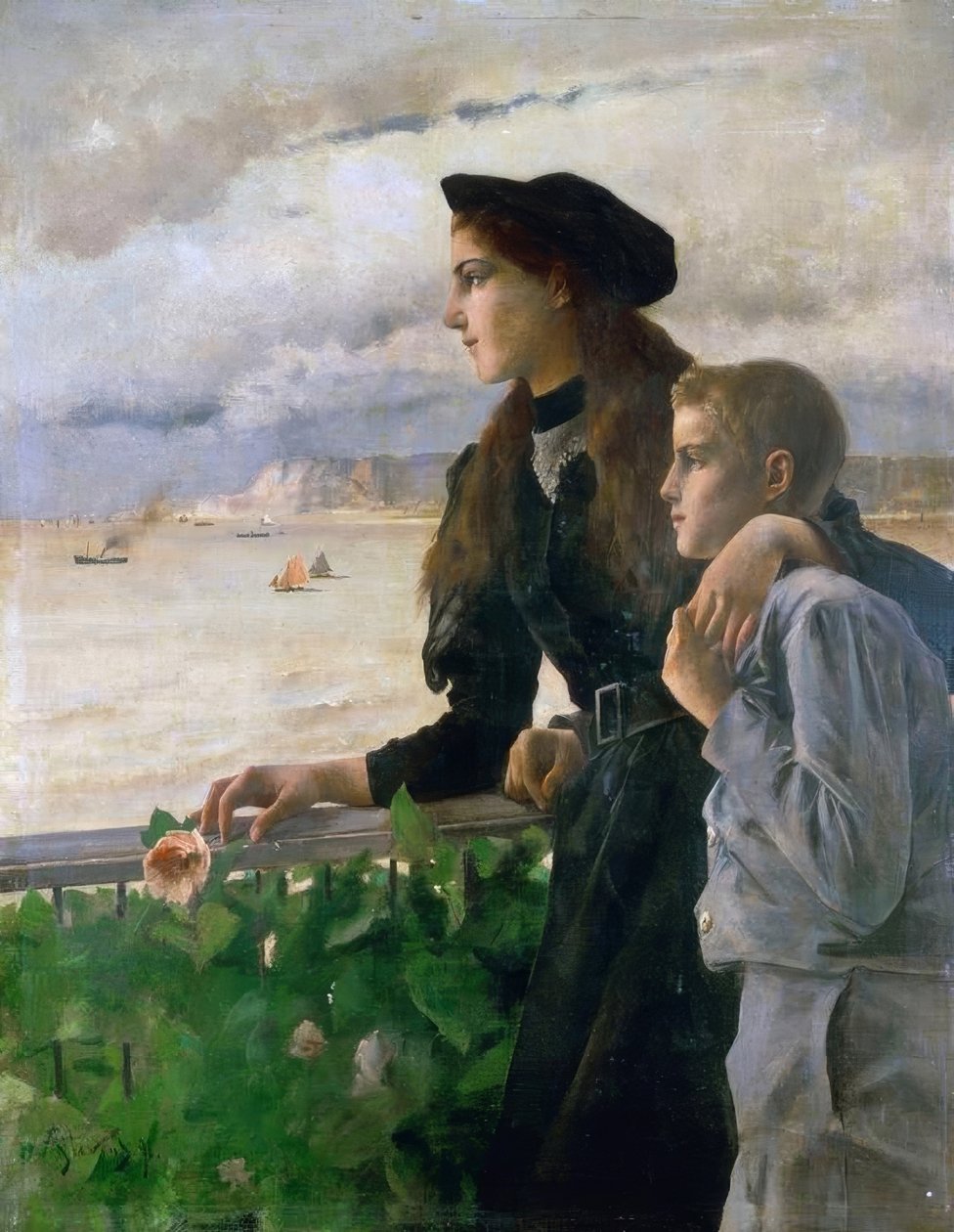
Many of these stolen works were intended for a museum Hitler planned to build in his hometown of Linz, Austria. One such painting, A Brother and Sister Looking Out Over a Beach in Normandy by Belgian artist Alfred Stevens, tells a story of beauty undercut by theft.
The work was sold at a Paris auction in 1939 and again in 1942, when it was acquired for Hitler’s Bavarian Alpine retreat, the Eagle’s Nest.
“The story of the painting, it’s much less beautiful,” Rotermund-Reynard said of the Stevens tableau.
While the painting’s original owner has never been found, the museum now displays it with a QR code that allows visitors to trace its specific history.
A resurgence in restitution efforts
The recovery of stolen art has seen distinct waves of activity over the last century. Following Germany’s defeat, a massive recovery effort was launched, aided by the documentation of thefts by individuals like Rose Valland, a volunteer at the Jeu de Paume museum who kept secret notes on Nazi movements.
The timeline of restitution shows how quickly the world’s focus shifted away from these crimes:
| Period | Status of Restitution Efforts |
|---|---|
| 1950 | Restitution work largely stopped as global attention moved on. |
| 1998 | 44 countries agreed to investigate ownership gaps between 1933 and 1945. |
| Recent Decades | Increased use of digitized archives and reopened wartime files. |
David Zivie, who leads the French government’s mission to return looted cultural property, says the Musée d’Orsay exhibit is part of a broader push to reopen archives with a fresh eye. He acknowledged that while the process is late, work has intensified significantly over the last 20 to 25 years.
The human and economic stakes of ownership
For many, the return of a painting is less about the market value and more about family healing. Pauline de Perignon, who successfully recovered a painting belonging to her great-grandfather, described the restitution ceremony conducted by the French Minister of Culture as a moving experience that united her family.

However, the process is not without its hurdles. Identifying the “last owner” before the war is a massive undertaking because looted works were often sold and resold at auction, which obscured their true origins. This difficulty has changed how the art market operates.
Neal Fiertag, a longtime Paris art dealer, noted that the era of buying art without knowing its wartime provenance is over. He shared an instance where he and a partner walked away from a 16th-century Italian drawing at a London auction because there was an unexplained gap in its history between the 1930s and early 1950s.
The work remains complicated. While France has returned 16 paintings to families in the last 30 years, researchers are using digitized records to bridge the gaps left by decades of silence.
Related reading

Utility Crew Strikes Sunoco Pipeline in Upper Merion Township
Jet fuel spill enters cleanup phase in Upper Merion A 14-inch underground Sunoco pipeline was struck by a...

San Diego Families Struggle With Rising Housing and Grocery Costs
San Diego households face severe cost-of-living pressures San Diego families are struggling to meet basic needs as rising...
Analysts: Wisconsin Republicans Shift Away From Election Denial
Wisconsin candidates shift away from election denial Republican candidates in Wisconsin largely avoided claims of election fraud during...

Burlington High School Students Report Feeling Isolated in New Building
The isolation of 250,000 square feet Forty percent of students at Burlington High School say they feel less...