
A $3.5 million NASA grant will expand astronomy research and education across Idaho, Boise State News reported.
The five-year Science Activation grant aims to turn Idaho’s dark skies into a functional research hub. Led by Boise State Professor Brian Jackson, the initiative will provide resources to teachers and students to study the cosmos from one of the few remaining regions with minimal light pollution.
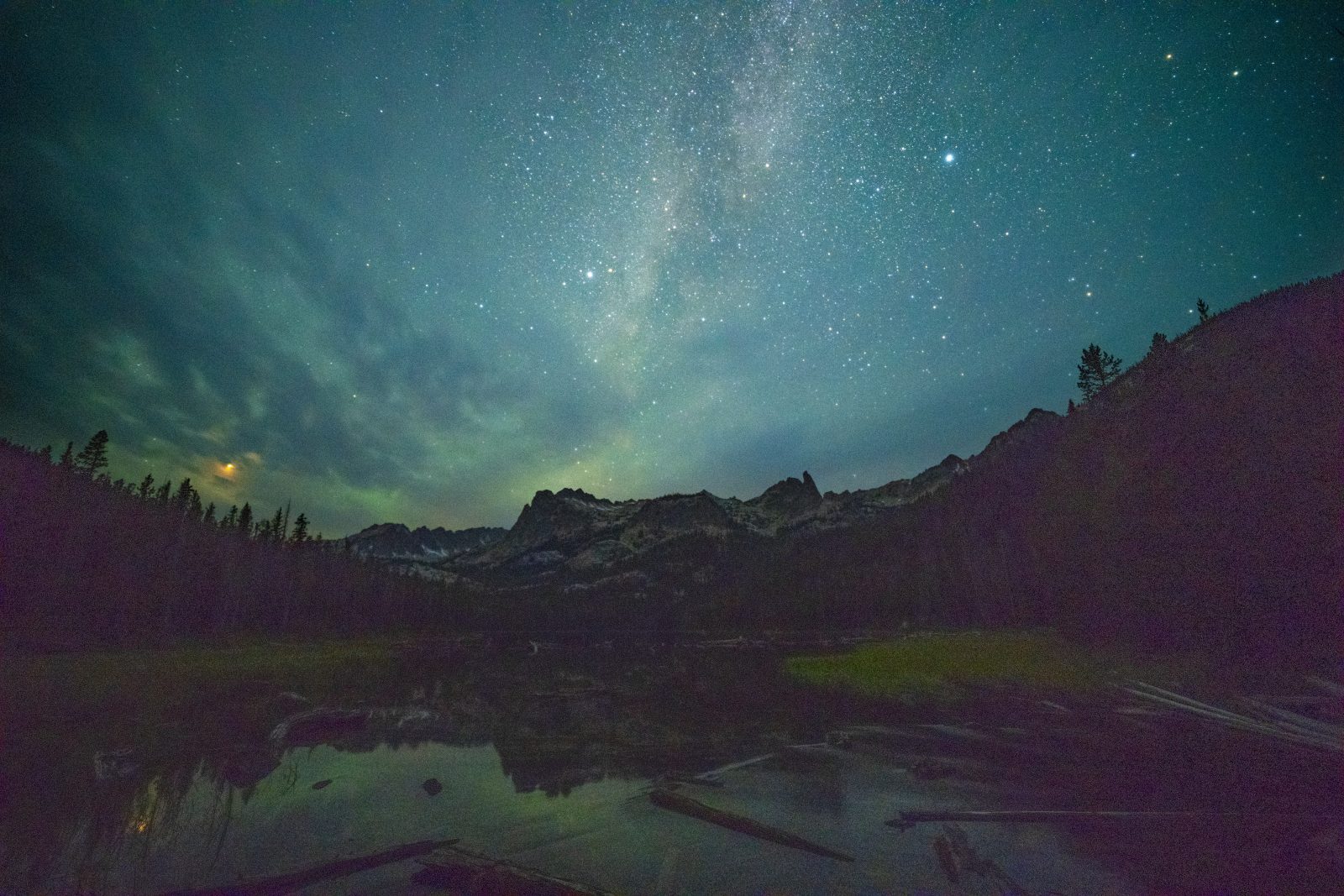
While approximately 80% of Americans have never seen the Milky Way, the low population density in Central Idaho offers a rare window into the universe. On moonless nights in these regions, the dust lanes of our galaxy are visible, and the planet Venus can even cast shadows on the ground.
“The kids really like it. They like what they’re learning, too,” said Chandler Beasley, an astronomy educator who graduated from the program in 2026. “Once we pull up a nebula or a galaxy, they kind of lose their minds.”
A central component of the funding involves the distribution of 150 new robotic telescopes to Idaho teachers. These tools are specifically targeted toward educators in rural areas where dark skies provide the best conditions for observation.
This effort builds on a smaller 2023 initiative where the Department of Physics and Astronomy distributed 50 telescopes to local teachers, Boise State News reported. The new scale of the project integrates classroom learning with active scientific contribution.
Under the coordination of a grant-funded post-doctoral research position at Boise State, these telescopes will serve a dual purpose. They will function as educational tools for students and as instruments for monitoring small objects in our solar system, such as asteroids, comets, and dwarf planets.
The program is designed so that teachers act as citizen scientists. They will collect data under Idaho’s dark skies, while the Boise State team provides lesson plans that incorporate this real-world research into the state-required science curriculum.
“Citizen or participatory science projects supported by NASA give students and amateur researchers an opportunity to contribute to active research projects,” Jackson said.
These projects can range from mapping clouds on Mars to identifying exoplanets orbiting distant stars. The ability to detect these subtle astronomical phenomena depends heavily on the quality of the night sky. Light pollution can wash out the faint dimming of an exoplanet passing over its host star or the subtle glow of a distant comet.
To extend the reach of this research beyond the classroom, the grant supports an astronomer-in-residence. This individual will live in the Central Idaho Dark Sky Reserve for several weeks each year to lead stargazing events and give public talks.
The role is intended to mirror an artist-in-residence, focusing on community engagement and supporting efforts to measure light pollution within the reserve. This coincides with broader outreach efforts, including the Astro Adventures Camp and the AstroTAC student outreach team.
Light pollution remains a growing global issue, yet it is a form of environmental impact that is uniquely manageable.
“Light pollution is one of the easiest forms of pollution to deal with,” Jackson said. “You flick the light switch, and it’s gone.”
As urban sprawl continues to affect visibility across the country, Idaho’s dark regions represent a critical scientific asset. The initiative seeks to ensure that both professional astronomers and the next generation of students can continue to utilize these skies for discovery.

Nebraska For Us Receives Hundreds of Items for Omaha Veterans
Nebraska For Us received hundreds of items during a Veterans Day donation drive intended for the Omaha VA...

Billings Sees Record 2.8 Million Visitors as Tourism Spending Hits $703 Million
Billings welcomed a record 2.8 million visitors this year, driving tourism spending to a new high of $703...

Wisconsin vs. Maryland: How to Watch, Weather, Injuries and Odds
Wisconsin travels to Maryland to face the Terrapins on Saturday, November 14, at 11 a.m. CT. Fans can...

Measles Case Confirmed in Polk County: Potential Exposure Locations in Ankeny and Des Moines Identified
Polk County health officials confirmed a new case of measles in a child on Wednesday, Nov. 11, according...