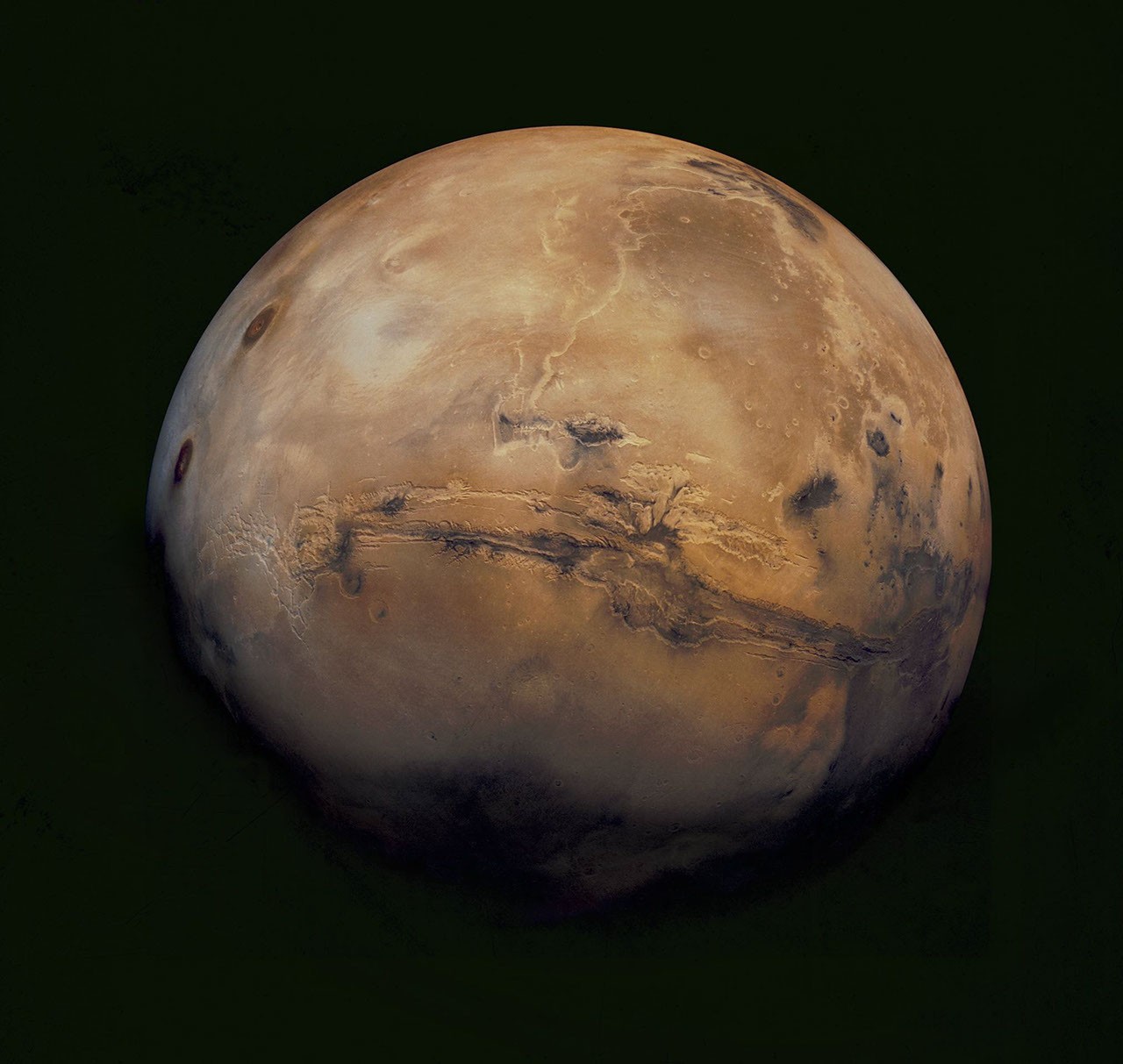
NASA paused science operations on the Perseverance rover and the Mars Odyssey orbiter after both spacecraft developed separate hardware faults within days of each other in late October and early November 2026.
- Odyssey entered safe mode Nov. 4–6 after a reaction wheel stopped spinning; it had already lost one wheel in 2013.
- Both missions are stable and communicating with Earth, but science data and raw images are on hold.
- NASA targets a return to science and relay operations for both spacecraft by the last week of November.
Perseverance: Two Radios, One Silent Heartbeat
The trouble began on Oct. 30 when Perseverance powered up for the day and its primary ultra-high-frequency (UHF) radio failed to send the routine “heartbeat” pings to the rover’s main computer. Flight software counts each ping; after 25 consecutive misses — roughly 100 seconds of silence — the computer automatically switched to the backup UHF radio and placed the rover into safe mode, shutting down non-essential systems.
Engineers recovered Perseverance from safe mode, but diagnostic data revealed a second fault: the backup radio was transmitting at only about half its expected power output. The team has since stopped using both UHF radios until the causes are understood and one or both can safely return to service.
The rover’s main computer continually listens for that ping. Every time it hears the ping, it resets a counter. However, if the radio stops sending the heartbeat due to a fault, after a certain number of missing heartbeats in a row, the computer swaps to the redundant one.
Steven Lee, Perseverance project manager at NASA’s Jet Propulsion Laboratory
For now, Perseverance is communicating directly with NASA’s Deep Space Network via X-band over its high-gain antenna. The mission website has not posted new raw images since Nov. 7.
The anomaly occurred 19 days after Perseverance broke the off-Earth driving record set by NASA’s Opportunity rover, which stood at 28.06 miles, or 45.16 kilometers. Perseverance passed that mark on Oct. 11.
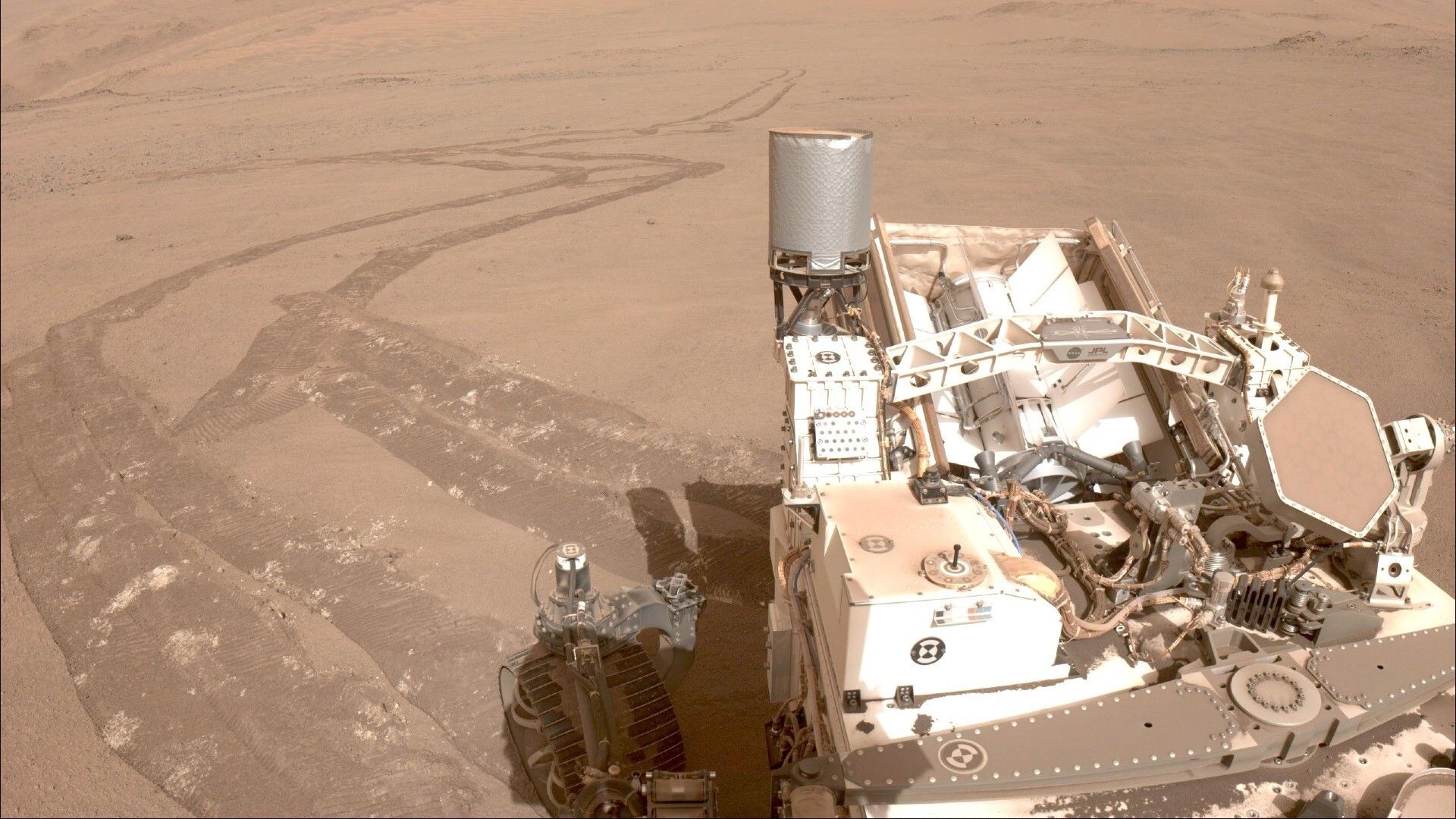
Perseverance has been exploring Jezero Crater and collecting samples since 2021.
Odyssey: A Wheel Stops, Fuel Clock Starts
While Perseverance’s radio issues unfolded on the surface, the 2001 Mars Odyssey orbiter suffered a reaction-wheel failure. Between Nov. 4 and Nov. 6, one of its four reaction wheels stopped spinning, triggering safe mode. Engineers brought the orbiter out of safe mode by Nov. 6 and, during testing, managed to command the stalled wheel to move slightly, though it remains unclear whether it can be fully recovered.
Odyssey needs three functioning wheels to maintain orientation without burning fuel. One wheel already failed in 2013, leaving the current set with no margin. If the latest wheel cannot be restored, the orbiter must rely on hydrazine thrusters for attitude control. After 25 years in orbit, engineers estimate the remaining hydrazine would last only one to two months.
Trouble at Mars: NASA's Perseverance rover, Odyssey orbiter halt science work due to glitches https://t.co/27p5RvIVTY
Odyssey launched in April 2001 and entered Mars orbit in October 2001 for a mission designed to last just over 2.5 years.
Engineers at NASA’s Jet Propulsion Laboratory and Lockheed Martin, the company that built and operates the spacecraft, are continuing their tests on the reaction wheel.
Why the Timing Matters for the Relay Network
The two faults are unrelated, but they compound each other’s impact on NASA’s Mars Relay Network. Odyssey is a primary relay for surface missions; with its instruments offline, it cannot forward rover data.
Simultaneously, Perseverance’s UHF radios — the very links it would use to send data to Odyssey and other orbiters — are sidelined. The rover’s direct X-band link to Earth cannot handle the volume of science data and high-resolution images the mission routinely produces.
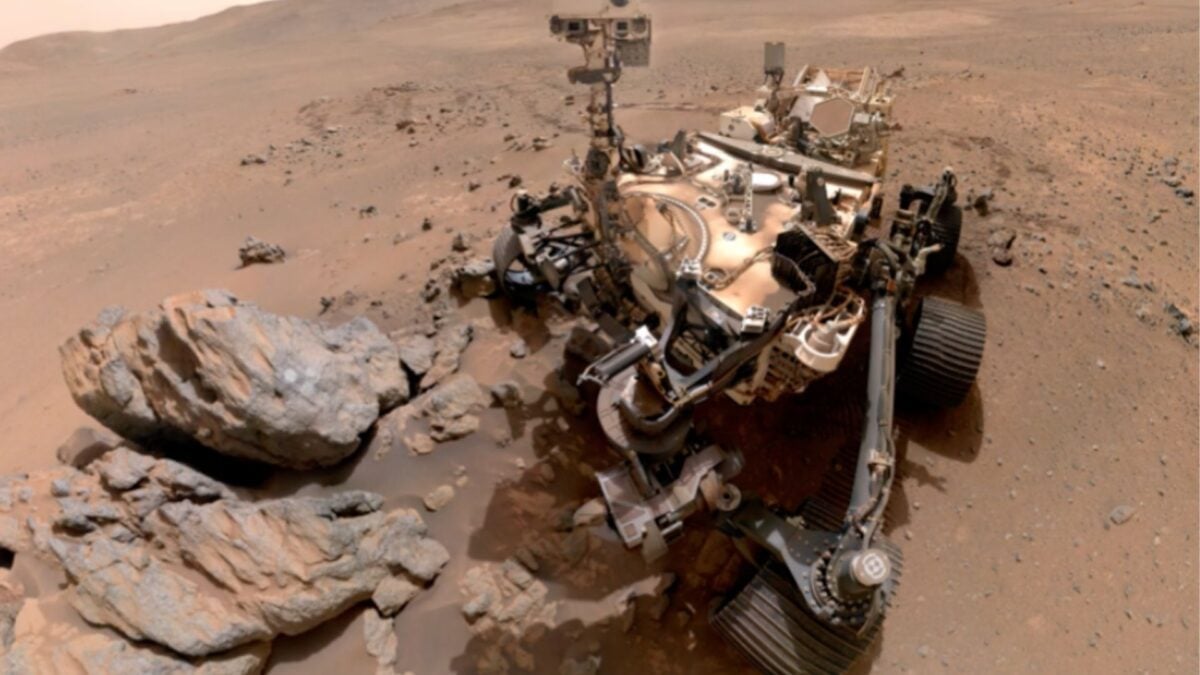
Odyssey's surface maps have helped identify hazards at landing sites, spot locations of scientific interest for landers and rovers to explore, and map water molecules in the top 3 feet (1 meter) of the surface, including buried ice that could be useful to the first astronauts on Mars.
The spacecraft has also been an essential part of NASA’s Mars Relay Network, sending back data from NASA’s surface missions that includes the first post-landing images from the Phoenix lander and the Spirit, Opportunity, and Curiosity rovers.
NASA’s Perseverance, Odyssey Teams Investigate Technical Issues – NASA Science https://t.co/QwVhCEix05
NASA’s update treats the issues as separate, but the agency’s goal is to return both spacecraft to science and relay operations during the last week of November, once Odyssey’s wheel tests conclude and Perseverance’s radio diagnostics advance.
Odyssey Wheel Test Shows Movement, Recovery Uncertain
During one of the tests, the reaction wheel moved in response to a command, NASA officials wrote in Thursday’s update. Further testing is being conducted to confirm whether the wheel is recoverable.
Odyssey has been out of safe mode for two weeks but still has not resumed its science or data-relay work, according to NASA’s Thursday update.
Perseverance Radio Diagnostics Focus on Backup Unit First
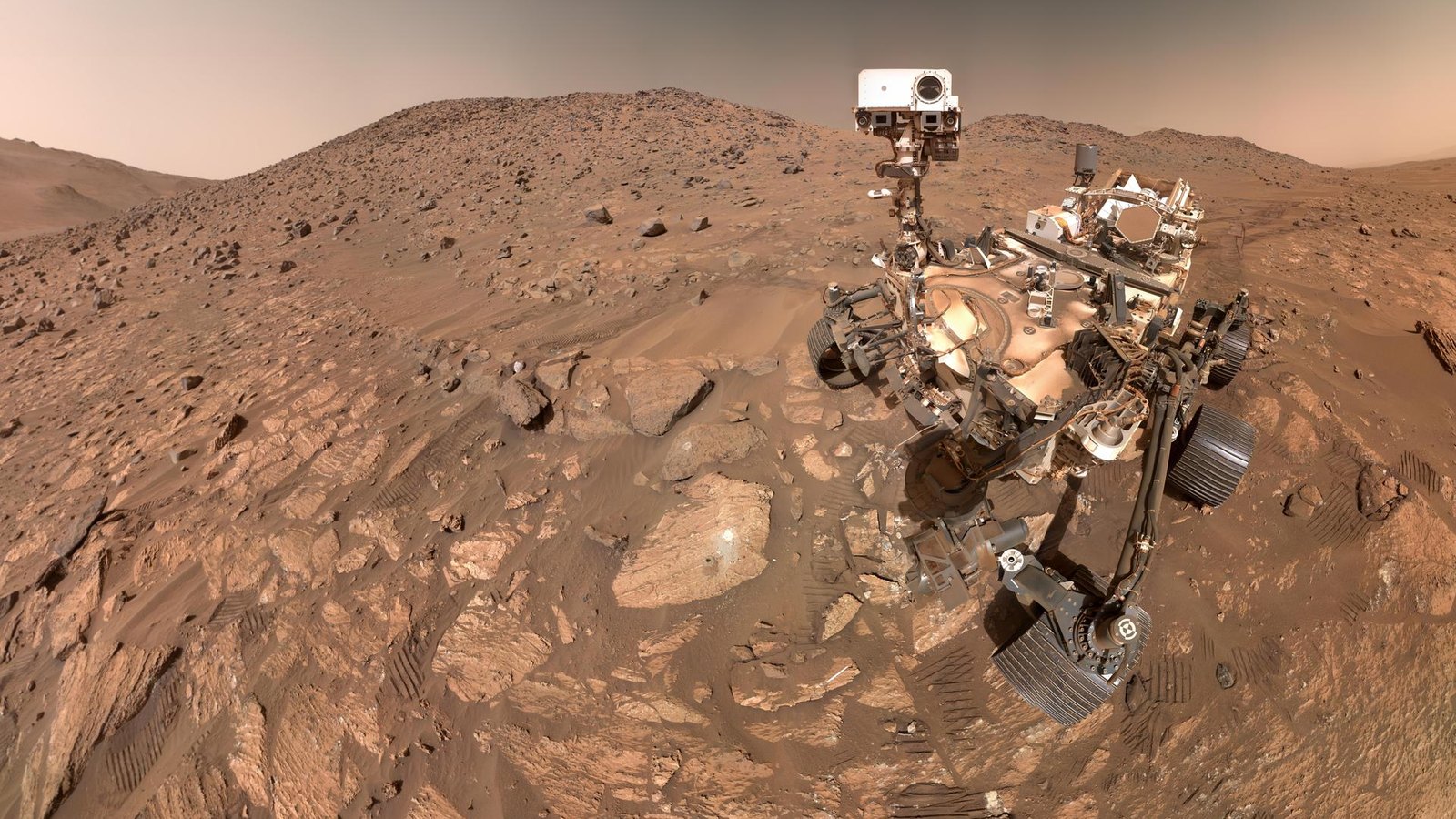
The JPL team is first checking whether the backup radio transmitter can be safely returned to operation and will only then turn its attention to the primary one, according to a mission disclosure. NASA hopes to return the rover to scientific exploration by the end of November.
With Perseverance’s UHF radios out of use, the rover is not using any relay orbiter for now, a mission update noted. The rover is alive and talking but travelling light on data, relying on its direct X-band link to Earth for the limited bandwidth needed to send diagnostic telemetry.
What Remains Unresolved
The root cause of Perseverance’s primary radio silence and the backup radio’s reduced power output is still under investigation.
For Odyssey, engineers do not yet know whether the reaction wheel can be reliably recovered or whether the mission will transition to thruster-only orientation, which would effectively start a countdown on the orbiter’s remaining life. NASA has not committed to a firm date for either spacecraft’s return to full operations, only a target window.
Related reading

SP, Congress Open UP Seat-Sharing Talks; Congress Submits 130-Seat List
Samajwadi Party and Congress leaders opened formal seat-sharing talks for the 2027 Uttar Pradesh Assembly elections on Monday...

AdAPT-001 Plus Checkpoint Inhibitor Shows Responses in 6 of 8 Refractory Angiosarcoma Patients, Median PFS 13 Months
An oncolytic virus engineered to block TGF‑beta, given with a checkpoint inhibitor, produced responses in six of eight...

Indonesia Pushes Digital Trust as Foundation for Safer ASEAN Ecosystem
Indonesia's Communications and Digital Affairs Ministry called for digital trust as the foundation of a safer ASEAN digital...

Ladybird Browser Reaches Alpha With Public Downloads for macOS and Linux
Ladybird, an independent browser built around a brand-new rendering engine, reached alpha on Monday with public downloads for...