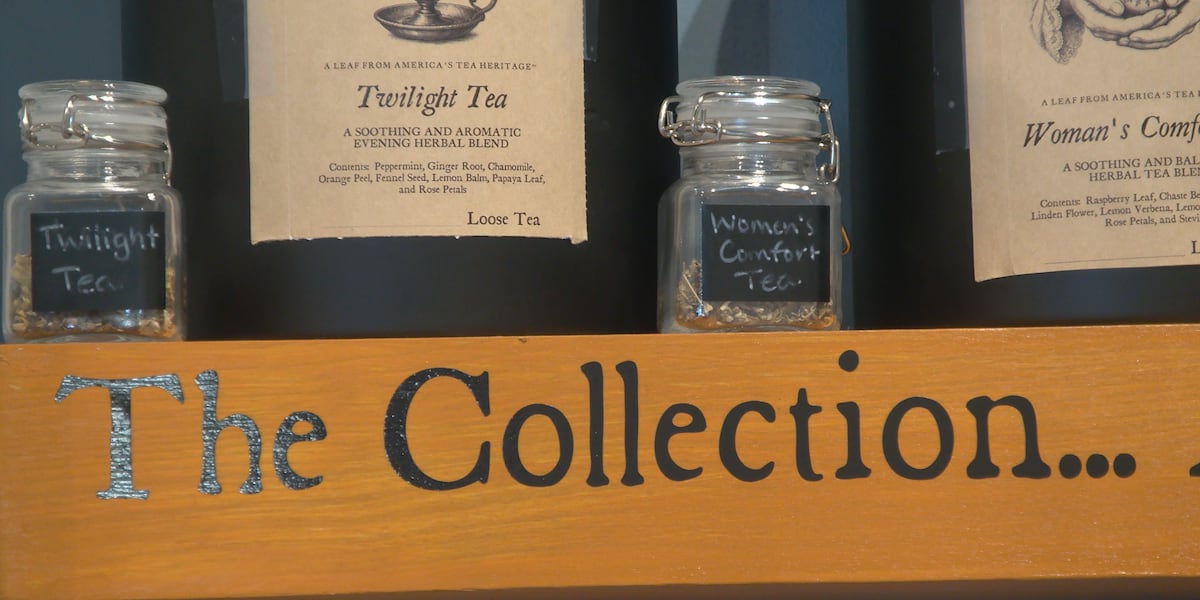
As the nation prepares for Veterans Day, Charleston is seeing an increase in local economic activity.
The U.S. National Veterans Small Business Week begins Monday, marking the 13th annual event organized by the Small Business Administration to honor Veterans Day by highlighting approximately 1.6 million businesses owned by veterans. While National Veterans Small Business Week runs through Nov. 13, the focus in South Carolina is sharpening on how military training translates directly into the rigors of entrepreneurship.
According to WCSC, Charleston’s deep-rooted military culture makes the city a natural epicenter for this year’s theme, “Honoring Veteran-Owned, American Made.” Local leaders suggest that the support for these shops is not merely a gesture of gratitude, but a recognition of the operational discipline veterans bring to the local economy.
Kevin Sheilley, president and CEO of the Charleston Metro Chamber of Commerce, emphasizes that the community’s connection to the armed forces provides a unique environment for these entrepreneurs to thrive. “We want people to support small businesses generally.
But I think for our veteran-owned small businesses, why do we want them here? Why is that so important? We understand in this community, maybe more so than most, how important their service has been and we want to continue to honor that,” Sheilley noted.
From Air Force Pilot to Local Merchant
For many veterans, the transition from service to storefront is less of a pivot and more of an evolution of the same core competencies. Darren Hartford, a 28-year veteran and former Air Force pilot, runs the Oliver Pluff & Company Tea Shop in downtown Charleston. He views the challenges of retail through the lens of mission command.
“There are unknowns all the time. There are things thrown at you left and right and just being a small business owner is about solving problems,” Hartford explained. He argues that the ability to set a clear objective and maintain a positive attitude under pressure—traits honed in the cockpit—are the exact tools needed to manage modern market unpredictability.
Through every single tin of coffee or tea, his storefront shares tales from Lowcountry history, the Old Exchange, and the Charleston Tea Party. Hartford believes that keeping these businesses local is about more than just revenue; it is about preserving the narrative fabric of the community. By buying veteran-made products, he suggests, residents keep dollars local and keep vital stories alive.
Resources for the Next Wave
While the current week serves as a high-profile celebration, the infrastructure supporting these businesses operates year-round. The U.S. Small Business Administration provides a national framework for these efforts, connecting entrepreneurs with programs like Boots to Business and regional support networks. These initiatives help veterans refine their business plans, master marketing strategies, and manage government contracting requirements.
To assist veterans aiming to launch their own enterprises, the Charleston Metro Chamber of Commerce works alongside The Citadel’s veteran business opportunity center in connecting them with necessary startup tools.
To lower the barrier to entry for aspiring entrepreneurs, the chamber is also launching a program called the Kauffman fast track that is free and 10 weeks long. Launching in January, the program welcomes participants who are preparing to establish and launch a new small business.
Despite these support systems, the economic reality for veteran-owned small businesses is complex. The sector faces the same volatility as any other small business segment, including inflationary pressures and shifting consumer habits. While programs like the Veterans Business Outreach Center offer critical guidance, the ultimate success of these ventures often hinges on the local community’s willingness to sustain support well beyond the conclusion of a designated awareness week.
As National Veterans Small Business Week runs through Nov. 13, the spotlight remains on these storefronts. Whether these specialized support programs can scale to match the ambitions of a new generation of veterans leaving service is unknown, as is the long-term impact of these local partnerships on Charleston’s economy.
Keep reading

Asian Markets Rebound After US Midterm Election Tech Rout
Asian stock markets climbed on Monday, recovering ground lost during a volatile tech sell-off triggered by the Democratic...

Laramie Startup EcosAtlas Aims to Streamline U.S. Manufacturing Reshoring
Laramie-based startup EcosAtlas is targeting the systemic fragmentation of domestic supply chains to streamline the "reshoring" of U.S....
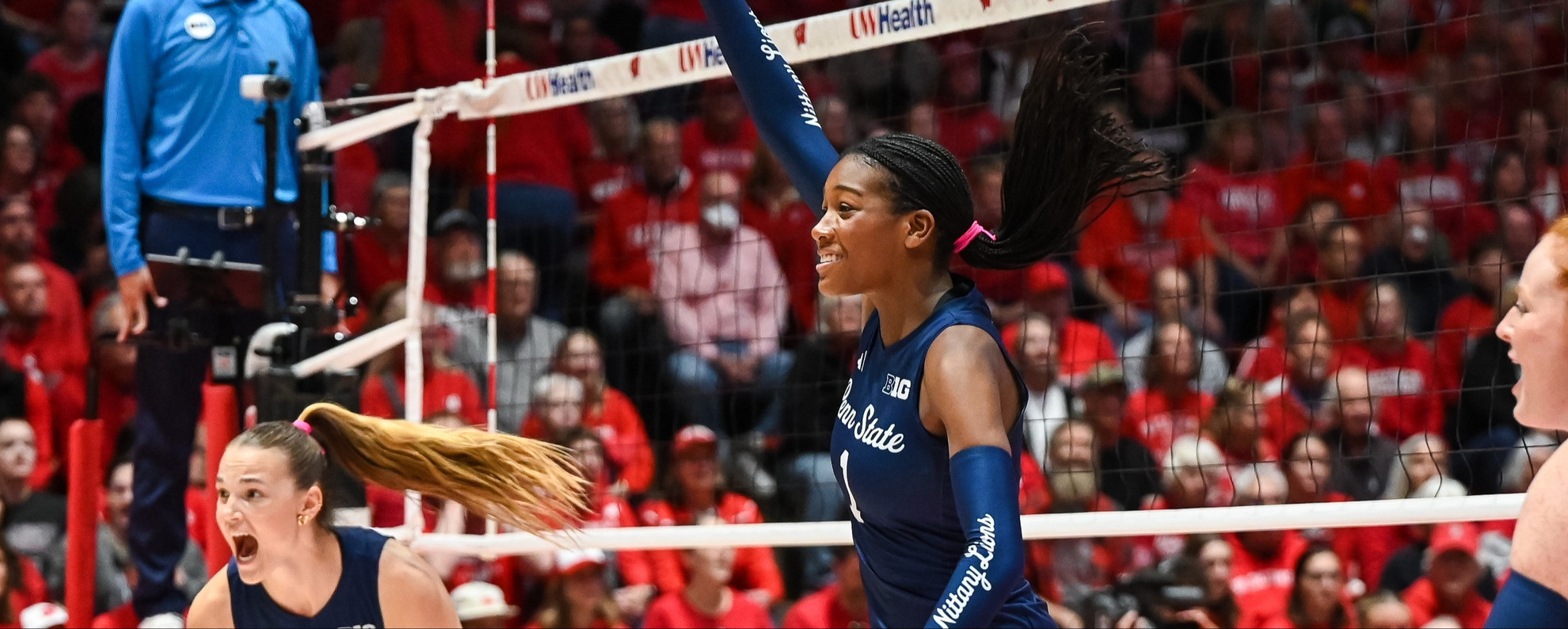
No. 11 Penn State Beats No. 7 Wisconsin 3-2 in Five-Set Thriller
No. 11 Penn State women’s volleyball defeated No. 7 Wisconsin 3-2 in Madison on Sunday, securing its first...

Team Managers Meet in Olympia for IFMA Youth World Championships 2026
The flame still burns in Olympia, though this November it carries a different kind of fire. As the...