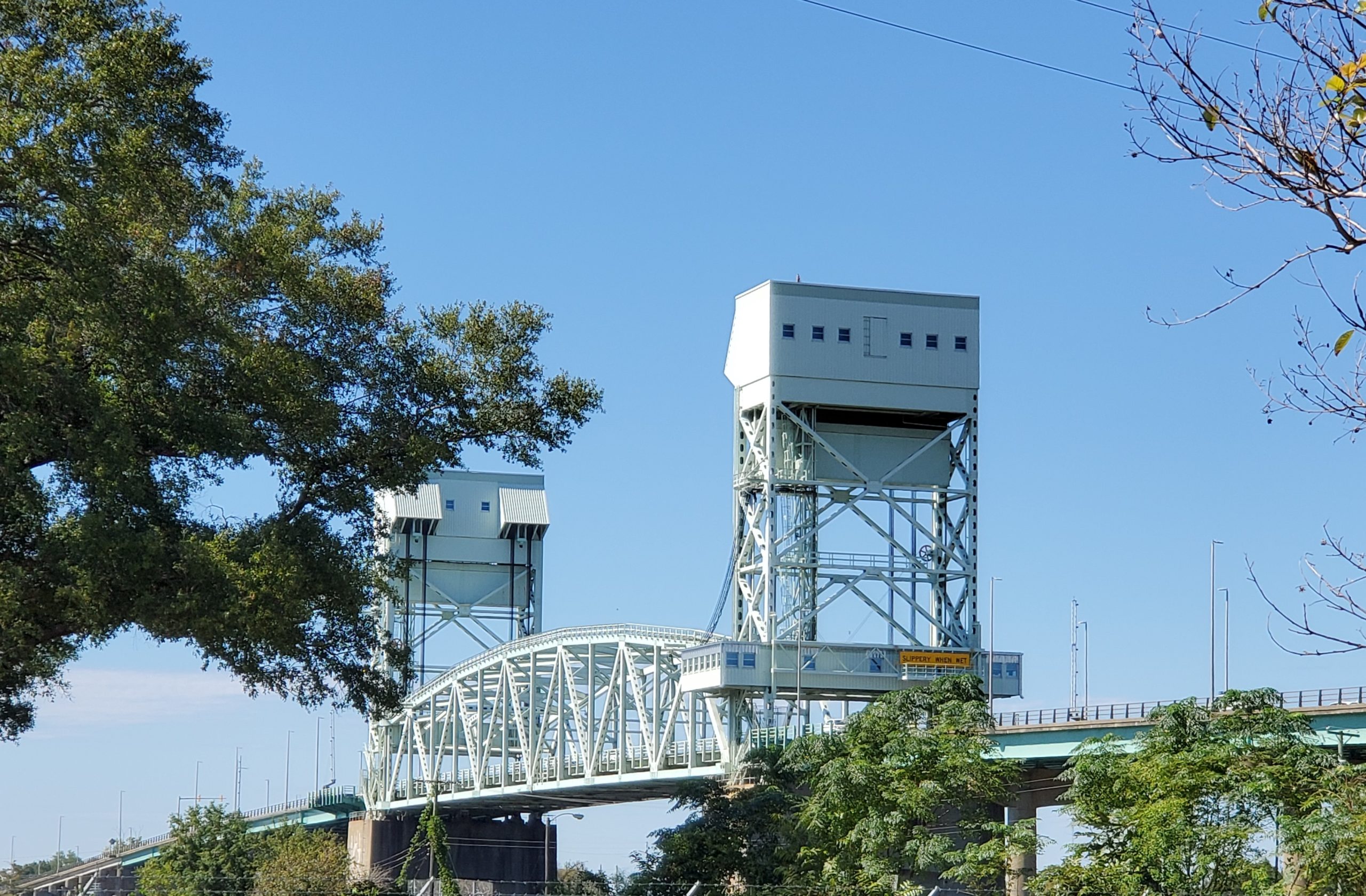
A New Path for the Cape Fear Memorial Bridge
After mounting public pressure and intense scrutiny from local stakeholders, the North Carolina Department of Transportation (NCDOT) has officially pulled the plug on its original design for the 135-foot fixed-span replacement of the Cape Fear Memorial Bridge. The move, announced Wednesday by NCDOT Division 3 Engineer Trevor Caroll, marks a significant retreat for the agency, which is now pivoting to a modified design intended to soften the project’s footprint on downtown Wilmington.
The revised plan introduces a corkscrew ramp along the river, a design adjustment that shifts the bridge’s terminus from Fifth Avenue to Third Street. As reported by Port City Daily, the agency is now opening a fresh public comment period on this updated configuration.
The Calculus of Concrete and Cash
The stakes here are as much about the city’s long-term economic health as they are about transit logistics. The original 135-foot span was projected to impact 63 parcels, necessitating the relocation of two homes and two businesses. By rerouting the flow of traffic toward Third Street, the NCDOT estimates that the impact to private property will drop to 17 parcels. The updated design carries a price tag of $1.02 billion, shaving a modest amount off the original $1.03 billion estimate.

Yet, the fundamental tension remains: the project is currently racing against a ticking federal clock. With $242 million in federal grant funding on the line, the NCDOT is under immense pressure to obligate those funds by September 2027. While the agency maintains that this latest design modification will not disrupt the overall timeline—with a final alternative selection expected in early 2027—the path to construction is far from clear.
“We received over 1,800 comments for this project in this previous open period. This modification should really show everyone how serious we are about those public comments and that they matter. What we have done is minimize a lot of those concerns,” said NCDOT Division 3 Engineer Trevor Caroll during Wednesday’s press conference.
The Toll Road Obstacle
Beyond the engineering challenges, the project faces a legislative hurdle that could prove more difficult to clear than the river itself. The NCDOT has long operated under the assumption that the new bridge constitutes a “new facility,” which would allow it to be tolled under state law. However, the question of whether this is merely a replacement for an existing route has created a legal gray area.
NCDOT Division 3 presented a revised alternative for the Cape Fear Memorial Bridge replacement project to minimize impacts to downtown Wilmington based on public feedback. Learn more on the project webpage: https://t.co/Hr4yM4uKXJ pic.twitter.com/V9wqyF7c5U
State law currently permits the tolling of new roadways, but the North Carolina General Assembly will likely need to pass specific authorization in February to ensure the project stays on track. Without that legislative green light, the funding model collapses. An un-tolled bridge has failed to score high enough in the NCDOT’s State Transportation Improvement Program to qualify for the necessary $85 million in state funding. Should the legislature balk at approving a toll on what many view as an existing, essential artery, the NCDOT has yet to articulate a “Plan B.”
Wilmington Leaders Propose Alternative Bridge Designs
The city of Wilmington has not been a passive observer in this process. Local leaders and consultants have previously proposed alternative designs, including side-by-side lift bridges or a bascule bridge similar to the Isabel Holmes Bridge. However, the NCDOT has largely sidelined these proposals, citing the strict federal grant timeline as a reason for staying the course with their current two-alternative selection process.

For those interested in weighing in, the window is narrow. The NCDOT has confirmed there will be no in-person public hearings, leaving the online portal and mail-in submissions as the only avenues for feedback. Comments are being accepted through December 4. Whether this modified design will be enough to satisfy a skeptical public—and whether the state legislature will ultimately provide the political cover needed to fund it—remains the central uncertainty of a project that continues to loom over the future of Wilmington’s waterfront.

Jefferson City Police arrest man after Tuesday standoff
SWAT Team Deploys PepperBall Rounds to End Standoff in Jefferson City A 40-year-old man was taken into custody...

Minneapolis Lakers and Detroit Pistons 1957 Box Score
The Minneapolis Lakers and Detroit Pistons Matchup of November 15, 1957 On November 15, 1957, the Minneapolis Lakers...

Detroit’s Historic Michigan Cut Flower Exchange Building Preserves Legacy
A Century of Continuity on Randolph Street Detroit’s historic building at 1452–1458 Randolph Street remains a vital hub...

Love Is Blind Season 11 Finale: One Couple Married, Others Split in Boston
The Boston Pods Close: Who Made It and Who Walked Away The "Love Is Blind" experiment in Boston...