
The Nebraska Football Collapse and the Cost of Indifference
Pain, misery, and suffering have become the recurring themes of a Nebraska football season that many fans now view with a sense of hollow numbness. Following a 24-13 loss to Illinois at Gies Memorial Stadium on Friday, Nov. 6, 2026, the reality of the program’s current trajectory is no longer a matter of speculation. The Huskers have now dropped four consecutive games, leaving a projected six-win bowl eligibility in serious jeopardy with two formidable, top-25 opponents still looming on the schedule.
Alex Berry, writing for The Daily Nebraskan, notes that the atmosphere surrounding the program has shifted from passionate frustration to a concerning apathy. For a fanbase once defined by its relentless, sold-out loyalty, the loss in Champaign felt like just another Saturday. The stakes here are not merely about a win-loss record; they represent a fundamental erosion of the “buzz” that has historically sustained the Nebraska program’s economic and cultural footprint in Lincoln.
Discipline and the Mechanics of Failure
The loss to Illinois was not a fluke of bad luck, but a clinical display of systemic errors. Nebraska was hampered by 11 penalties totaling 82 yards—a figure that serves as a statistical indictment of the team’s internal discipline. These were not aggressive, high-effort mistakes; they were fundamental lapses, including illegal formations and shifts that negated promising drives early in the contest.
The special teams unit, which has been a lightning rod for criticism all season, provided the most jarring sequence of the night. After senior kicker John Hohl went 0-for-2 on field goal attempts, the coaching staff faced a critical breakdown on a fake field goal attempt by Illinois. The Fighting Illini punter exploited the gap, rushing 29 yards to the Nebraska 2-yard line. This single play effectively drained the remaining energy from the Huskers’ sideline, leading to a 14-7 deficit that the team never recovered from.
A Defense Exposed on Third Down
Perhaps the most startling development was the failure of the Nebraska defense, which entered the game ranked as the nation’s top third-down unit, holding opponents to a 21.4% conversion rate. Against Illinois, that defensive wall crumbled. The Fighting Illini converted 8-of-15 third downs, often in long-yardage situations. By attacking the middle of the field and consistently finding soft spots in the coverage, the Illinois offense systematically dismantled a unit that had been the team’s primary anchor throughout the season.
While the offense generated 426 yards of total offense, the output remained inefficient. A critical fourth-and-1 opportunity near the red zone resulted in a failed pass play—a decision that has prompted renewed scrutiny regarding the coaching staff’s play-calling philosophy. Junior receiver Jacory Barney Jr., one of the offense’s few bright spots, offered a candid assessment after the game.
I don’t even know. Hopefully the answers are in the tape, but I feel like (Illinois) just made more plays than us today.
The Road Ahead and the Question of Change
The path forward offers little room for error. The team is scheduled to travel to Piscataway on Saturday, Nov. 14, to face a Rutgers squad that, despite its own struggles, now represents a significant threat to a Nebraska team currently in freefall. With four straight losses, the margin for error has evaporated, and the pressure on the program to demonstrate tangible, on-field adjustments is reaching a critical threshold.
The broader question remains: at what point does the current cycle of “pain, misery and suffering” force a structural reckoning? Nebraska’s leadership has yet to provide a roadmap for reversing these trends, and as the season nears its conclusion, the silence from the decision-makers is becoming as loud as the mounting losses. Whether these issues are addressed in the film room or require more drastic interventions remains the central, unanswered question for a program that is quickly running out of time to salvage its season.
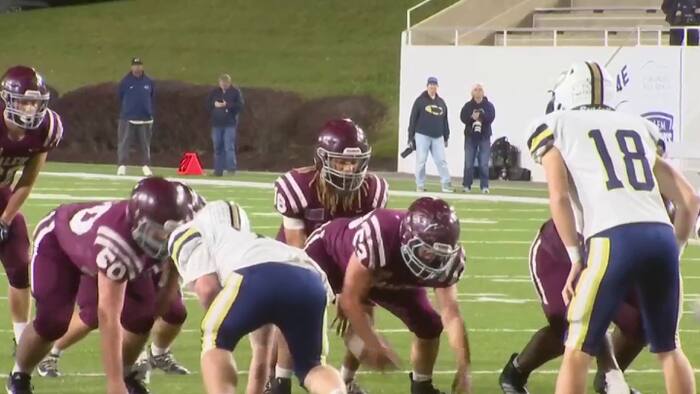
Salem Dominates Christiansburg 63-6 to Secure No. 5 Region 4D Seed
Salem secures No. 5 seed after 63-6 rout of Christiansburg The Salem Spartans concluded their regular season with...

Oklahoma City Pastor Elmer Baca Flores Convicted of Human Trafficking
“I appreciate the amazing work by our Human Trafficking Unit and the Oklahoma County District Attorney’s Office in...
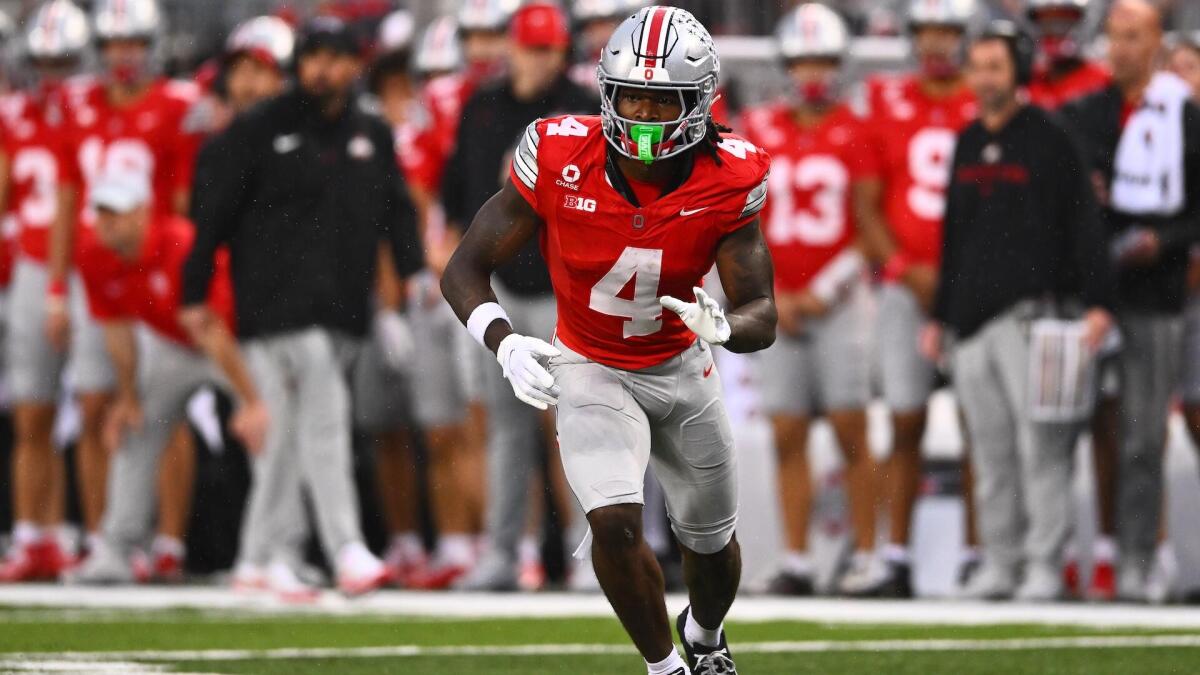
Ohio State faces Oregon as both teams fight to salvage seasons
No. 23 Oregon travels to face No. 12 Ohio State this Saturday at 3:30 p.m. ET, with both...

Allison Cooke Argues New York Food Bill Will Raise Grocery Costs
The $620 Grocery Bill: Why New York’s Latest Food Proposal Faces Veto Demands New York’s long-standing identity as...