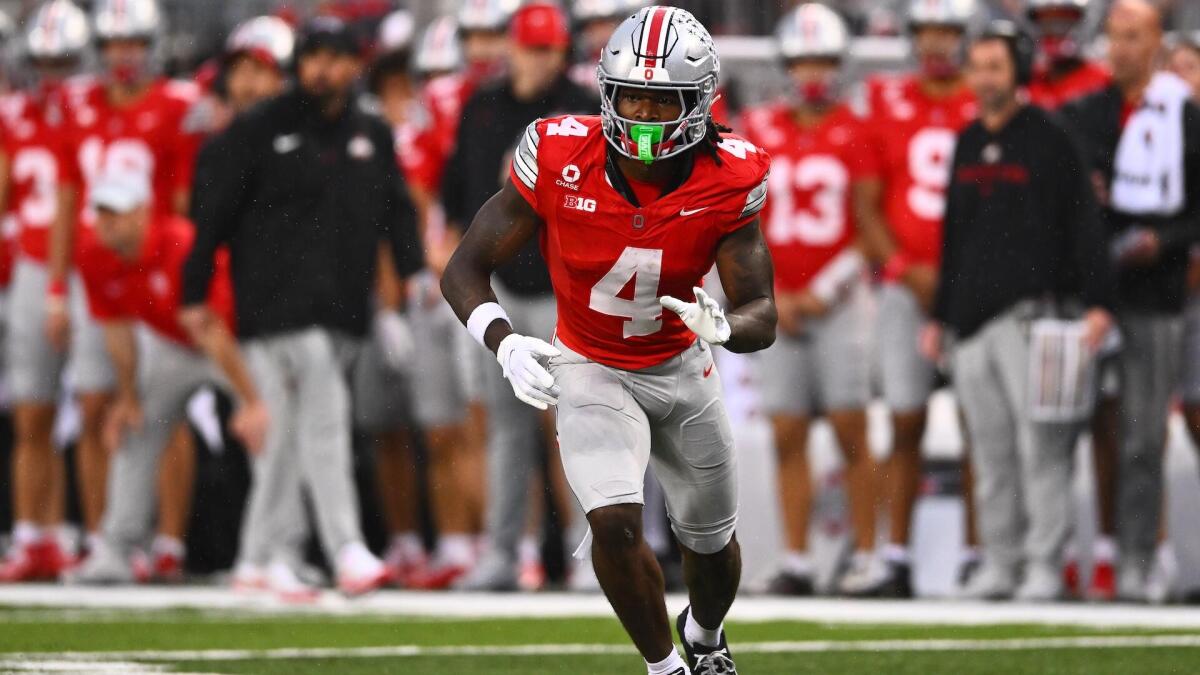
No. 23 Oregon travels to face No. 12 Ohio State this Saturday at 3:30 p.m. ET, with both programs fighting to keep their seasons from collapsing. CBS Sports reports that while the matchup was originally circled as a potential College Football Playoff bye-week decider, it now serves as a desperation game for two teams reeling from the loss of their starting quarterbacks.
The Stakes at Ohio Stadium
The upcoming clash in Columbus carries immense weight for two storied programs currently sitting at a crossroads. For Ohio State, ranked No. 12, the game represents a final stand to remain inside the 12-team playoff bracket. Following a 30-18 road loss to USC last week, the Buckeyes find themselves on the wrong side of the bubble. Meanwhile, Oregon arrives with a 5-3 record, their own playoff aspirations long extinguished, looking to salvage a season that has been defined by inconsistency and a mid-year leadership change.
Ohio State’s Red-Zone Struggle
The primary hurdle for the Buckeyes remains their inability to convert sustained drives into touchdowns. Despite recording their best rushing performance of the Big Ten season against USC—averaging 4.74 yards per carry—the team consistently stalled when nearing the goal line. CBS Sports notes that Ohio State managed only 13 points on four red-zone trips against USC, a trend that mirrors their earlier struggles against Indiana.
For backup quarterback Luke Fahey, who enters his first home start, the pressure is mounting. The offense moved the ball effectively between the 20-yard lines, but the lack of efficiency in the “compressed field” has become the defining flaw of their campaign. If Fahey cannot find the end zone against the Ducks, the Buckeyes risk losing control of their remaining postseason path.
#23 Oregon (5-3) @ #12 Ohio State (6-2) ORE +7.5 💰 +230 OHST -7.5 💰 -285 O/U 45.5
Oregon’s Offensive Pivot
The Ducks enter the Horseshoe with a renewed sense of identity following the firing of offensive coordinator Drew Mehringer. Under interim coordinator Jay Johnson, Oregon’s offense produced its most cohesive performance of the season last week against Northwestern. Dylan Raiola, having secured his best game as a starter, finally appeared to find a rhythm that had eluded the team throughout the fall.
The tactical shift has been subtle but meaningful. Rather than overcomplicating the scheme, Johnson has prioritized aggressive play-calling and consistency, specifically by committing to the rushing attack. This simplified approach has seemingly allowed Raiola to play with more comfort. However, the challenge now shifts to a road environment against a defensive unit that, while struggling to force turnovers, remains statistically formidable.
The Defensive Possession Battle
Turnovers may ultimately decide who leaves Columbus with a sense of stability. Ohio State enters the game ranked 94th nationally in interceptions and 48th in total turnovers forced. For a defense that has otherwise been a pillar of strength, this lack of “big play” impact has left their sputtering offense without the short-field opportunities they desperately need.
Conversely, Oregon has been opportunistic, recording nine interceptions this season, good for 13th in the country. If the Ducks can bait the freshman Fahey into an early mistake, they could force Ohio State into a more conservative, anxious game plan. Conversely, Raiola’s career-long history of turnover-prone play provides the Buckeyes with their best chance to spark a turnaround.
The Betting Perspective
Given the offensive volatility and the potential for big plays on both sides, the matchup is expected to be high-scoring. The current prediction favors the over on 46.5 points. SportsLine’s computer model, which has simulated the game 10,000 times, suggests that while Ohio State should find success on the ground, the Ducks’ commitment to a faster tempo and downfield passing should keep the scoreboard moving.
As the clock ticks toward kickoff, the reality for both teams is stark. The winner will enter the final stretch of the season with a newfound sense of stabilization. The loser, however, will be forced to confront the harsh reality of a season where the primary goals have slipped out of reach, leaving only difficult questions for the upcoming offseason.
Keep reading

Austin Expects Widespread Rain and Minor Flooding This Weekend
Austin residents should prepare for a shift in the weather pattern as a low-pressure system moves across the...

Mainers mitts and Leki Griffin Pro Zero reviewed for winter warmth
The Real Cost of Cold Hands: Choosing the Right Gear for Winter If you spend any significant time...

Disney+ and Hulu bundle pricing and terms updated
The Cost of Access: Decoding the New Disney+ and Hulu Bundle Pricing As of November 7, 2026, consumers...

Salem Dominates Christiansburg 63-6 to Secure No. 5 Region 4D Seed
Salem secures No. 5 seed after 63-6 rout of Christiansburg The Salem Spartans concluded their regular season with...