The ONE RED initiative offers qualifying Nebraska farmers up to $23,000 in combined payments and grant funding for sustainable land management practices.
Nebraska farmers looking for financial support to adopt sustainable land management practices can now access a detailed roadmap for state-backed funding through a recently released webinar recording.
Hosted by the Regenerative Agriculture Learning Hub Program (RALHP), the November 6 session outlines how producers can use the Nebraska ONE RED Ag Data Bank and Grants Program to offset costs associated with soil health, water efficiency, and precision technology.
Through the ONE RED initiative, qualifying farmers can secure up to $23,000 in combined payments and grant funding, depending on their total enrolled acreage and the duration of their participation. This financial structure is designed to mitigate the inherent risks of transitioning to new conservation methods, such as reduced tillage or specific nitrogen management strategies.
ONE RED Program Offers Four Participation Options
During the webinar, Alexa Davis, the soil and water programs coordinator with the Nebraska Department of Water, Energy and Environment (DWEE), detailed the core components of the ONE RED program. The initiative is structured around four primary participation options: direct payments for submitting farm data, specific incentives for nitrogen management, support for soil health practices like cover cropping, and reimbursements for approved equipment and technology upgrades.

A frequent concern for producers considering data-sharing programs is the security and ownership of their proprietary operational information. Davis emphasized that the program includes built-in protections to ensure farmers retain ownership of their data throughout the enrollment process. For producers managing at least 80 irrigated acres, the program offers additional incentive payments, creating a tiered system that scales with the size and complexity of the farming operation.
Expanding Technical Support
Beyond direct financial grants, the initiative focuses on providing the technical expertise necessary to implement these changes effectively. The webinar featured presentations from Megan Miller of Precision Conservation Management (PCM) and Rachel Whitehair, director of innovation and stewardship with the Nebraska Corn Board. They outlined plans to expand PCM’s reach across the state, including the addition of two new specialists specifically for western Nebraska.
“The expansion of PCM across Nebraska includes plans to add two specialists in western Nebraska, providing free technical assistance and individualized financial and environmental analysis to help farmers evaluate the profitability of conservation practices.”
This technical assistance is intended to help producers move beyond the initial grant application, providing the analytical tools required to measure the long-term impact of conservation on farm performance. By combining compatible cost-share programs, farmers can theoretically stack incentives, though figuring out these overlapping requirements often requires the guidance provided by the program’s Approved Service Providers.
In-Person Training and Next Steps
For those who prefer face-to-face interaction or have specific questions about their eligibility, the DWEE is extending its outreach beyond the digital space. The department is hosting a series of in-person training sessions across Nebraska, which are scheduled to run through December 2, 2026. These sessions are designed to clarify program requirements, approved conservation practices, and the producer referral process for those interested in joining the initiative.
The Regenerative Agriculture Learning Hub, a collaborative effort led by UNL Soil Health Specialist Carolina Córdova and the USDA Natural Resources Conservation Service, continues to host these resources as part of its broader mission to support farm resilience.
The full recording of the November 6 webinar is available for public viewing on the Regenerative Agriculture Learning Hub website, where producers can also find additional educational materials regarding soil health and nutrient efficiency.
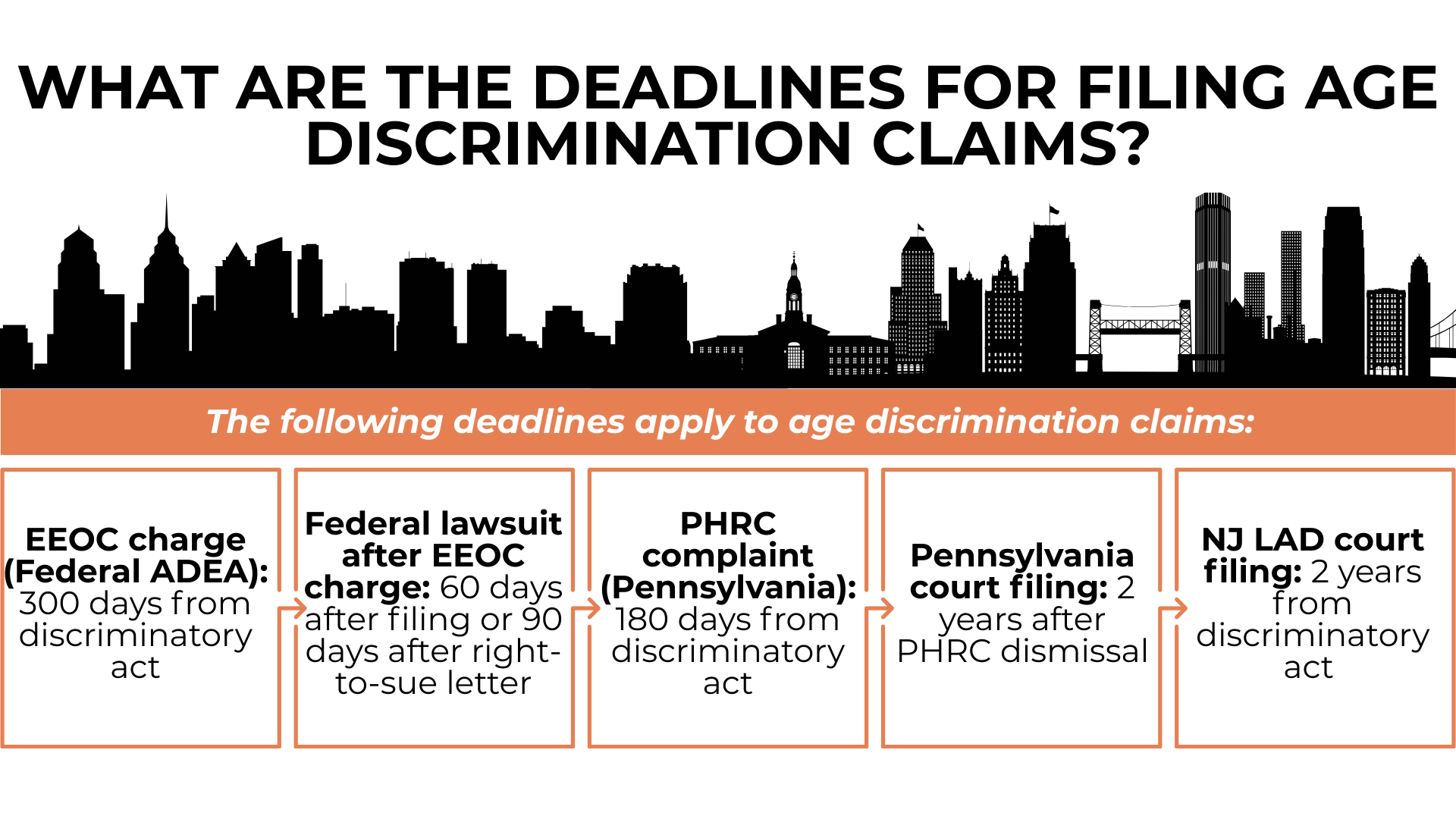
EEOC Complaint Deadlines and Filing Steps in New Jersey and Pennsylvania
Workers navigating discrimination claims in New Jersey and Pennsylvania face a 300-day filing deadline under federal rules when...

ODFW Fish Screening and Passage Program Protects Native Fish in Oregon Rivers and Streams
Native fish move through Oregon rivers while state programs keep water diversions clear. The Oregon Department of Fish...

Oklahoma Beats Campbell 87-78 on Decisive Free Throw Shooting
Campbell's upset bid came up just short in an 87-78 loss to Oklahoma in Norman, Oklahoma, on Wednesday...

Ohio State Holds Second Place on Women’s Leaderboard at McCorkle Aquatic Pavilion
Ohio State holds second place on the women's leaderboard and fourth on the men's at the McCorkle Aquatic...