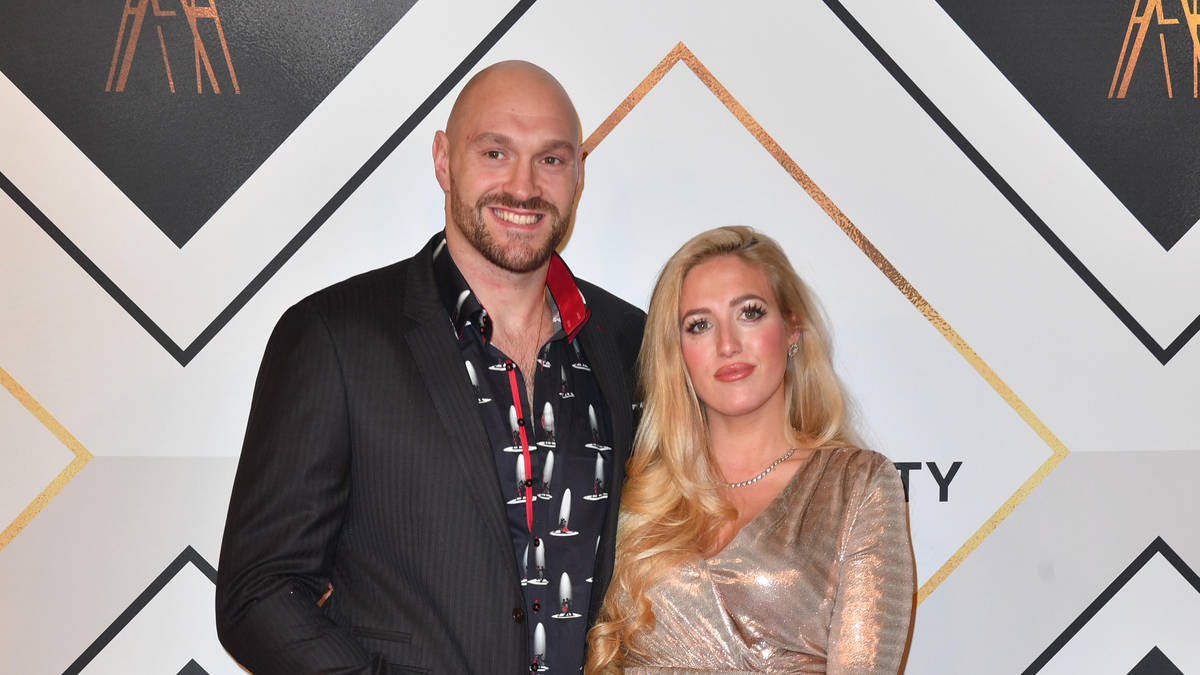
- Paris Fury says her husband was diagnosed as “a mild schizophrenic” after years of mental health struggles
- Fury describes hearing voices threatening to kill him and his family during a 2016 breakdown
- The 90-minute documentary “Tyson Fury” premieres on Netflix on November 27
- Fury faces Anthony Joshua for the WBA “Super” heavyweight title on December 11 in Cardiff
The documentary, directed with access to Fury, his wife Paris, and his father John, traces the boxer’s mental health crisis after he defeated Wladimir Klitschko to become world champion in 2015.
Paris Fury, 36, said she initially dismissed the diagnosis: “I thought ‘Don’t be silly, What’s she on about? “I remember having a feeling of anxiety even though nothing bad was going to happen. I was five or six,” he said in the film. His father John acknowledged he had witnessed his son’s struggles but dismissed them: “I didn’t want to see a depressed kid.
If I did, I paid no mind to it.” Fury says the warning signs were there from an early age. “It wasn’t new. I’ve always been struggling my whole life,” he said. He also recalled hiding in a wardrobe as a child and thinking something bad would happen. His father John had a firm “men should be men” attitude.”
Psychosis and hospitalization in 2016
In June 2016, Fury was rushed to hospital with a suspected heart attack. Paris Fury recalled finding him connected to wires, seriously frightened, telling her: “Get me out of here. The Illuminati, they’re all in on it. They can’t make me be quiet so they’re going to kill me.”
Fury described hearing voices through the radio: “The radio starts talking, having a full conversation with me. It’s saying, ‘No one’s untouchable, we can get you at any time, if you don’t behave yourself we’ll kill your father.’ I’ve been drugged with anthrax, am I not really here, I must be dead.”
He said he saw a psychiatrist who asked “a gazillion questions” and he “ticked all the boxes. Depression, anxiety, bipolar disorder.” The Sun reported the psychiatrist diagnosed him with schizophrenia. Paris said in the film: “He’s a mild schizophrenic.”
She added: “Even then the penny didn’t drop. I thought ‘Don’t be silly, What’s she on about? Maniacs are schizophrenic.’ “I asked ‘What’s bipolar?’ When someone explained it I thought, ‘Wow, that’s him to a tee’.”
Family history and cultural barriers
Fury was born two months premature in Manchester to an Irish Traveller family with a bareknuckle boxing heritage. He described a childhood without emotional expression: “My family, growing up, there was none of that lovey-dovey stuff. They’re all hard nuts. There’s no emotion shown.”
His father John, who says he suffers from the same illness, described his past attitude: “It was like ‘What’s up, lad? Don’t be miserable around me, do summat.’ I’d give him a job. If you’re bored you’re making room in your brain for these problems.”
Paris Fury told the Sunday Mirror that the routine of training camps helps keep her husband mentally stable, but she worries about life after boxing: “You can’t live in a training camp all your life. That’s where I’m at. He’s in a training camp now. He’s lived in a training camp this year.”
She added: “I know he’s addicted to boxing. I know it’s an addiction, and he has an addictive personality, and this is his addiction, but he has to quit it one day because it can’t go on forever.” “Basically, I think he’s been at home two and a half months of this year,” she said.
Fury calls Joshua fight his “final hurrah”
Fury told the Guardian he views the December 11 bout as his “final hurrah” and will need to find work afterward. “Once that fight is over I have to decide: what will I do next? I need to find a job.”
He said he enjoys walking the dog and taking his children to school but worries how he will fill the hours after the school run without a fight to train for. The documentary “Tyson Fury” releases on Netflix on November 27, with the Joshua fight streaming live on the platform two weeks later. Samaritans can be reached free on 116 123, day and night.
Worth a look
Pakistan’s FDI Falls 34% Despite Stability as Investors Cite Policy Unpredictability, High Costs
Pakistan secured macroeconomic stability in FY26 but net foreign direct investment fell 34 per cent to $1.64 billion,...

Trump Reposts El-Sayed’s ‘TrumpCare’ Pitch, Signals Bipartisan Healthcare Openness
President Donald Trump reposted a screenshot Saturday of Michigan Sen.-elect Abdul El-Sayed’s mock-up of a gold “TrumpCare” insurance...

Teen Vaping Falls to 8% But Mother Demands Flavour Ban as Rate Remains High
Daily vaping among 15- to 17-year-olds fell to 8% in 2025-26, down from 12.8% a year earlier, the...
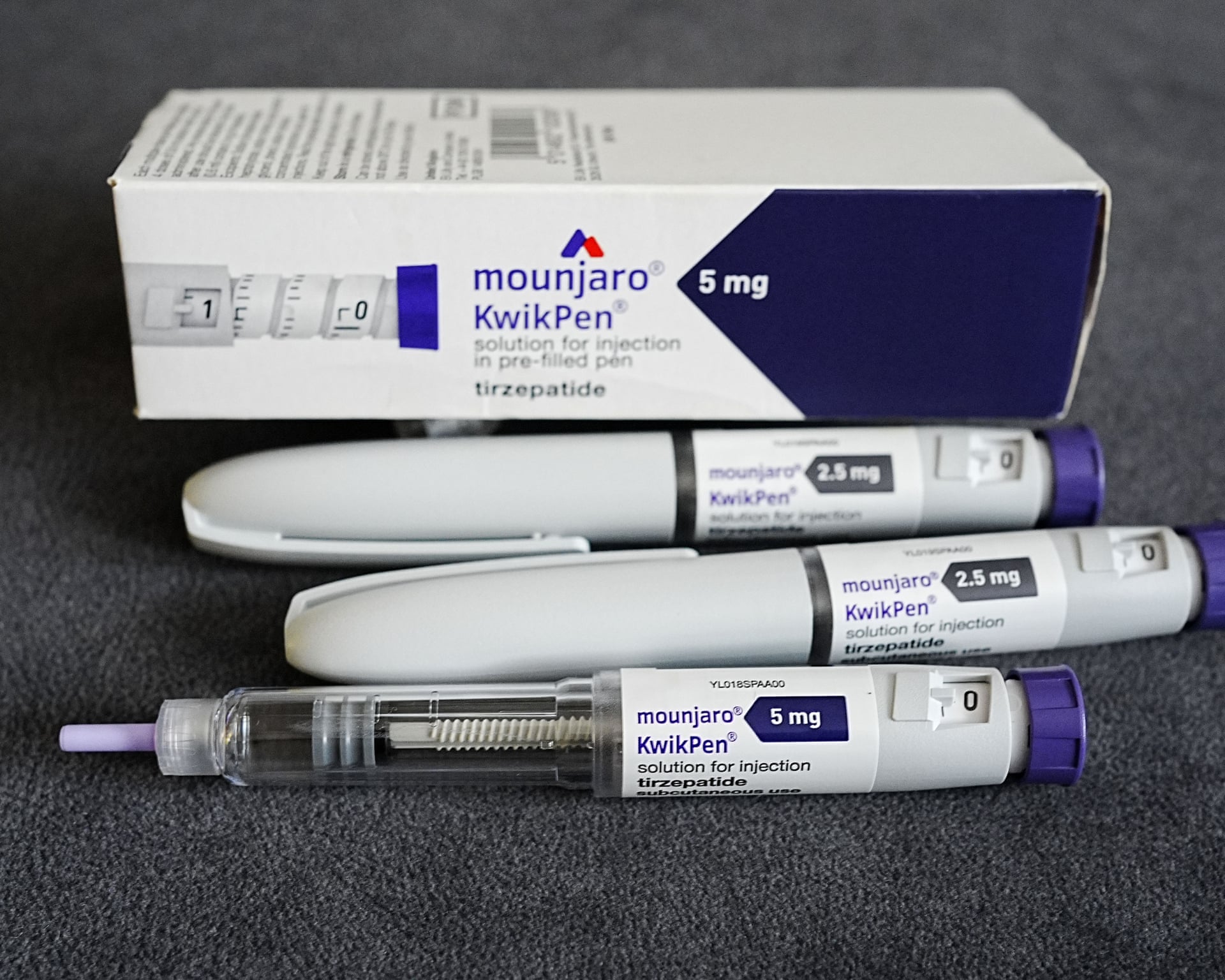
NHS Weight-Loss Jab Access at Risk as Most ICBs Cut GP Funding
"Many people describe a postcode lottery in access to NHS-funded weight-loss drugs," said Chris McCann, acting chief executive...