“Many people describe a postcode lottery in access to NHS-funded weight-loss drugs,” said Chris McCann, acting chief executive of Healthwatch England.
“Depending on where they live, people can face very different routes to getting the medication, and in some areas access remains unclear while local commissioning arrangements are still being decided,” he said.
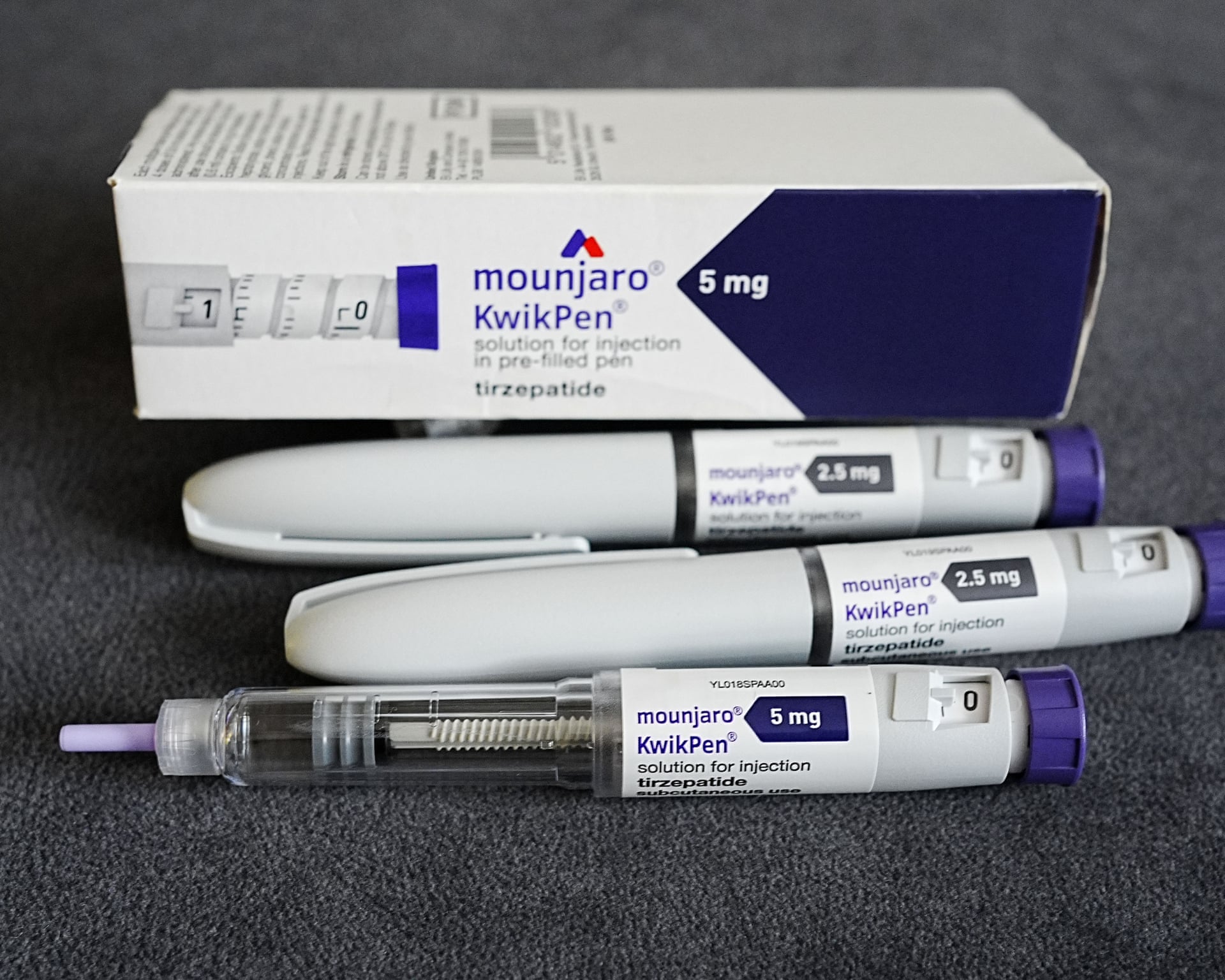
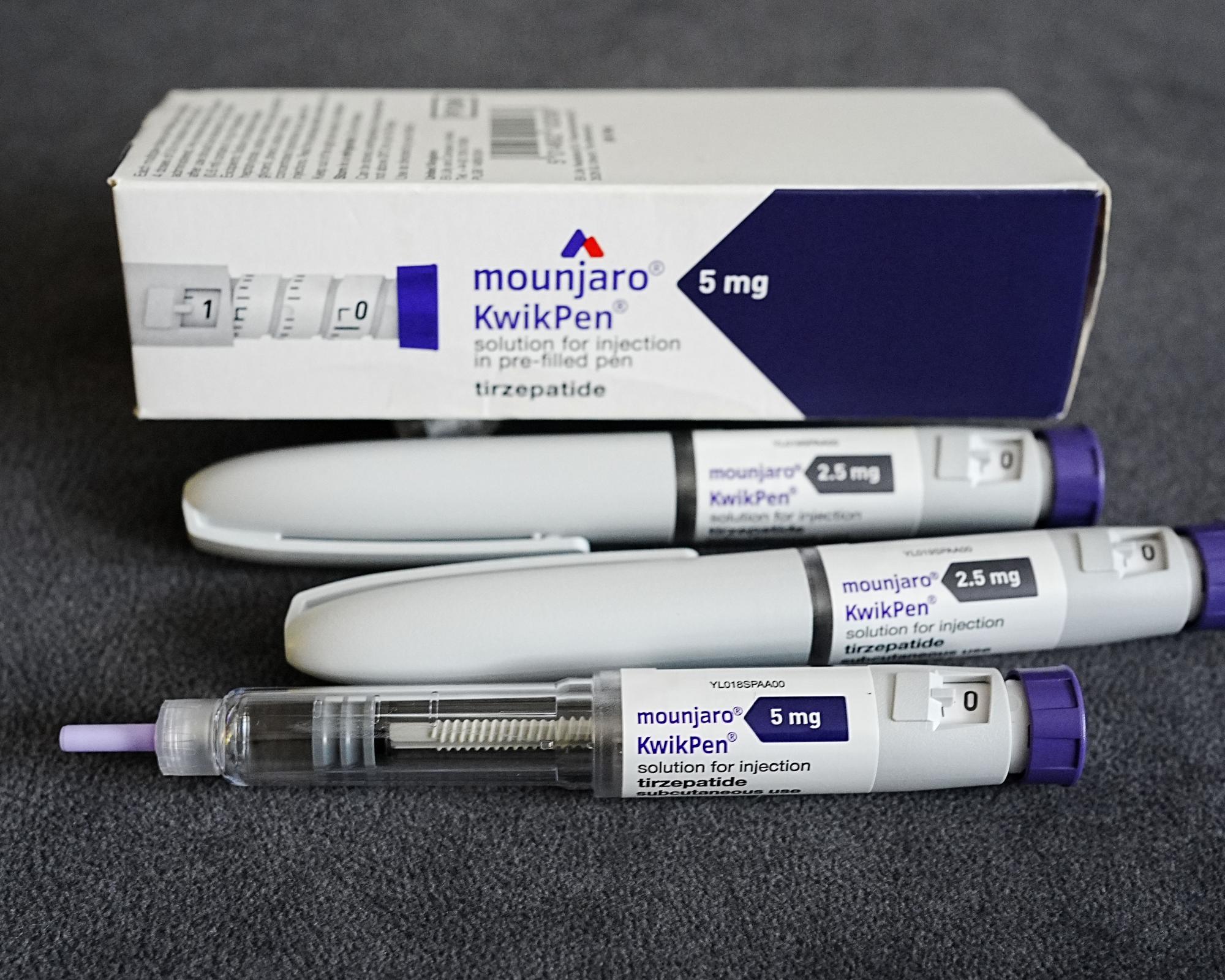
Most integrated care boards in England have withdrawn local funding for GP services that prescribe and monitor Mounjaro, also known as tirzepatide, leaving eligible patients at risk of missing out on the treatment, an investigation by the GP magazine Pulse has found. The inquiry showed that 21 of 36 ICBs have scrapped payments to practices, a further nine never had a local enhanced service, and only four retain one, The Guardian reported.
NHS England moved funding for tirzepatide support into the national GP contract from April, adding obesity-management incentives to the Quality and Outcomes Framework. The scheme is voluntary, and GPs told Pulse the payments do not cover the cost of providing the service. NHS England said the change replaces varied local arrangements with a clear, nationally funded approach that gives practices a consistent framework and helps improve equitable access.

It warned the arrangements could become increasingly unsustainable as the NHS widens eligibility over the coming years.
Prof Victoria Tzortziou Brown, president of the Royal College of GPs, said the college recognised the worry that the new arrangements “may not adequately support the clinical work involved in assessing patients, prescribing safely and providing ongoing monitoring and follow-up.” She added that it is vital general practice is appropriately supported to deliver safe, high-quality care as part of any additional responsibilities tied to the rollout.
Prof Andy Brooks, clinical chair of the National Association of Primary Care, said people eligible for tirzepatide needed “a clear, properly resourced route to treatment and follow-up,” including continuity of care for those already taking it. He said the situation illustrates the limits of paying for individual activities for complex problems, which require a far more coordinated approach.
“We should start with the needs of our populations and the outcomes that matter to people, bringing together neighbourhood partners to plan and properly resource prevention, weight management support and treatment,” he said.
“The test is whether people can get the support they need when they need it, whether inequities in access narrow and whether that support can be sustained,” he said.
Cheshire and Merseyside ICB states that GP participation is optional and that meeting eligibility criteria does not guarantee access. Last year, only 18 of 42 commissioning bodies had confirmed they had begun prescribing the drug, The Guardian reported. McCann said patients had reported significant differences in their ability to obtain NHS-funded weight-loss drugs, with some areas where access remains unclear while local commissioning arrangements are still being decided.
Worth a look

Teen Vaping Falls to 8% But Mother Demands Flavour Ban as Rate Remains High
Daily vaping among 15- to 17-year-olds fell to 8% in 2025-26, down from 12.8% a year earlier, the...

New Second Daily Vilnius-Riga Train via Daugavpils to Launch December 13
Lithuania and Latvia will gain a second daily rail link between their capitals on December 13, when LTG...

4 Demonized Foods With Surprising Health Benefits, According to Science
Four foods long treated as dietary villains — potatoes, peanuts, full-fat dairy and cheese — carry evidence of...

Families Gather in Dublin to Remember Loved Ones Lost to Sudden Cardiac Death
"Even though it's 10 years on, grief never dies. It's always with you," Orla Foley said of her...