Nevada faces one of the nation’s most severe fentanyl overdose crises, with fentanyl-related overdose deaths increasing dramatically over the past five years according to data from the Nevada Division of Public and Behavioral Health.
The state’s rate now significantly exceeds the national average, making the substance the leading cause of death among adults under age 45 in several Nevada counties.
The crisis is particularly acute in Clark County, where overdose deaths reach into the hundreds annually. At the same time, rural Nevada communities from Elko to Pahrump are experiencing increased fentanyl-related fatalities. Illicit fentanyl is now mixed into virtually every type of drug supply across the state, leaving occasional drug users facing potentially lethal exposure.
Fentanyl is 50 to 100 times more potent than morphine and 50 times more potent than heroin, according to Trust SoCal. A single grain the size of a salt crystal can be lethal, fundamentally changing the risk calculation for anyone using illicit substances. Users frequently have no way to know whether their drugs contain fentanyl until they consume them.
Today’s opioid crisis is driven almost entirely by illicit fentanyl manufactured in clandestine labs and distributed through street-level markets. Heroin supplies often contain significant fentanyl concentrations, while cocaine and methamphetamine supplies are increasingly contaminated with dangerous adulterants. Counterfeit prescription pills, including fake oxycodone and Xanax, are also widely available and frequently contain fentanyl.

Medication-assisted treatment supplies an established path toward recovery for Nevada residents dealing with opioid use disorder, entirely removing the dangers of overdosing tied to street drugs.
Treatment approaches include methadone, buprenorphine, and naltrexone. Specialized methadone maintenance clinics, licensed by the Nevada Division of Public and Behavioral Health, offer access to methadone. Buprenorphine produces a ceiling effect that reduces overdose risk and is available through office-based practices and federally qualified health centers. Naltrexone, an opioid antagonist, blocks the effects of opioids as a monthly injection.

Trust SoCal does not accept Nevada Medicaid. Residents seeking local programs that accept Nevada Medicaid can search FindTreatment.gov or contact the SAMHSA National Helpline at 1-800-662-4357.
Nevada state government, federal agencies, and local health departments coordinate overdose prevention efforts including naloxone distribution, supervised consumption site pilots, and outreach to high-risk populations. Naloxone rapidly reverses opioid overdose by restoring breathing and consciousness when administered promptly.
Nevada law permits pharmacists to dispense naloxone without a prescription to anyone who requests it, and community organizations distribute kits for free. Efforts to prevent overdoses—such as handing out naloxone—are managed collaboratively by municipal health agencies in Carson City, Las Vegas, Reno, and other regional areas. Nevada’s Good Samaritan law protects individuals who call 911 during an overdose from criminal prosecution, supporting emergency intervention across communities.

Union Pacific Big Boy and Living Legend Holiday Excursion in Colorado Nov 21
Two massive vintage steam locomotives are rolling into Colorado on Saturday, Nov. 21, for their first-ever holiday excursion,...

House Democrats Nominate Bowman as Next Speaker, Denying Fahey Second Term
“First, I want to thank Speaker Fahey for her service to the state. She is a talented legislator...
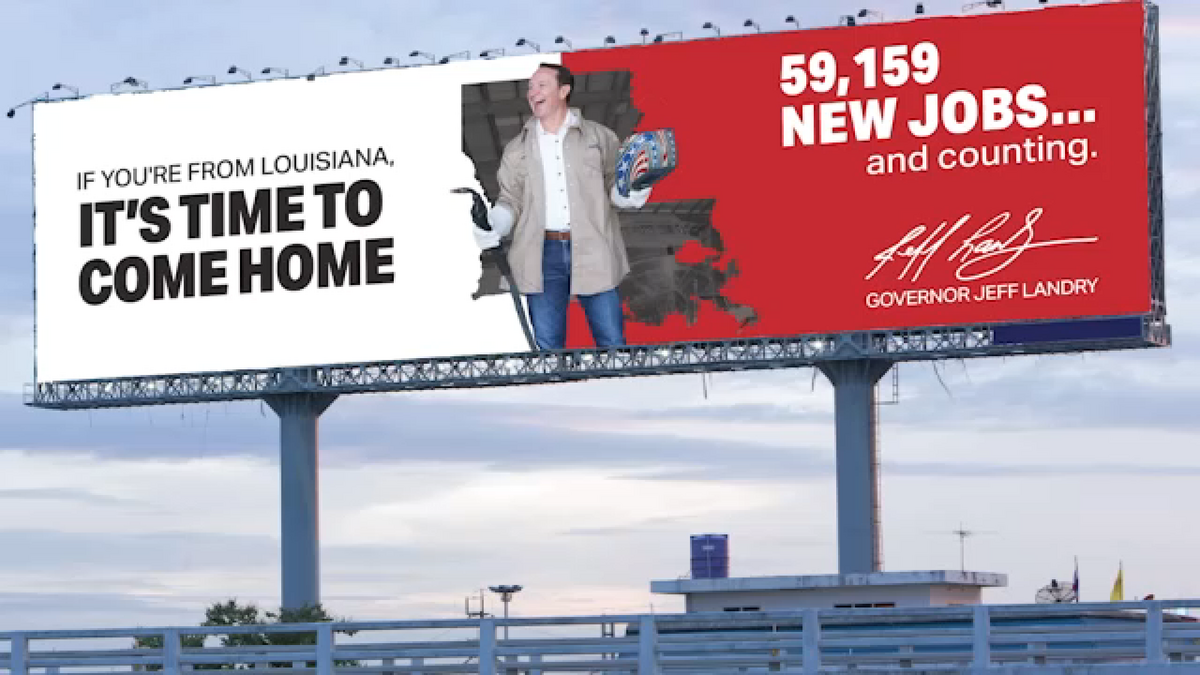
Louisiana Economic Development Agency Launches Billboards Near Houston
Louisiana state leaders are launching a new billboard campaign along I-10 in the Houston area to convince former...

Delaware Edges CSUN 97-92 in Overtime Thriller
The CSUN men’s basketball team fell 97-92 to Delaware in an overtime thriller on Friday afternoon at the...