
Passengers injured in Nevada crashes can pursue compensation from any negligent driver, but policy limits and shared fault often reduce what is actually available.
Nevada requires minimum bodily injury liability coverage of $25,000 per person and $50,000 per accident, and those caps limit the total insurance money a passenger can recover, Naqvi Injury Law reported. A $50,000 per‑accident limit, for example, does not provide $50,000 to each injured passenger.
- Nevada minimums: $25,000 per person, $50,000 per accident for bodily injury liability.
- Rideshare trips with a passenger require at least $1 million in liability coverage for claims arising on or after Oct. 1, 2025.
- Two‑year statute of limitations applies to personal injury lawsuits, with exceptions for minors and government entities.
- MedPay or health insurance typically covers treatment costs while a liability claim is pending.
Who pays for a passenger’s injuries
Nevada follows a fault‑based system, so the driver responsible for the collision is generally liable. The firm outlined several common scenarios:
- Another driver caused the crash — that driver’s liability insurance.
- Your driver caused the crash — the driver’s or vehicle owner’s liability insurance.
- Both drivers were negligent — both drivers’ applicable liability coverage.
- At‑fault driver was uninsured — your uninsured motorist (UM) coverage, if purchased.
- At‑fault driver’s coverage was insufficient — liability insurance plus possible underinsured motorist (UIM) coverage.
- Uber or Lyft passenger — rideshare liability insurance, which varies by the driver’s activity at the time.
Rideshare coverage tiers
Nevada sets specific insurance requirements for Uber and Lyft. While the app is on but no ride has been accepted, lower requirements apply. Higher coverage begins when a driver accepts a trip, including travel to the pickup location.
Once a passenger is in the vehicle, the law requires at least $1 million in applicable liability coverage for covered transportation services for causes of action arising on or after October 1, 2025. The $1 million requirement does not guarantee that one passenger will receive that amount.
Medical bills before settlement
The at‑fault driver’s insurer generally does not pay medical bills as treatment occurs. Available MedPay or health insurance typically covers expenses while the claim is pending.
Key steps and deadline for filing claims
The firm advises passengers to seek medical attention promptly, report the accident to law enforcement, collect driver and witness information, notify applicable insurers, document losses, and consult an attorney before accepting a settlement. Nevada imposes a two‑year statute of limitations for personal injury lawsuits, though deadlines can change depending on the claim and circumstances, including whether a government entity or minor was involved.
Compensation passengers may recover
Economic damages include medical expenses, rehabilitation costs, lost wages and reduced earning capacity. Non‑economic damages cover pain and suffering, emotional distress, scarring and reduced enjoyment of life.
Common questions answered
- Can a passenger sue the driver they were riding with? Yes. If that driver caused the collision, a claim may involve their liability insurance.
- Can I file a claim if the driver was uninsured? Yes. If you elected UM coverage, it may provide compensation depending on the applicable policies and circumstances.
- Does not wearing a seat belt affect a claim? Under NRS 484D.495, a seat‑belt violation cannot establish negligence or causation in a civil action.
- Who pays medical bills while the claim is pending? Available MedPay or health insurance typically covers treatment costs before the liability claim resolves.
Related reading
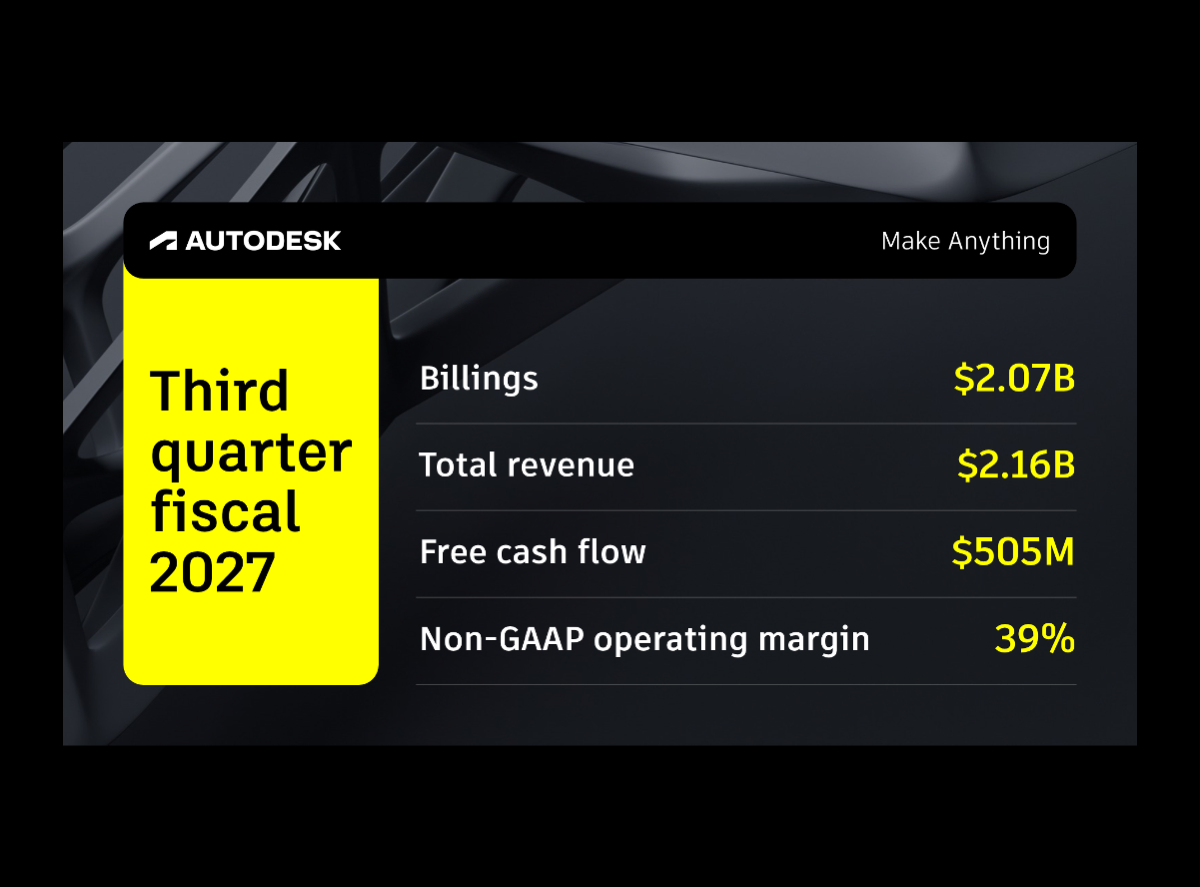
Autodesk Beats Q3 Estimates, Raises FY27 Outlook
Autodesk reported third-quarter fiscal 2027 results, with revenue and earnings per share exceeding the high end of its...

Pentagon-Funded Hawaii Program Aims to Build Defense Manufacturing Base
"Our shop here is, in my professional opinion, one of the most advanced and well-rounded…training facilities out there,...

Expert Review Recommends Plug-in Balcony Solar Panels for Ireland
Minister for Climate, Environment and Energy Darragh O'Brien will brief Cabinet on Tuesday on an expert review recommending...

Wyoming Conservation Groups Join Nationwide Call for Federal Data Center Moratorium on Public Lands
Wyoming conservation groups joined 115 organizations calling for a federal moratorium on data centers on public lands on...