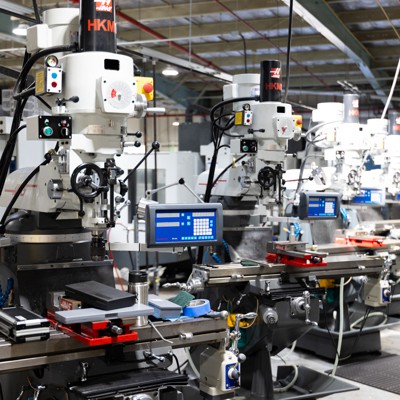
“Our shop here is, in my professional opinion, one of the most advanced and well-rounded…training facilities out there, hands down,” said Jake LaBonte, master instructor at the Honolulu Community College program.
The Pentagon-funded workforce effort aims to build a defense manufacturing base in Hawaii, Defense One reported.
The Industrial Base Analysis and Sustainment program invested $7 million in the collaboration among the college, the Ku’i Hao workforce initiative and BG Workforce. Training takes place in a warehouse less than 10 miles from Pearl Harbor Naval Shipyard, where students progress from blueprint reading to operating manual and automated machines before assembling a model submarine, the “USS Aloha.”
When the first cohort arrived in August 2025, instructors found the curriculum mismatched to local conditions. “I think one of the things different about Hawaii is it’s a little bit further behind the industry…so we had to be a little bit more creative with how we kind of got people trained up,” LaBonte said. He and his team rewrote the program between cohorts; students now spend 80 percent of their time in the shop, up from 20 percent.
Each cohort holds eight students — military members, local students or employees of area companies. Two current students are trainers at Pearl Harbor Naval Shipyard, which BG Workforce Chief Operating Officer Kevin Beamish said is “looking to hire thousands of employees over the coming years.”
BG Workforce also runs The Forge, U.S. Pacific Command’s expeditionary foundry on Oahu. “It’s got to be closer to the fight, I think is what Adm. [Sam] Paparo would say,” Beamish said, referring to the PACOM commander.
The facility has already cut cost and lead time for a unit on the island. Parts that would cost $42,000 each and take two to three years from the mainland were reverse-engineered and produced locally for $100 or $200.
“They’ve got a shelf full of replacement parts that break often, and now they can fix them with local stock instead of having their assets down and not serviceable,” LaBonte said. Those parts are now integrated into the student curriculum.
Assistant Defense Secretary for Industrial Base Policy Mike Cadenazzi cited the program in September during a House Appropriations Committee hearing, noting such training capacity has not existed in Hawaii since the 1970s. “We feel our workforce programs are best structured as tied directly to the needs of the community,” Cadenazzi said. “It’s definitely localized and tailored….We’re really thrilled wherever we can do it.”

NASA’s Voyager 1 Reaches One Light-Day, Stops Science Data Transmission
NASA's Voyager 1 spacecraft reached a distance of one light-day from Earth on November 18, becoming the first...

Newsom Eager for Wildfire Deal but Says Legislature May Not Be Ready
“I think with the new Legislature coming in (December) 7th, there’s potentially some hesitancy,” said Gov. Gavin Newsom,...

No. 2 Virginia Hosts Marquette as Heavy Favorite Behind Elite Efficiency
Virginia enters Wednesday's game against Marquette as the nation's No. 2 team, leading the all-time series 3-1 and...
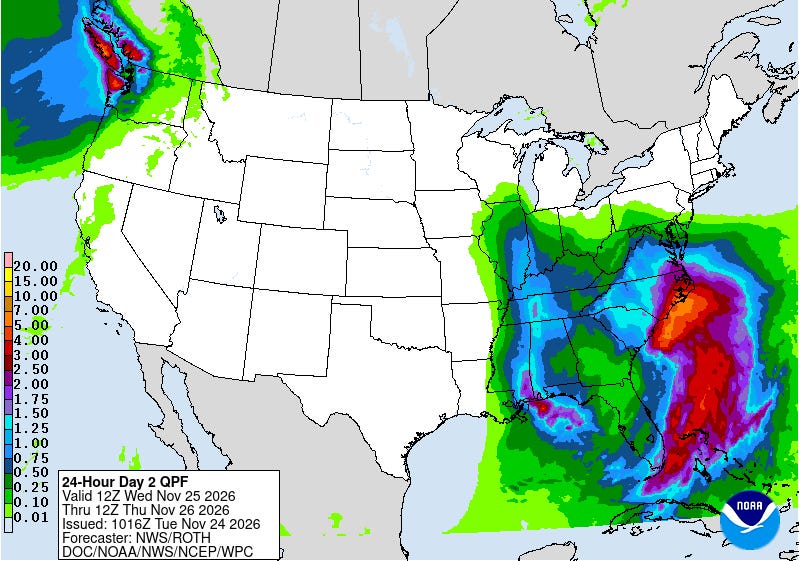
Bomb Cyclone Prompts Warnings; Stormy Wednesday Travel Expected in Georgia
A developing bomb cyclone off the East Coast prompted a coastal flood warning for southeast Georgia and a...