
The New Mexico Activities Association adopted a one-time transfer rule this summer that lets high school athletes change schools without sitting out a season, and Cibola High School football coach David Howes — who opposed the change — now says he sees unexpected benefits, KOB 4 reported.
Member schools approved the rule in a 67-60 vote. Supporters argued it gives students more flexibility; critics warned bigger programs could build super teams. “We didn’t think it was a a great plan, especially for the rural and smaller schools,” Howes said.
“We thought it was wasn’t going to benefit the Cibolas of the world and the teams that have depth problems as it is.” “We thought that would it would hurt us far more,” Howes said.
Early results surprise a skeptic
“I think people are naturally drawn to the lure and the pretty shiny things, and so they’re going to go and try that,” Howes said. After several months under the rule, zero Cibola football players transferred out and the program added several players, including two seniors who made an immediate impact.
“I’m pleasantly surprised, to be honest with you,” Howes said. “If you’re going to go to a school that has seven or eight really good players and you know four or five running backs, your odds are very very low. So I think you got to do your homework.”
Howes said the added depth helps schools like Cibola that are losing enrollment each year. “That has helped some depth across the board with schools like Cibola that are actually are losing population every year versus growing every year,” he said.
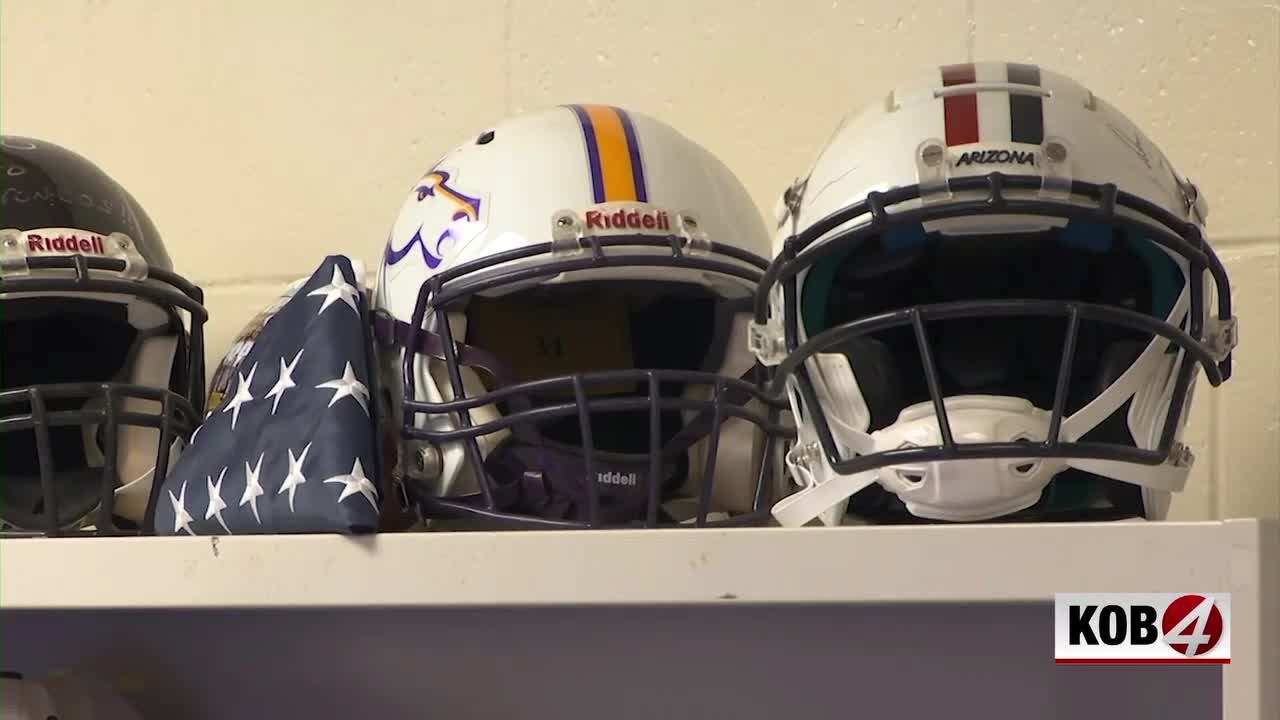
New Mexico aligns high school policy with collegiate changes
NMAA Executive Director Dusty Young said the rule aligns high school policy with changes at the collegiate level. “Try and provide some more flexibility for our students across the state of New Mexico,” Young said. “I think what we see at the collegiate level that that is completely different than it was 10 years ago,” Young said. “That kind of you know tapers down into the high school ranks as well.”
The first free transfer must occur before the start of the sport’s season. “That first free transfer does have to take place before the start of the sports season that you’re attempting to transfer for,” Young said.
“One of the concerns we heard early on is, well, there’s going to be some super teams built because kids can now go wherever they can band together,” Young said. “The good news is we haven’t seen that yet,” Young said. “Granted, we’re still early on.”
Albuquerque Public Schools said it does not track transfer totals. Rio Rancho reported 17 transfers — eight to Cleveland High School and nine to Rio Rancho High School. The NMAA has received 350 petitions statewide but will not have exact numbers until year‑end, KOB 4 reported.
Officials are watching for coaches who recruit players from their former schools. “When you hire coaches, you don’t think about where they were coaching,” Howes said. “You hire their talent. You hire their abilities. You hire them, and then two years later, a kid wants to come here from that school. That’s considered following a coach.”
Young said the association wants guardrails to stop poaching and expects adjustments. “There’s probably going to be some tweaks that we need to make along the way,” he said.
Cibola High School, a Class 6A program in District 1 alongside V. Sue Cleveland High School and Volcano Vista High School, carried a current enrollment of 1,762 after peaking as the state’s largest school with over 3,200 students until 2006. Coach David Howes feared the transfer rule would hurt Cibola specifically because the school is “losing enrollment each year” and already has “depth problems,” making it vulnerable to losing players to bigger rosters.
Howes said he still might not vote for the rule today but believes schools should make it work. He and others cautioned it is too early to judge the full effect because the rule passed in June, shortly before football practice began, and next season may show more clearly how much it changes high school sports.
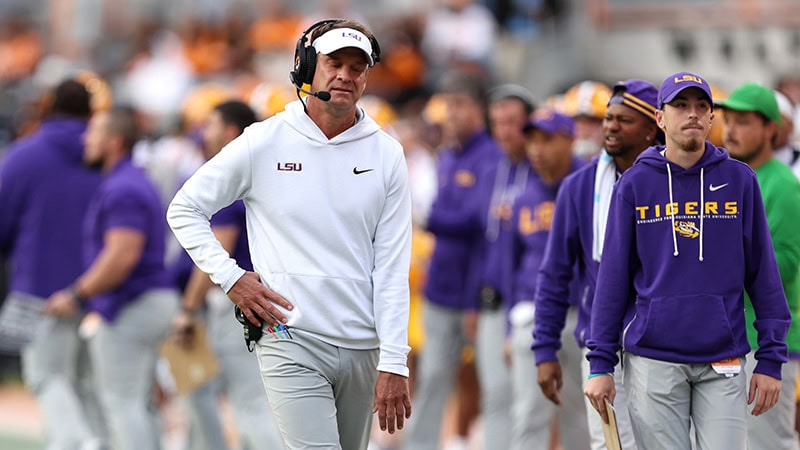
LSU Finished the 2026 Regular Season 7-5
LSU finished the 2026 regular season 7-5 after a third consecutive November loss, a result Louisiana Sports Net...
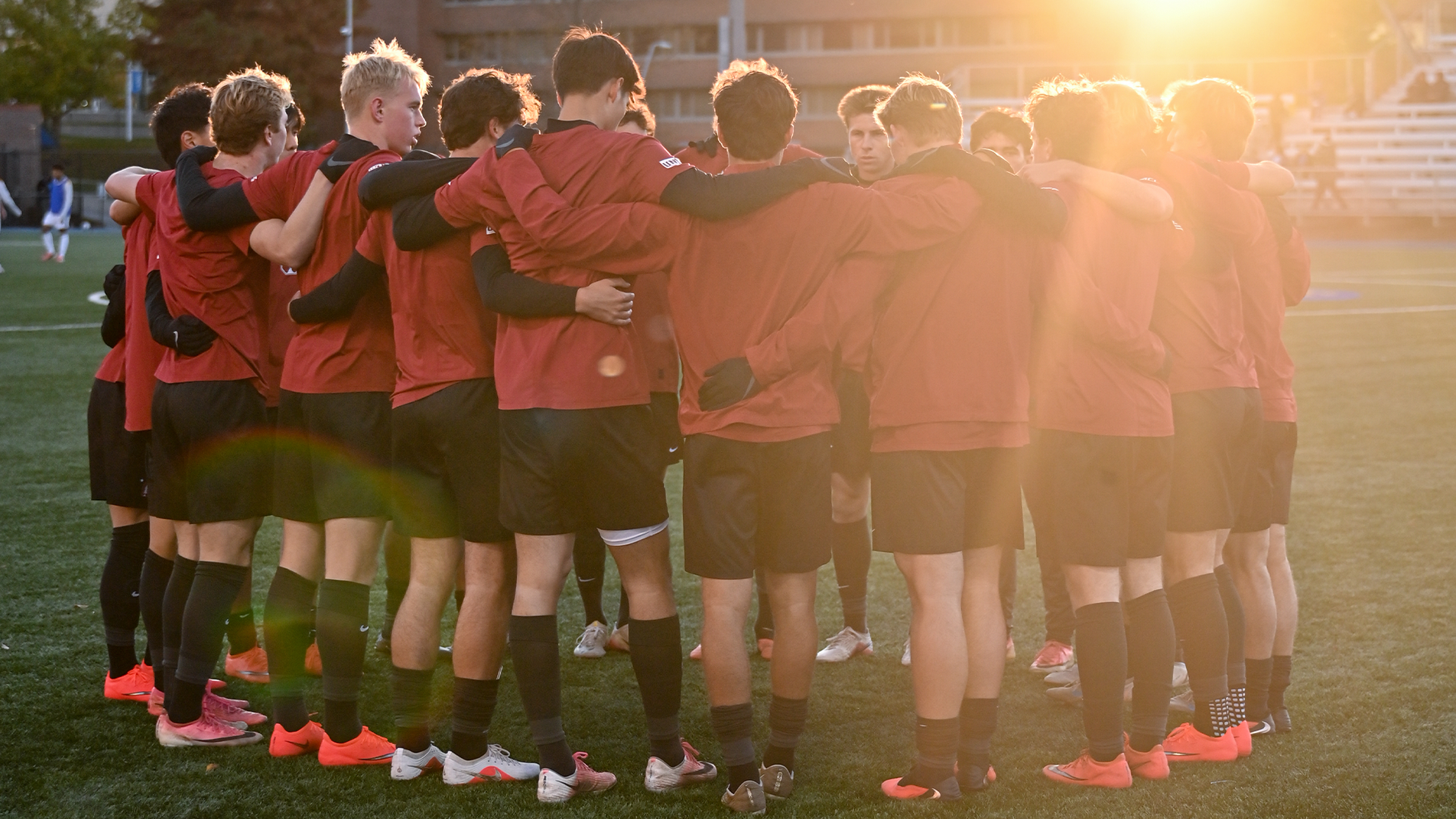
Kansas City Beats Stanford in Penalty Shootout to Advance to NCAA Round of 16
Kansas City eliminated Stanford in a penalty shootout Sunday night after the teams finished 3-3 through 110 minutes...

Nomtastic Kim Highlights 8 Maryland Independent Bookstores
Maryland-based content creator Nomtastic Kim recently highlighted eight independent bookstores across the state in an Instagram post titled...

Lahaina Leader Dawn Smythe Fujiwara Honored With 2026 Kukui Lamakū Award
Longtime Lahaina community leader Dawn Smythe Fujiwara received the 2026 Kukui Lamakū Award during the Association of Hawaiian...