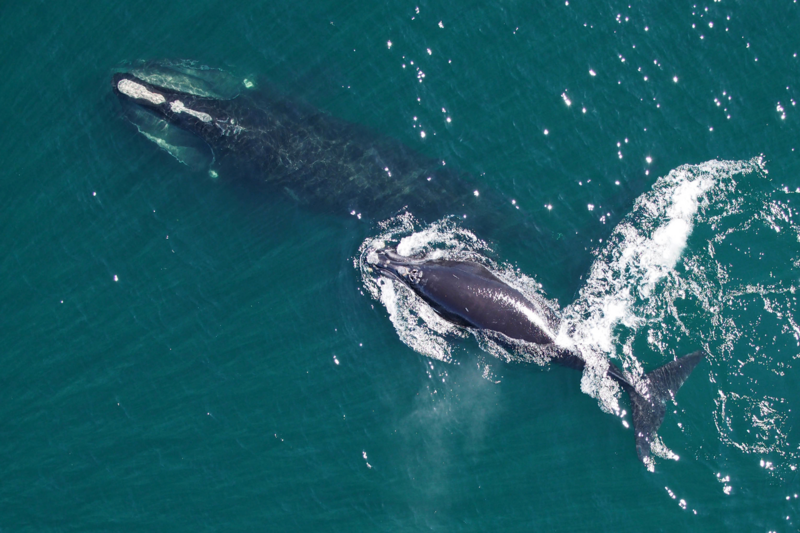
Maine’s lobster industry is finding a rare moment of relief following a November 5 announcement from federal regulators.
NOAA North Atlantic Right Whale Seasonal Management Areas are now in effect: from off McIntosh County, Georgia to S. Carolina off the entire coast of S. Carolina north to Wilmington, NC off Carteret County, SC the Mouth of Chesapeake Bay, VA the Mouth of Delaware Bay, DE & NJ
The agency’s updated analysis indicates that the U.S. proportion of right whale entanglements is now estimated at approximately 25%, a figure notably lower than past projections.
By applying a new scientific method for apportioning entanglements based on gear identification data, regulators are signaling a potential departure from the “worst-case” scenario models that have dominated federal policy for years. For the thousands of families working the Maine coast, this shift represents a long-awaited validation of their conservation efforts.
The consequences for the industry are practical and immediate. For years, lobstermen have contended with proposed regulations designed to prevent whale entanglements that they argued would effectively dismantle their livelihoods. These rules, already pushed back by Congress until 2028, may now face further adjustment or reconsideration.
As noted by the Maine Lobstermen’s Association, this change in government stance is the direct result of a persistent legal strategy that challenged the federal government’s reliance on outdated or incomplete science.
From Courtroom to Coastline
The current federal outlook is a stark turnaround from the regulatory environment of 2022. The Maine Lobstermen’s Association successfully challenged the National Marine Fisheries Service (NMFS) in court, arguing that the agency failed to account for the positive impact of conservation measures already adopted by the fishery. In June 2023, an appeals court agreed, ruling that the government’s previous approach was legally and scientifically flawed.
“This is what we fought for. MLA took the federal government to court and won because its claims about our fishery weren’t supported by the science or the law. That court victory forced NMFS to change course. Now the government’s own analysis is beginning to confirm what Maine lobstermen have been saying for years.”
That assessment came from Patrice McCarron, the executive director of the Maine Lobstermen’s Association, who spoke to WMTW following the November 5 announcement. The shift in data is anchored in the Population Viability Analysis model, which federal regulators are now using to refine recovery factors under the Marine Mammal Protection Act.
By reducing the uncertainty surrounding the species’ status, the agency expects its updated estimates for mortality and serious injury to fall within the range of “potential biological removal,” or PBR—the threshold used to determine if a population can sustain human-caused interactions.
The Path to Scientific Consensus
State officials have been quick to praise the move toward a more evidence-based regulatory framework. Carl Wilson, commissioner of the Maine Department of Marine Resources, emphasized that the new findings reflect a commitment to data that avoids the pitfalls of previous, more alarmist projections. In a statement released by the department, Wilson said that the announcement is positive news for the state’s fixed-gear fisheries.
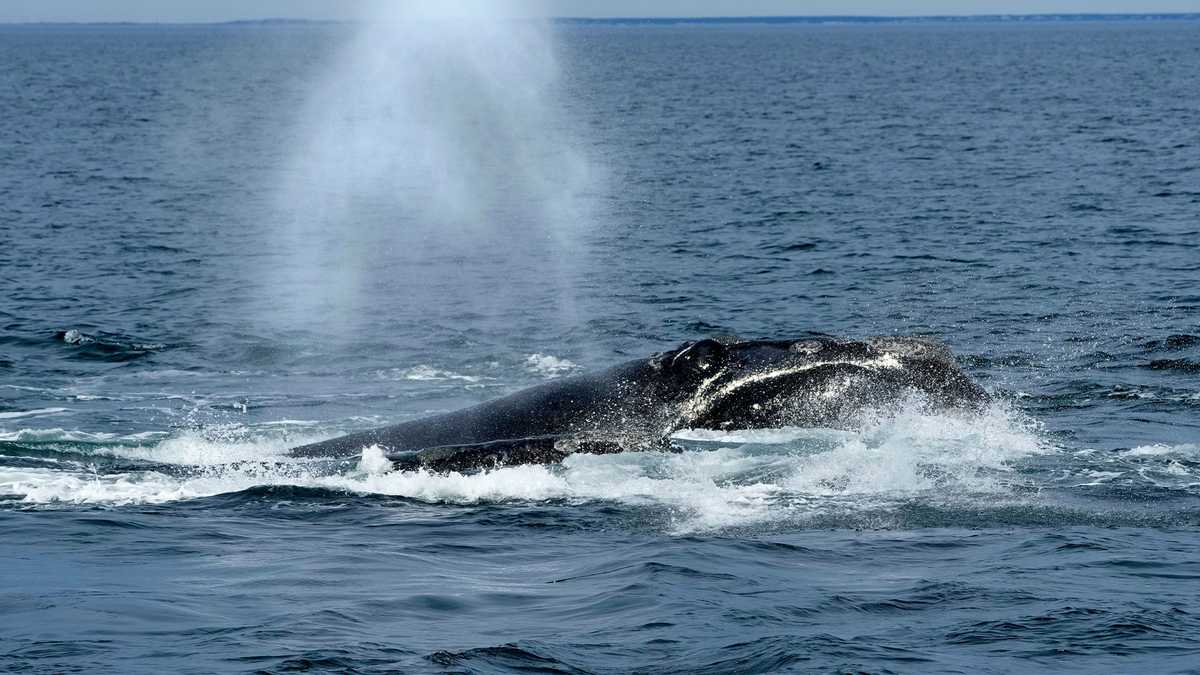
Despite this progress, the situation remains fluid. The preliminary results are currently undergoing peer review, and the North Atlantic Right Whale Consortium is expected to release the 2025 population estimate and 2024-2025 mortality data in mid-November.
While the industry feels a sense of vindication, the Maine Lobstermen’s Association has stated it will continue to monitor the regulatory process closely to ensure that future rules remain grounded in the reality of their fishing practices.
The fundamental question remains: how will federal regulators balance the recovery of an endangered species with the economic survival of a traditional fishery? For now, the answer lies in the ongoing peer review of the data released on November 5.
The industry awaits the next formal step from NOAA Fisheries, holding to the position that after 25 years of adapting their gear and practices, their commitment to conservation is already a proven factor in the water.
Worth a look

Bretton Woods Named Top East Ski Resort for Snow Quality
Bretton Woods has been named the top ski resort in the East for snow quality, according to the...

Lincoln Recalls 37,000 Navigators Over Unexpected Seat Movement
Lincoln is recalling 36,994 Navigators because the front passenger seat may move without warning. This safety recall affects...

Josh Downs Shares Emotional GIF After Trading to Chiefs
Josh Downs used a single, emotional clip of Vince Carter to signal his reaction to being traded to...

Minnesota Frost is Hiring Coordinator for Fan Development and Group Sales
The Minnesota Frost is hiring a Coordinator of Fan Development and Group Sales to drive brand awareness and...