
West Virginia is moving to formalize its digital footprint, tasking Chris Morris with chairing a new council to map out a 20-year strategy for the state’s data center development.
Governor Patrick Morrisey announced the formation of the West Virginia Advisory Council on Responsible Digital Manufacturing on November 10, moving toward more structured oversight of the high-energy, high-infrastructure industry.
The roughly 15-member council will be responsible for drafting statewide siting standards, creating a vetting process for potential project locations, and establishing safeguards for residents. The move comes as the state attempts to balance the economic promise of large-scale technology infrastructure with the reality of local utility capacity and community impact.
“Developers must be responsible for their own infrastructure, protect our water resources, and ensure West Virginia families aren’t left paying higher utility bills,” Governor Morrisey said in the release. The council’s scope includes addressing noise and road impacts and the preservation of water resources, ensuring these factors are weighed before projects move forward.
Establishing the Regulatory Framework
The initiative reflects a long-term goal of bringing predictability to a sector that has operated under a patchwork of local and state rules. Back in April, Morris outlined a vision for a centralized evaluation process during an interview with Secretary of State Kris Warner, as reported by My Buckhannon.
He emphasized that the state’s objective is to build the industry with clear expectations for developers while securing tangible benefits for local communities.
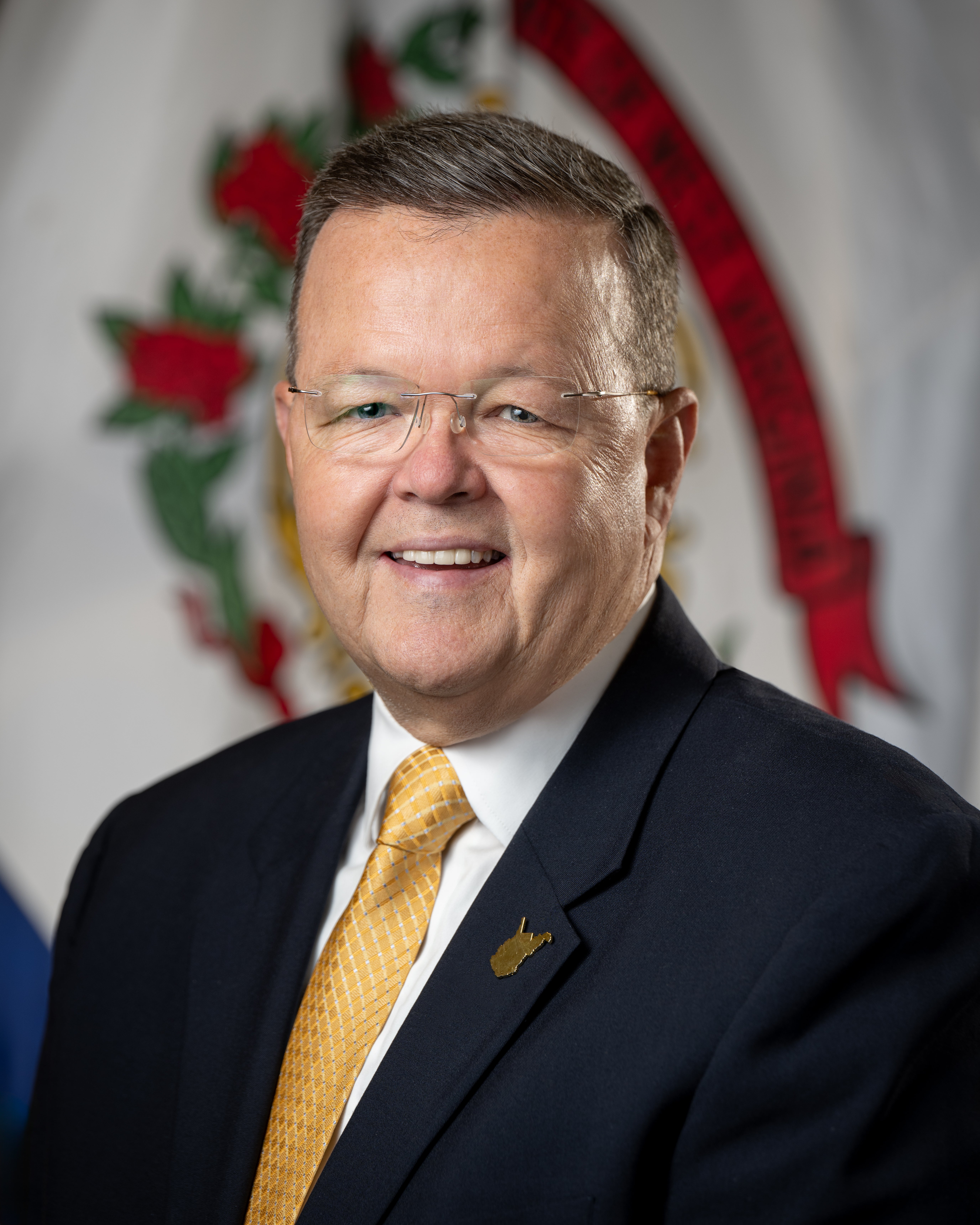
“West Virginia has an opportunity to build this industry the right way, with clear expectations for developers and meaningful protections for the communities that host these projects. That means listening to local concerns, identifying potential problems early, and making sure development delivers real benefits to West Virginians.”
said Chris Morris, council chair. Morris previously directed the West Virginia Data Economy Office in the Department of Commerce and is returning to his former position outside state government while taking on the council chairmanship.
Infrastructure Demands
The economic stakes are significant. Data centers are power-hungry, often requiring dedicated microgrids or massive upgrades to existing local utility lines. With recent power outages reported across central West Virginia, the tension between industrial growth and residential utility reliability is palpable. The council’s mandate explicitly targets this pressure point, tasking the body with recommending ways to protect residential customers from rising costs associated with industrial power demand.
To bridge the gap between state policy and local implementation, the council will draw from a diverse cross-section of stakeholders. The roster is set to include representatives from the data center industry, utility companies, environmental groups, local government, higher education, the Legislature and the public. While the council will provide the roadmap, the secretary of commerce will retain authority to certify projects.
In the interim, the state’s administrative oversight is shifting as well. Deputy Secretary of Commerce Nick Preservati will temporarily take over the Data Economy Office. Preservati, who also directs the West Virginia Office of Energy, will be responsible for coordinating the intersection of energy development and digital infrastructure projects.
The Path Forward
The governor’s office expects the council to convene for its inaugural meeting before the end of 2026. While existing state and federal environmental protections remain in place, the proposed siting standards are intended to provide consistent requirements across the state while allowing for local conditions and concerns.
For now, the focus remains on finalizing the council’s membership, with further appointments expected in the coming weeks.

LA Metro Employee Among 8 Charged With Fraudulently Obtaining Public Benefits
Los Angeles County District Attorney Nathan Hochman announced on Thursday that eight people have been charged with fraudulently...

No. 22 UMD Women’s Basketball Starts 2026-27 Campaign in Mississippi against Arkansas
The No. 22 University of Minnesota Duluth Bulldogs tip off their 2026-27 season this weekend, facing a pair...

Maybe Happy Ending Musical to Debut at Denver Center in 2027
The Tony Award-winning musical Maybe Happy Ending is officially headed to the Denver Center for the Performing Arts...

Driver Clocked at 170 MPH on Phoenix Loop 202
A gray 2023 BMW M2 was clocked at 170 mph on the Loop 202 in Phoenix this week,...