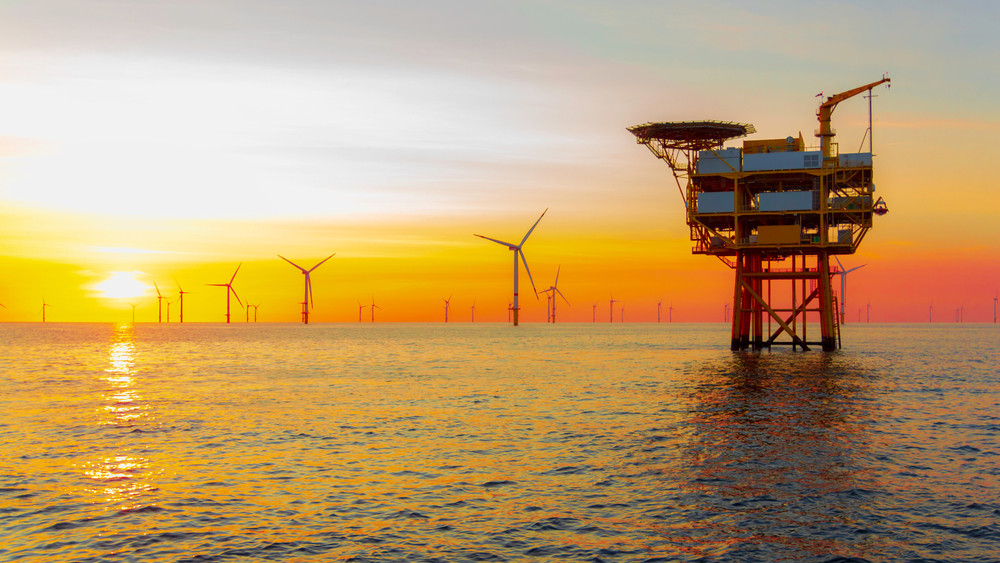
New York Governor Kathy Hochul announced a $228 million investment across five port and shipyard projects to ready the state’s maritime infrastructure for offshore wind development, drawing on funds from a 2022 initiative even as federal policy under President Trump has stalled new projects.
New York allocated the funds in November to the Port of Coeymans, Port of Albany, Derecktor Shipyards, Kalypso in Brooklyn, and Ionic Order in New York City, according to the governor’s office. The money comes from $200 million previously earmarked for offshore wind manufacturing and logistics, part of a broader $500 million offshore wind initiative Hochul announced in 2022, Oilprice.com reported.
The grants also cover upgrades at Mamaroneck Harbour, the development of a subsea cable in Brooklyn, and the expansion of Ionic Order’s waterfront manufacturing facility. Work on some initiatives is expected to begin immediately, per the New York government.
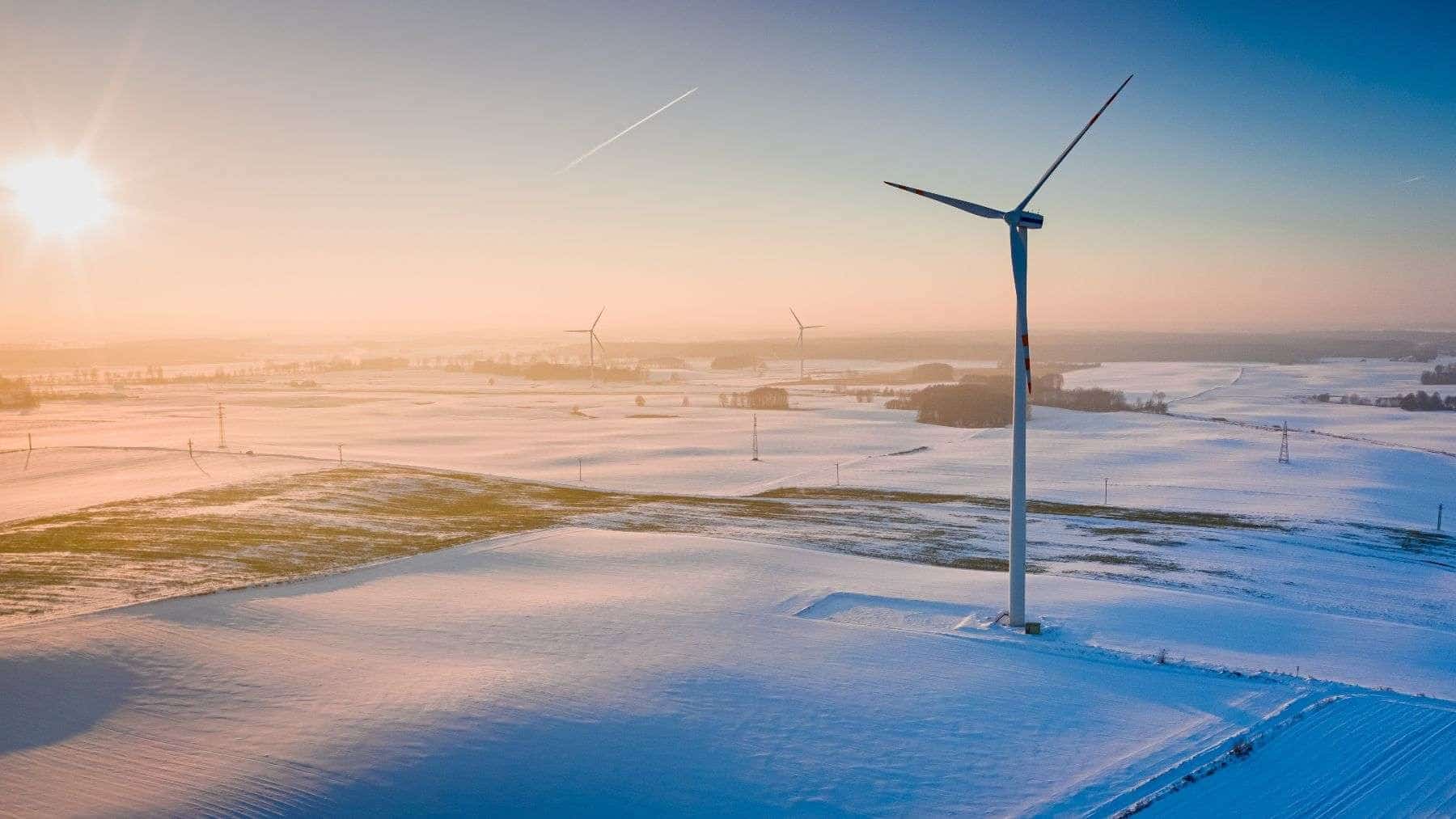
Three ports receive funding for offshore wind upgrades
The largest award, $100 million, goes to the Port of Coeymans on the Hudson River to build a new heavy-lift wharf, rehabilitate existing assets, and open a fabrication site for industrial operations, offshorewind.biz reported. The Port of Albany secured $94.8 million to transform Beacon Island into the Empire Terminal, a multi-use marine terminal with an ultra-heavy-capacity wharf developed in partnership with Waterson Terminal Services and Haugland Group. The terminal will support next-generation cargo handling and staging needs.
Derecktor Shipyards received $16.7 million to modernize infrastructure for constructing and servicing vessels including hybrid-electric ferries and Coast Guard ships. Brooklyn’s Kalypso project won $11.8 million to build the East Coast’s first subsea cable operations and maintenance hub, aimed at shortening repair timelines for renewables, transmission, oil and gas, and telecommunications cables.
Ionic Order obtained $5 million to expand a precast concrete manufacturing and staging platform on the NYC waterfront for offshore wind, coastal resiliency, and utility infrastructure.
State frames spending as long-term bet beyond wind
So our investments today are long-term in nature,” said Doreen Harris, president and CEO of the New York State Energy Research and Development Authority (NYSERDA). Harris added that strong infrastructure development will benefit New York “irrespective of their final use.”
“New York’s ports are the foundation for our maritime industry and this funding will spur even more economic opportunities for New York residents, businesses and waterfront communities from New York City to Albany,” said Governor Kathy Hochul. “These projects will expand what our ports can do — including for the offshore wind industry — and create more than 1,000 good jobs.”
The state’s 9 GW by 2035 offshore wind target, enough to power roughly 6 million homes, has been complicated by federal opposition. President Trump ordered a halt to several approved projects, prompting lawsuits from several companies fighting orders to stop development, Oilprice.com reported.”
The Port of Coeymans, a marine terminal, has demonstrated its capacity for large-scale projects, such as building the foundation for Little Island in New York City and constructing spans for the Tappan Zee Bridge. The port has already invested more than $100 million in facility upgrades, and it features a 660-ton crane on site for handling offshore wind components, according to the Port of Coeymans Wikipedia page.

Projects in the pipeline
Equinor’s 810 MW Empire Wind and Ørsted’s 924 MW Sunrise Wind are under construction and expected online next year, adding 1.7 GW of capacity, according to offshorewind.biz. In 2023, NYSERDA provisionally awarded $300 million to GE Vernova and its subsidiary LM Wind Power for blade manufacturing at the Port of Coeymans, while a $600 million steel tower facility was planned for the Port of Albany.
“By modernizing our ports and supporting the industries that depend on them, we are positioning New York to compete in the evolving global maritime economy while building the infrastructure necessary to support offshore wind, clean energy, and long-term grid reliability,” State Senator Kevin Parker told offshorewind.biz.
Keep reading

Phillies Running Out of Time Before MLB Lockout on Dec. 1
Time is running out for the Philadelphia Phillies this offseason. As of 11:59 pm on December 1, Major...

Indiana Tech Women’s Wrestling Stays No. 3 After Conference Win
Indiana Tech women’s wrestling remains No. 3 in the NAIA rankings after a 33-15 conference-opening win over Defiance...

Springville Contractor Mark Peterson Charged With Construction Fraud
A Springville contractor was charged Friday in 4th District Court with 25 felony and misdemeanor counts alleging he...
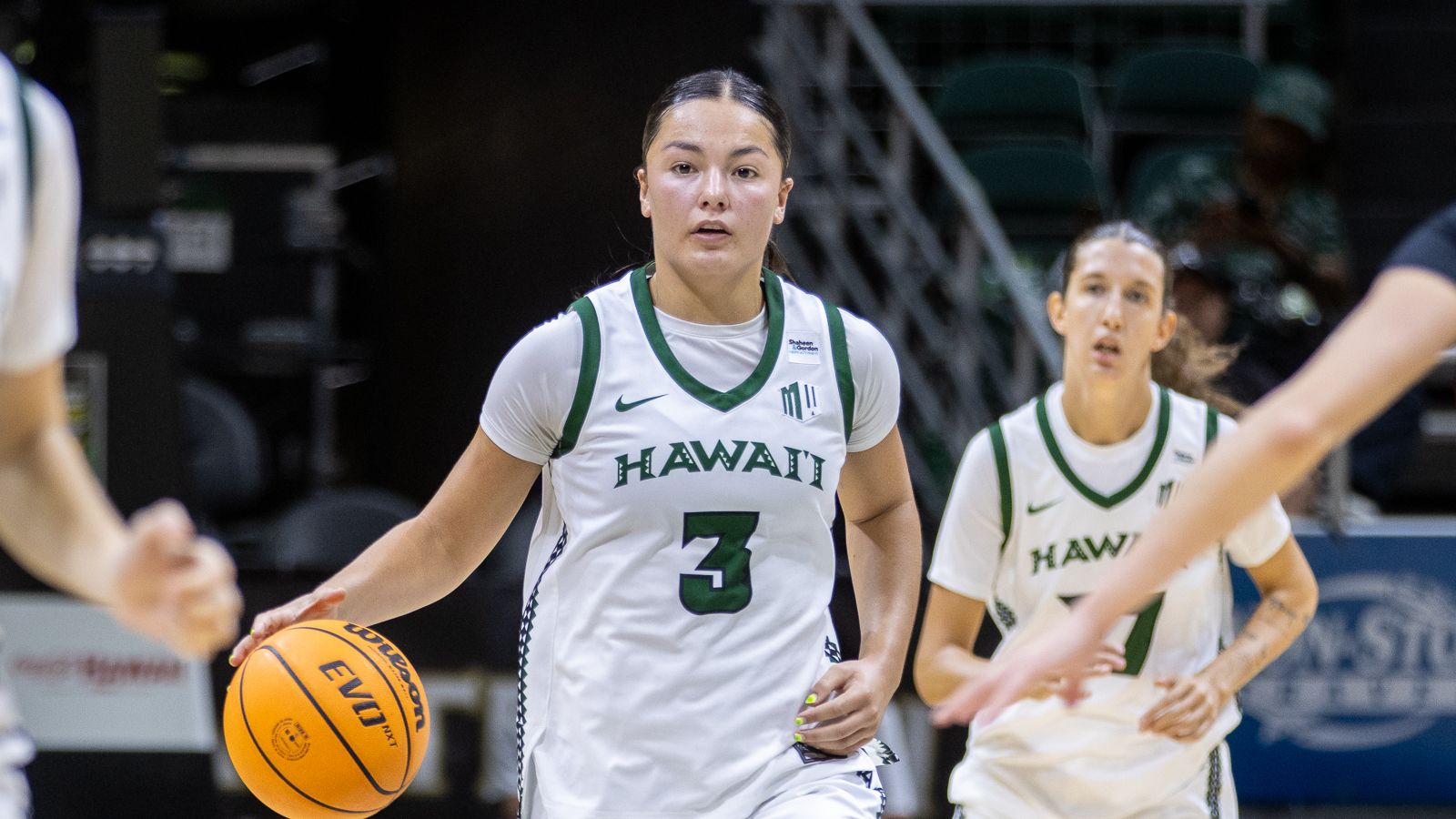
Hawai’i Rainbow Wahine Snap Losing Streak, Beat San Diego State 71-64
Honolulu — The Hawai’i Rainbow Wahine women’s basketball team snapped a three-game losing streak with a 71-64 win...