New York City has officially banned surveillance pricing, making it the second major U.S. city to prohibit the practice of using personal data to determine individual costs for goods and services.
The legislation passed the city council with a 44-5 vote on Thursday. This move joins a growing legislative backlash against algorithmic pricing models that use consumer behavior to adjust costs in real time. According to a statement from the council, the new law “is among the strongest surveillance pricing bans in the country.”
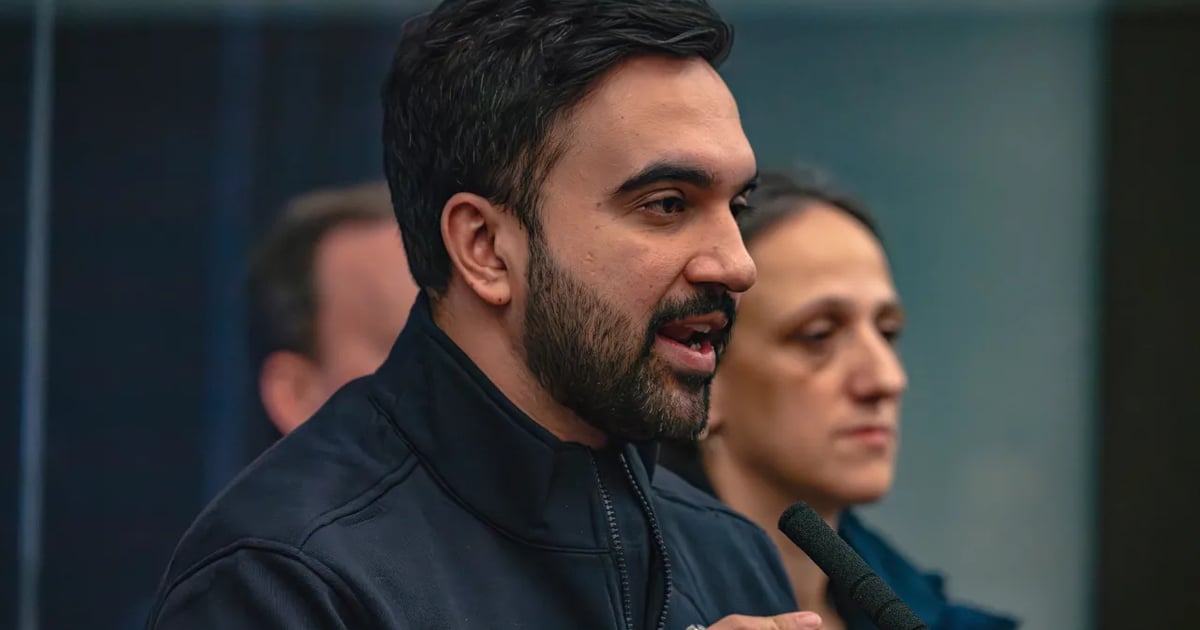
“Some companies use your personal data, like browsing history, to serve different prices to different customers. It’s called surveillance pricing, and we just banned it in New York City,” Mayor Zohran Mamdani said in a post on X.com.
The law, which takes effect in 120 days, defines surveillance pricing as any price set “completely or in part by algorithm that uses personal data to offer different prices to different customers for the same goods or services.” This definition targets the invisible digital footprints left by consumers—ranging from search history to location data—that retailers can use to gauge a customer’s willingness to pay.
While the ban targets algorithmic discrimination, it does not outlaw all forms of variable pricing. The legislation explicitly permits “bona fide discounts” and “rewards that are legitimate and transparent.” These include common retail practices such as buy-one-get-one-free deals, standard loyalty programs, and specific discounts for groups like veterans, active military, senior citizens, teachers, and students.
To enforce these rules, the NYC Department of Consumer and Worker Protection will have the authority to investigate complaints. Violators could face fines of up to $1,000 for each infraction. However, the city has included a provision for small businesses, allowing them to avoid penalties if they address and correct violations promptly.
The newly passed bill establishes a local standard that mirrors a trend across the United States. Seattle was the first U.S. city to implement a similar ban, and three states—Maryland, Connecticut, and New Jersey—have already passed their own restrictions. While the New York state legislature passed a similar ban earlier this year, Governor Kathy Hochul has not yet signed it into law.
The retail sector has reacted with concern. National and state-level industry groups argue that the restrictions could inadvertently drive up costs for everyone by limiting the tools companies use to manage inventory and competition.
Michael Durant, president and CEO of the Food Industry Alliance of New York State, criticized the move as counterproductive. He argued that the city’s decision to act independently of the pending state-level legislation creates unnecessary friction for businesses operating across borders.

“Frankly, this legislation does not address the issue of affordability, it worsens it,” Durant told Supermarket News.
Durant also pointed to the regulatory complexity caused by the differing rules between the city and the state. “The bills are similar but, we question why New York City needed to move this bill when the statewide bill is actively being discussed,” Durant told Supermarket News.
As the city prepares for the 120-day implementation window, the debate remains split between consumer advocates who see this as a victory for privacy and retail leaders who see it as an obstacle to modern commerce.
While the Federal Trade Commission is also examining the issue at a national level, New York City’s mandate will serve as a immediate litmus test for how algorithmic pricing is regulated in the nation’s largest consumer market.
Related reading

North Charleston Police Find No Weapon at Lowcountry Acceleration Academy
North Charleston police found no weapon on Wednesday morning after responding to a report of a firearm at...

Merrimack and Providence Face Off in Key Hockey East Series
Providence and Merrimack face off in a high-stakes Hockey East home-and-home series this weekend to determine which of...

Oregon National Guard Soldiers Lead Veterans Day Fitness Training
Three Oregon Army National Guard Soldiers led students through Army-style physical training at Crossler Middle School on Nov....

Ohio Leaders Honor 19 New Inductees into Ohio Veterans Hall of Fame
“The Ohio Veterans Hall of Fame gives us an opportunity to recognize the veterans whose service to Ohio...