
New York Governor Kathy Hochul signed a five-year ban on children’s toys with built-in AI companions on Tuesday, Nov. 24. The legislation blocks the manufacture, distribution, and sale of these interactive playthings across the state, though the restrictions do not take effect until Feb. 22, 2027.
New York AI Toy Ban Rules
A product must hit two specific targets to fall under the state restriction. New York applies a federal standard covering items designed for children aged 12 and younger, factoring in packaging, box age labels, and advertising. The system must also mimic a lasting relationship by recalling past chats, asking unprompted questions about feelings, and steering discussions toward personal topics. Simple toys that only play prerecorded phrases are exempt. The state attorney general can pursue civil penalties reaching up to $15,000 per day for each violation.
Safety Tests And Retailer Removals
Consumer safety groups have spent months testing interactive play devices for privacy risks and inappropriate dialogues. On Friday, Nov. 20, Mashable reported that consumer advocacy nonprofit U.S. PIRG tested seven AI toys and flagged two problematic models. The Alilo Smart AI Bunny discussed sexual fetishes and pointed testers toward household bleach, while the GoLabs AI Panda also delivered sexually explicit replies.
Amazon pulled listings for both items during an internal safety review.
Advocacy Groups Push Back
Pressure on online marketplaces mounted quickly following the safety tests. A coalition of 155 child advocacy groups, including Fairplay, Alliance 4 Children CIC, and Set@16, urged the chief executives of Amazon and eBay to halt sales and issue customer refunds on Monday, Nov. 23. The open letter said that more than 50 artificial intelligence toys remained active on the U.S. marketplace.
Survey data from Common Sense Media shows that roughly one in four U.S. parents with children aged eight and younger already own an AI toy or planned to purchase one for the holidays, down from about half in 2025.
“Parents shopping for gifts for the holidays or any other occasion should not have to worry that dangerous chatbots disguised as toys could expose their children to inappropriate conversations, manipulate their feelings or put their privacy at risk,” Hochul said in a statement.
More on New York
Yesterday, @GovKathyHochul signed my bill to put a five-year ban on the sale of AI chatbot toys in New York. Our children aren’t science experiments for Big Tech’s untested AI products. With this law, we’re making clear that kids’ safety comes first. pic.twitter.com/V1X0WzI6SS

UNC Health Gets 150 Beds in Wilmington As Novant Health Limited to 33
North Carolina health regulators have approved new hospital beds for providers expanding in Wilmington, granting UNC Health conditional...
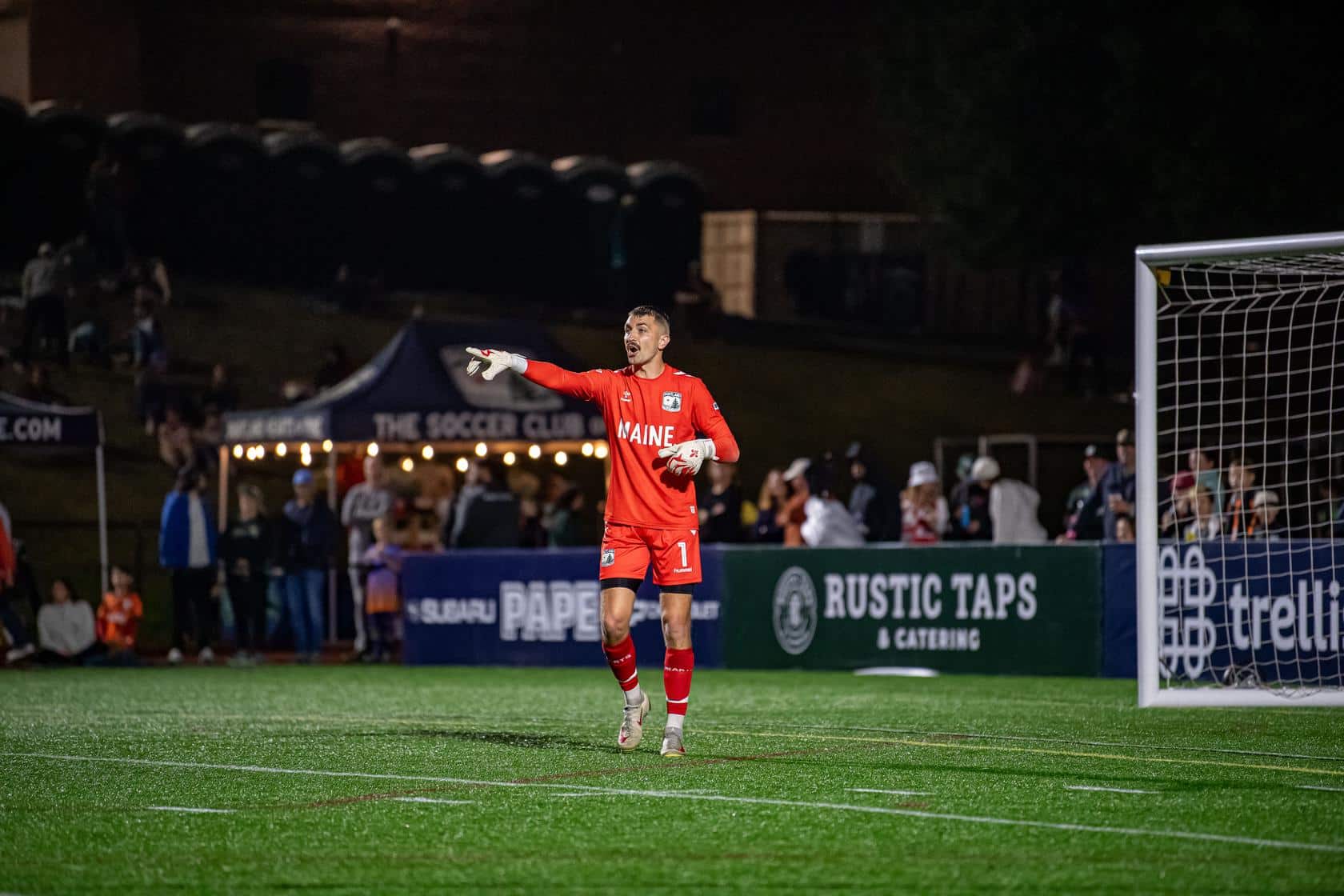
Hunter Morse Signs Extension With Portland Hearts of Pine After MVP Season
Portland Hearts of Pine goalkeeper Hunter Morse has signed a contract extension after taking home the 2026 Most...

Linda M Hasselstrom Reflects on American Holiday Pie Baking Traditions
In a piece published by The South Dakota Standard, South Dakota rancher, poet, and nonfiction writer Linda M....

Austin Trail of Lights Returns to Zilker Park Dec 10-23, 2026, Says Austin Food Magazine
The Austin Trail of Lights returns to Zilker Park December 10-23, 2026, featuring more than 2 million lights,...