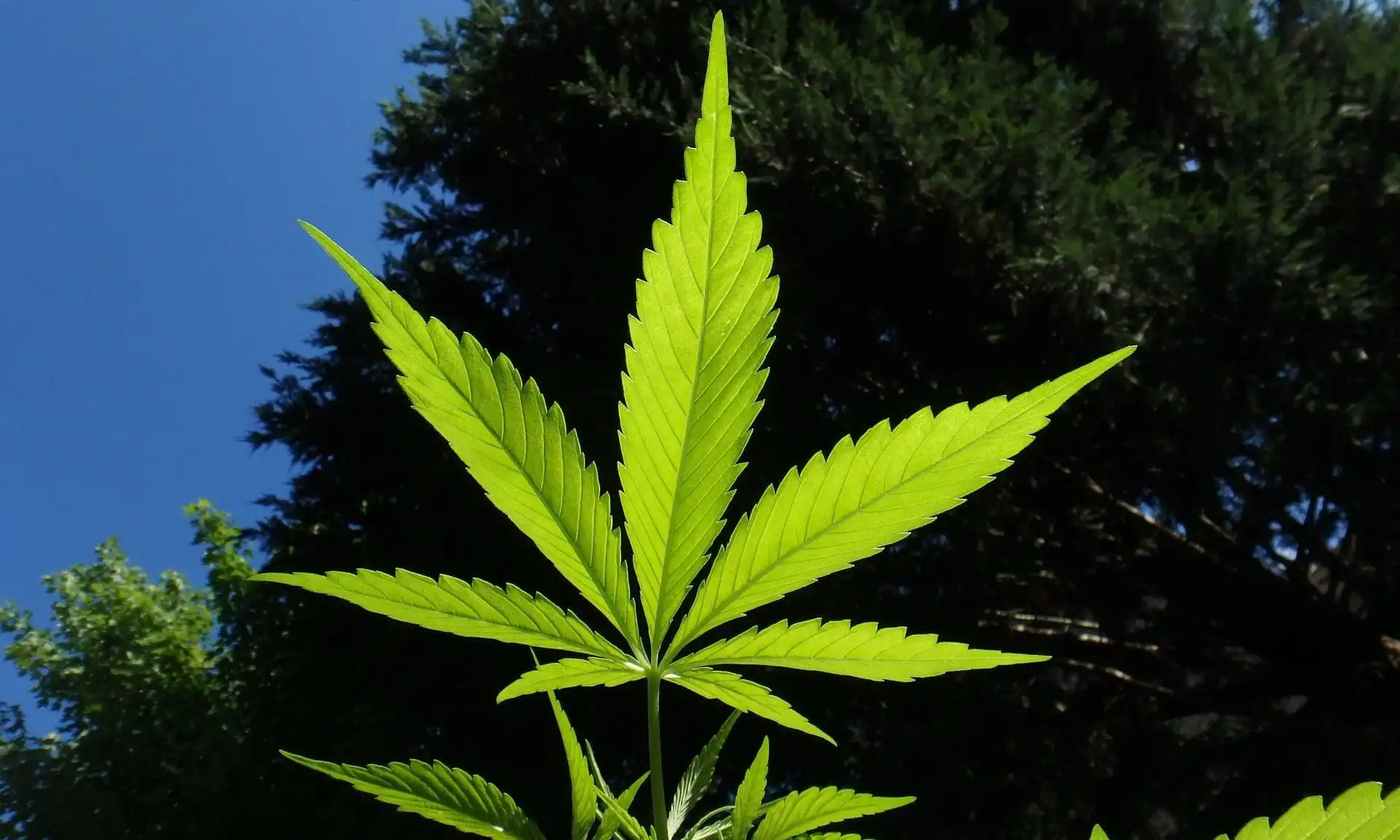
New York Legal Marijuana Sales Top Four Billion Dollars
New York Governor Kathy Hochul announced on Tuesday that the state’s regulated adult-use cannabis market has surpassed $4.1 billion in cumulative retail sales since legal commerce began in late 2022. The milestone arrives less than four years after the state’s first recreational dispensaries opened their doors, positioning New York third nationally in adult-use retail sales according to the governor’s office.
The $4.1 billion total includes almost $1.5 billion generated during 2026 alone, driven by third-quarter sales of $512.6 million that brought year-to-date sales to $1.41 billion. Figures released following a meeting of the state’s Office of Cannabis Management and reported by The Marijuana Herald show that New York now has 744 licensed adult-use dispensaries operating statewide, with 1,039 retail licenses issued and 2,351 total business licenses awarded across cultivation, processing, distribution, microbusinesses, and retail.
“When New York legalized adult-use cannabis, we made a promise to build an industry that is safe, fair and creates real opportunity for the communities hit hardest by decades of failed drug policies,” Gov. Kathy Hochul said in a press release. “Topping $4 billion in sales shows that promise is a reality.”
Social Equity and Market Expansion Efforts
State officials emphasize that social equity remains a core metric of the market’s design. According to the Office of Cannabis Management, 56 percent of adult-use marijuana licenses have been awarded to social and economic equity applicants, a category encompassing individuals and businesses qualifying under specific state provisions intended to repair damage from historical drug enforcement.
State data provided via the official governor’s announcement indicates that hundreds of licensed dispensaries now operate across New York. OCM Executive Director John Kagia noted the collaborative effort behind the figures.
“From the advocates and lawmakers who made this market possible, to the entrepreneurs who have built New York’s legal cannabis supply chain from the ground up, and the workers who show up every day to keep the industry’s engine running—this achievement belongs to them.”
Kagia said.
To support the expanding footprint of small operators, Governor Hochul recently signed legislation clarifying that marijuana microbusinesses can fully participate in cannabis farmers’ markets and pop-up events. This follows the OCM’s rollout of temporary event applications, expanding upon an existing showcase program first established in 2023. Additionally, the governor signed legislation revising zoning requirements for licensed cannabis businesses, offering increased operational flexibility for retailers located within designated distances of schools and places of worship.
Enforcement Actions Against the Illicit Market
Parallel to the growth of the legal sector, state authorities continue aggressive enforcement operations targeting unlicensed storefronts. According to figures from the governor’s office, enforcement teams have conducted 2,257 storefront inspections and closed or padlocked 738 illegal marijuana shops since the crackdown began. Authorities have issued 1,615 notices of violation and seized illicit products valued at approximately $276.9 million.
During 2026 alone, those efforts accounted for 352 inspections, 191 storefront closures, and the seizure of approximately $125 million in illicit products. Governor Hochul reiterated her administration’s commitment to protecting compliant operators from unlicensed competition.
Labor Policy Debates and Industry Concerns
Even as state officials celebrate economic milestones, friction persists regarding regulatory costs and labor policies. A coalition of New York marijuana businesses represented by the Cannabis Association of New York recently sent an action alert asking the governor to veto legislation that would establish a new Cannabis Wage Board.
The proposed board would be tasked with recommending minimum hourly wages specifically for industry workers. Trade association representatives argue the mandate would create significant uncertainty for operators who are only recently finding financial footing after navigating years of regulatory delays, capital constraints, and persistent competition from the unregulated illicit market.
Meanwhile, the Cannabis Control Board and the OCM intend to maintain focus on retail expansion, equitable licensing distribution, and enforcement.
Keep reading
New Siena Poll Shows Governor Hochul Widening Lead Over Blakeman
Hochul Widens Lead Over Blakeman to 14 Points as New York Voters Shift Dynamics Governor Kathy Hochul has...

Albany Police Announce Temporary Parking Restrictions Starting October 28
The Albany Police Department has announced a sweeping series of emergency no-parking restrictions across multiple city corridors starting...

NDSU Football faces injury list during Mountain West season
Griffin Empey Out as North Dakota State Faces Crucial Mountain West Stretch Griffin Empey is out for Saturday’s...

Disney+ and Hulu Bundle Promotional Savings and Monthly Costs
Watching St. Louis Blues vs. New Jersey Devils on Disney+ Sports fans face specific promotional pricing tiers and...