
New York state is forming an exploratory committee to bid for the 2042 Winter Olympic Games, aiming to split the event between New York City and Lake Placid.
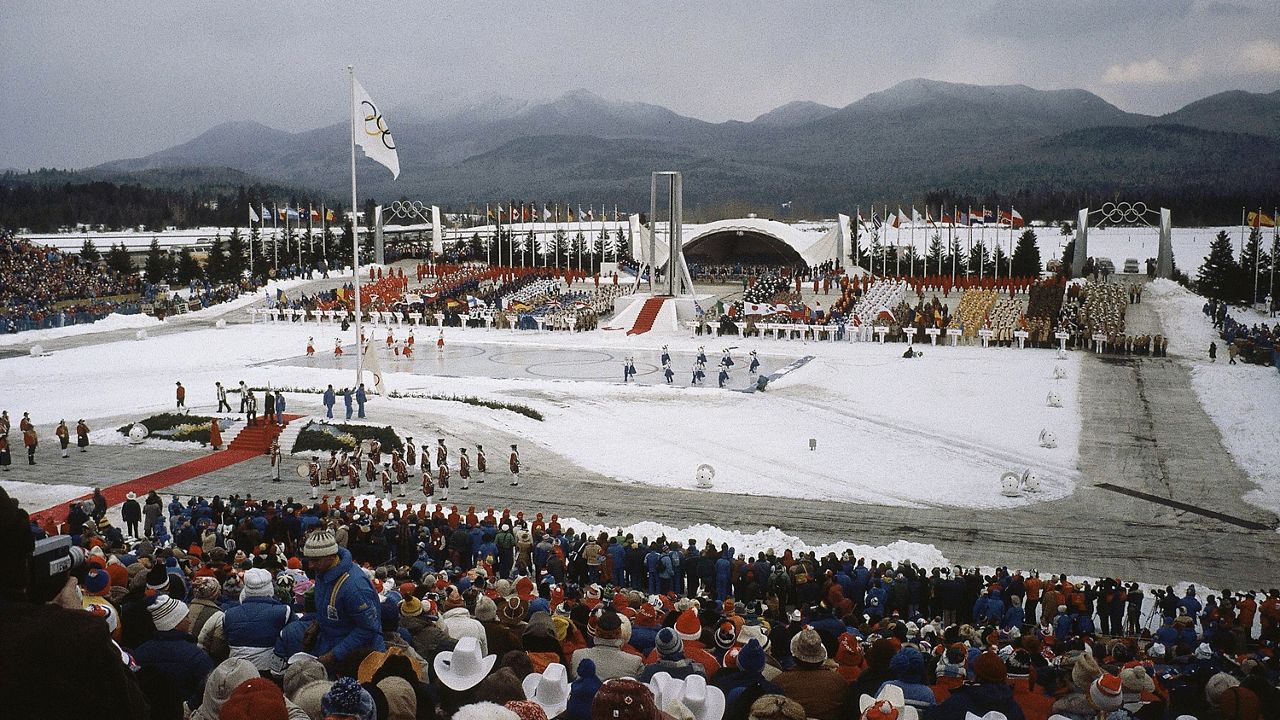
By pairing the “birthplace of winter sport in North America” with the most influential city on earth, state leaders believe they can create a ripple effect that reaches far beyond the primary venues.
The strategy of a multi-regional bid
The core of the proposal rests on a “reverberation” theory. Assemblyman Bobby Carroll, who recently observed the multi-regional approach used in the Milan and Cortina Winter Games in Italy, argues that Olympic visitors don’t stay confined to the stadiums. He noted that during the Italian games, tourists frequently traveled to other iconic hubs like Rome and Venice.
The goal for 2042 is to replicate that movement within New York. If the games are split between the city and the mountains, the state anticipates a massive surge in tourism that would benefit the towns, hotels, and small businesses located in the regions between the two anchors.
“The idea that we could host a Winter Olympics with the greatest city in the world and the birthplace of winter sport in North America would be unbelievable,” said state Assemblyman Bobby Carroll.
For New York City, the stakes are historic. Despite its status as a global capital, the city has never hosted the Olympics.
Using the Lake Placid legacy
Unlike some host cities, Lake Placid has seen massive investments to prevent its Olympic facilities from declining. The village has maintained its facilities since the 1980 games, ensuring they remain viable for athletes and tourists decades later.

Kathy Hochul emphasized that the state has already invested roughly $750 million into these facilities to prevent the decline often seen in former host cities. This existing infrastructure lowers the barrier to entry for a 2042 bid, as the state wouldn’t be starting from scratch in the North Country.
Olympic bid targets high-speed rail and infrastructure
The real value of a 2042 bid isn’t found in the medal counts, but in the “thoughtful infrastructure” that typically accompanies such a massive undertaking. The exploratory committee is tasked with figuring out how the games can solve systemic state issues, specifically regarding housing, workforce shortages, and green sustainability projects.
The most ambitious piece of this puzzle is transportation. Governor Hochul has explicitly linked the Olympic ambition to the need for a modernized rail system. The goal is to pressure Amtrak to increase speeds and implement true high-speed rail across the state by 2042.
If the state can use the Olympics as the deadline for high-speed rail, the benefit would be permanent. A faster connection between New York City and the Adirondacks via high-speed rail could bring tourism and benefits to the state.
Fiscal health risks challenge New York strategy
New York’s strategy includes utilizing Lake Placid’s facilities and focusing on infrastructure, such as housing and high-speed rail, to benefit the public.
As the exploratory committee begins its work, the central question remains: can New York coordinate a logistical feat of this scale without compromising its fiscal health, or is the promise of “reverberations” too optimistic a gamble for the state’s budget?

OKC Thunder face roster crisis after losing three key starters
The Oklahoma City Thunder are facing a sudden roster crisis after losing two key starters to severe injuries...
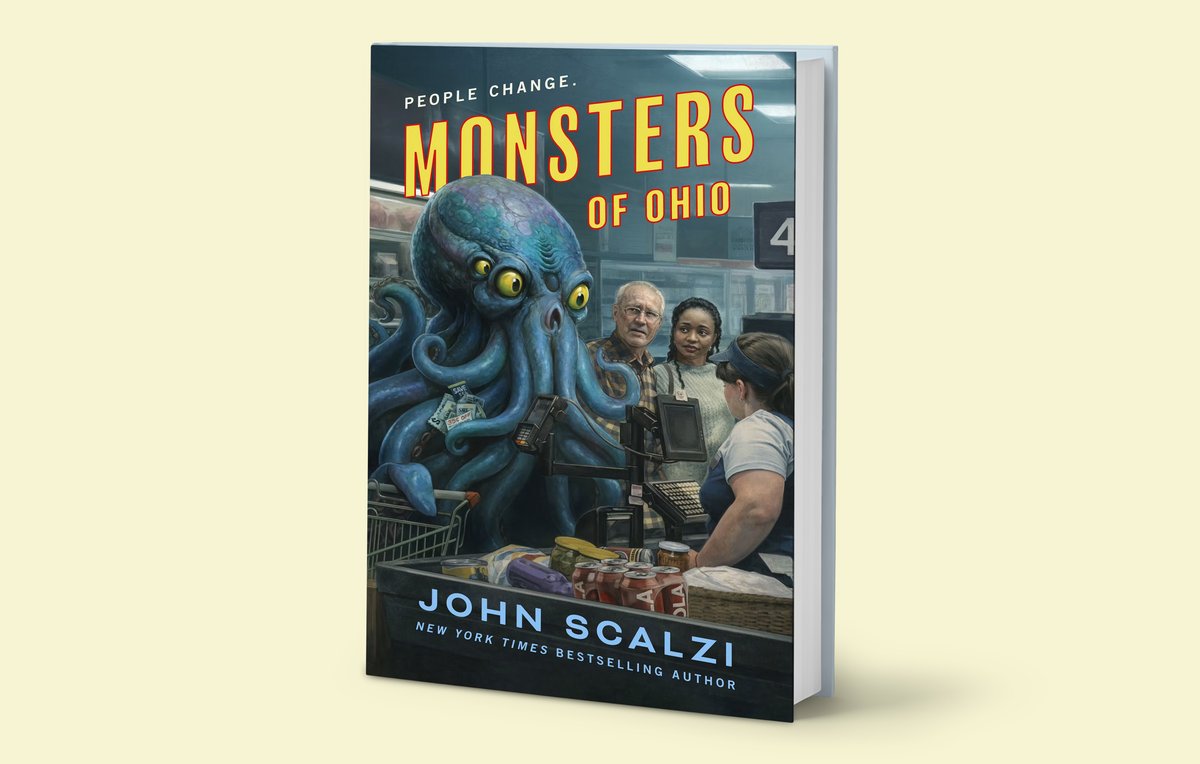
Interview with John Scalzi on Monsters of Ohio
John Scalzi is bringing "cozy Cronenberg" to the American Midwest in his 20th novel, Monsters of Ohio, a...

Judge Steven McCullough Retires From Cass County Courthouse
On his final Monday serving as presiding judge for the East Central District in the Cass County Courthouse,...

The Rink at Bank of America Winter Village operates as New York City’s largest free admission ice
Bryant Park Prepares for Winter Village Ice Skating Season in NYC The Rink at Bank of America Winter...