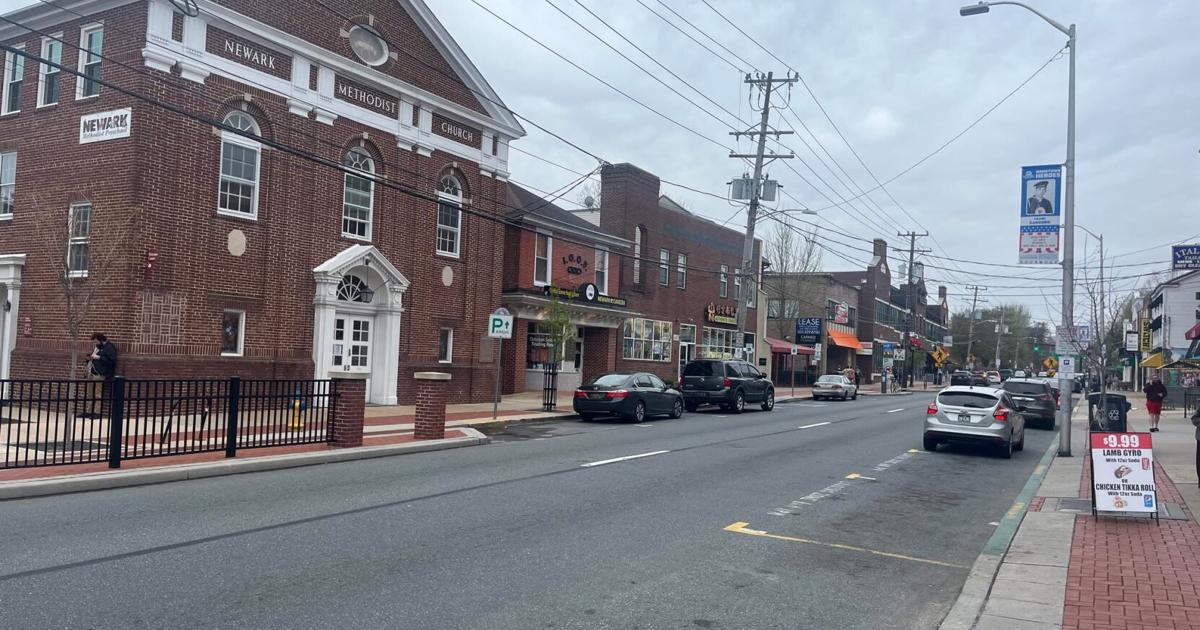
Newark homeowners face a 7.3% property tax increase next year, a decision finalized by the Newark City Council as the city addresses a widening budget gap.
The approved tax increase includes a $180 minimum tax, a measure designed to offset half of the estimated $360 the city spends annually on trash collection for each household. For a property with a median assessment of $366,200, the change translates to an additional $66.28 per year, or roughly $5.52 every month.
Beyond property taxes, residents will see an 8% increase in water rates, a rise attributed primarily to the costs of required chemical treatments. This, coupled with the tax hike, reflects the city’s struggle to manage both rising operational costs and aging infrastructure.
The path to this budget decision was not straightforward. Newark officials had explored the possibility of implementing a homestead exemption—a move that would have reduced assessed values by $50,000 for homeowners, effectively shifting more of the tax burden toward commercial and rental properties. However, the plan hit a legal wall.
According to Newark Solicitor Paul Bilodeau, language within the city’s charter, which may date back half a century, restricts such exemptions to $5,000 for individuals over 65 who earn less than $3,000 annually. To modernize this policy or implement a meaningful homestead exemption, the city would be required to secure a charter amendment from state legislators.
The city’s General Fund is currently operating at an $18.1 million deficit, a shortfall the municipal government has historically bridged using profits from its electric, water, and sewer utilities. With the current budget representing a $1.7 million increase over the previous year, the reliance on utility transfers remains a central point of debate for city leadership.
The financial pressure is expected to intensify as capital improvement needs grow. The city estimates its capital improvement bill will climb from $28 million this year to $55.7 million by 2028. Currently, $13.4 million of those projected costs lack a secured funding source, such as grants or state assistance.
To manage these immediate pressures, the council has opted to defer several capital projects, including street paving, which has been pushed into 2028. Other critical needs looming on the horizon include:
- The installation of a new electric substation.
- Ongoing projects to remove “forever chemicals” from the city’s water supply.
- Addressing a 3-5 year backlog in street maintenance.
- The potential replacement of the city’s aging parking kiosk system.
Council members are looking for alternative revenue streams to avoid further service cuts. Recommendations currently under discussion include the implementation of speed cameras, a new hotel tax, and formal requests for the state to allocate a portion of marijuana tax revenue to local municipalities. As projects continue to be delayed, the city faces a narrowing window to secure funding for its infrastructure requirements.
Related reading
- Justin Herbert and Madison Beer’s Relationship and Engagement
- Bengals vs. Commanders Predictions and Odds for NFL Week 11
- Economist Warren Hogan Predicts Slow Property Growth and Recession (world-today-news.com)
- Flagship London council’s huge cuts plan as households face 100% council tax rise (newsarchyuk.com)

Justin Herbert and Madison Beer’s Relationship and Engagement
Justin Herbert and his fiancée, Madison Beer, have moved from the sidelines of NFL games to the center...

Bengals vs. Commanders Predictions and Odds for NFL Week 11
The Cincinnati Bengals head to Northwest Stadium on Monday, Nov. 23, with a clear objective: proving their current...

West Virginia State Auditor, Office Employees Indicted in Theft, Fraud Investigation – WCHS
West Virginia State Auditor Mark Hunt and four of his office employees are facing federal charges following a...

Virginia Beach Man Sentenced to 25 Years for 2022 Fatal Shooting
Cameron Michael Mooty, 22, will serve 25 years in prison for the December 2022 shooting that left 18-year-old...