California Governor Gavin Newsom leaves office with the state’s homelessness population 20.3 percent higher than when he took the oath in 2019, despite a historic $40 billion state investment.
- Homelessness in California rose 20.3% from 2019 to 2025, reaching nearly 182,000 people.
- The state spent roughly $40 billion on homelessness and housing initiatives since 2019.
- 64% of California’s homeless population remains unsheltered, the highest rate nationally.
- 72% of registered voters disapprove of Newsom’s handling of the crisis, an October poll found.
Unprecedented spending, persistent crisis
Newsom assumed the governorship in 2019 as encampments proliferated, shelters overflowed, and overdose deaths climbed. He declared the crisis a personal calling and a solvable problem, adopting the principle that housing is healthcare.
“I don’t think homelessness can be solved. I know homelessness can be solved,” Newsom told state lawmakers in 2020. “This is our cause. This is our calling.”
His administration directed about $40 billion in state funds toward homelessness and affordable housing — more than any governor in state history, according to the nonpartisan Legislative Analyst’s Office. That spending came atop hundreds of millions in federal dollars already flowing to cities and counties.
The state added tens of thousands of shelter beds, transitional housing slots, and permanent units, many paired with counseling and food assistance, NPR reported.
Yet the most recent federal tally from the U.S. Department of Housing and Urban Development estimated nearly 182,000 people experiencing homelessness in California in 2025, representing nearly a quarter of the national total.
The 20.3 percent increase since 2019 outpaced growth in Texas but was smaller than spikes in Arizona, New York, Oregon, and Washington. Florida recorded a slight decline over the same period.
California’s unsheltered rate stands at 64 percent, the highest in the nation, driven by a deepening housing shortage and rising poverty.
Administration cites recent progress
Newsom points to preliminary state data showing a 6 percent reduction in overall homelessness and a 12.8 percent drop in unsheltered homelessness over the past two years. Those figures have not been verified by the federal government.
“We’re moving for the first time, quite literally in decades, finally, in the right direction,” Newsom said at a Marin County behavioral health campus opening in late October.
“No one is suggesting mission accomplished.”
The administration says it has added more than 792,200 housing units since 2019, including affordable and supportive housing. Newsom’s 2017 campaign pledge called for 3.5 million new units; a 2024 analysis estimated a remaining shortage of nearly 1.3 million affordable homes for low-income renters.

Political vulnerability and policy clash
As Newsom eyes a potential White House run, Republicans in Sacramento and Washington argue the “housing first” model — prioritizing housing without requiring sobriety or treatment — has failed. They contend taxpayer-subsidized housing is overly generous and that lax oversight enabled fraud.
A 2024 California State Auditor report found the state did not consistently track spending or outcomes and could not determine cost-effectiveness.
The Trump administration has launched a federal task force, led by First Assistant U.S. Attorney Bill Essayli, targeting homelessness fraud in California.
“This is the Trump administration weaponizing and politicizing their enemies,” Newsom said at the Marin County event.
Healthcare providers warn that shifting to a “treatment first” approach contradicts evidence. “Without stable housing, everything else just falls apart,” said Dr. Margot Kushel, an internist at Zuckerberg San Francisco General Hospital who cares for homeless patients.
Individual outcomes amid systemic strain
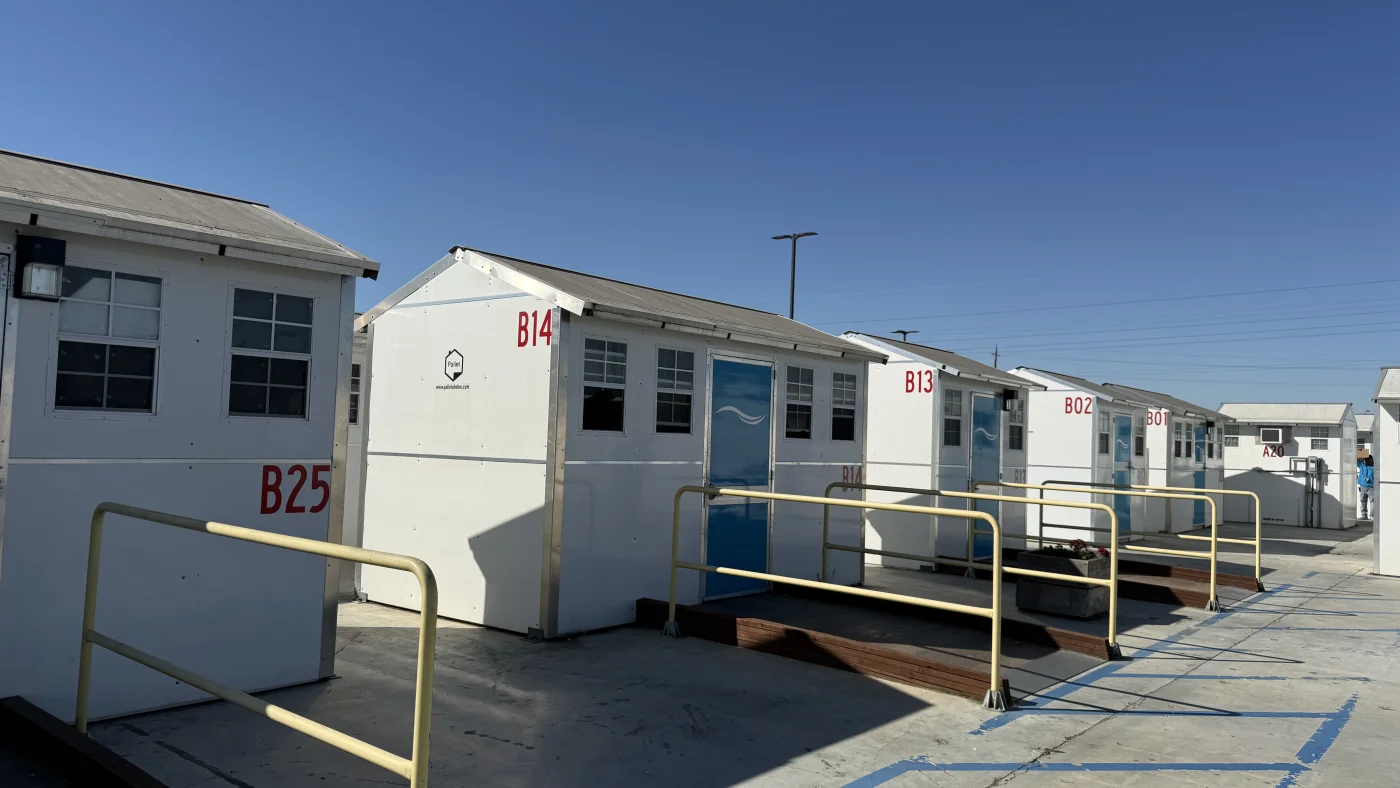
Cindy Rapp, who has experienced homelessness on and off for roughly a decade, was selected this year for temporary housing at a Sacramento tiny-home campus partly funded with state money, Angela Hart reported for KFF Health News.
Jade McQueen was couch-surfing and staying in shelters until she entered Covenant House, a San Francisco Bay Area residential housing program, which she credited with helping her achieve stability and get a job, Gabrielle Wuiel reported for KFF Health News.
National perspective on state efforts
Jeff Olivet, who led the U.S. Interagency Council on Homelessness during the Biden administration, said Newsom has enacted policies that have successfully housed people, but new people become homeless constantly and there are not enough places for them to go, Hart reported.
Service providers warn one-time state funding leaves programs unsustainable
Service providers say one-time state infusions stood up programs overnight but left them unsustainable. “To Newsom’s credit, he took over responsibility for a public health disaster that historically had been largely left up to cities and counties to tackle,” said Jonathan Russell, director of housing and homelessness services for Alameda County’s health agency. Cindy Rapp, who has been homeless on and off for a decade, entered a Sacramento tiny-home campus this year.
Being indoors helped her stop using meth and alcohol while receiving mental health treatment, she told KFF Health News. “Newsom has enacted policies that have gotten people successfully housed, but new people become homeless all the time, and the problem is we just don’t have enough places for them to go,” said Jeff Olivet, who led the U.S. Interagency Council on Homelessness during the Biden administration.
Worth a look
- Missouri Blows 20-Point Lead, Falls 34-31 to Oklahoma in Regular-Season Finale
- South Dakota Farmer Uses Dung Beetles to Fertilize Pastures
- Egypt’s Warraq Victims Aid Plan Draws Criticism Over Investment Certificates (archyde.com)
- Mapped: UK areas set to be lashed with heavy rain as Met Office issues yellow warnings (newsarchyuk.com)

Missouri Blows 20-Point Lead, Falls 34-31 to Oklahoma in Regular-Season Finale
Missouri blew a 20-point lead and lost 34-31 to Oklahoma on Saturday at Faurot Field, finishing the regular...
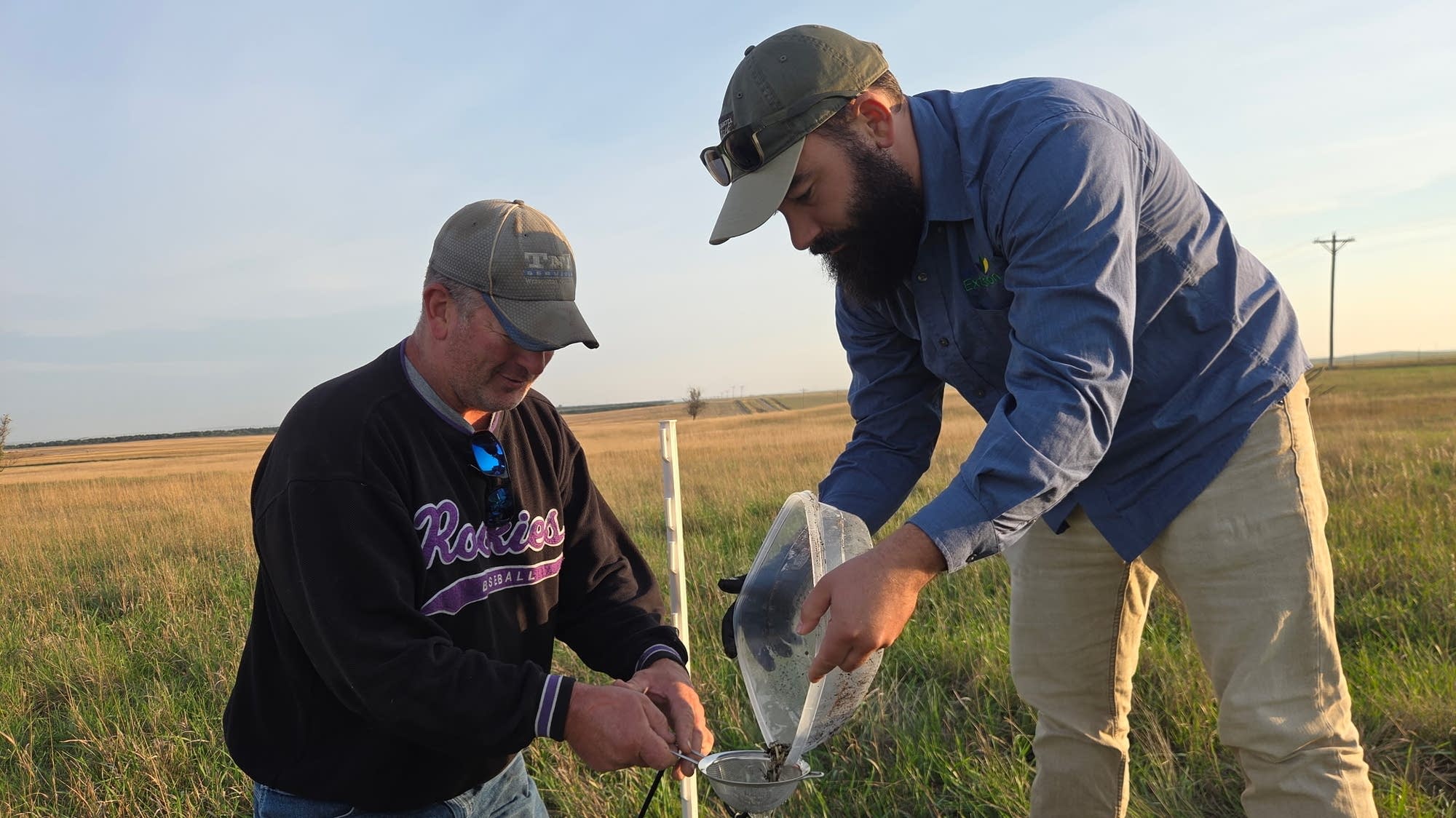
South Dakota Farmer Uses Dung Beetles to Fertilize Pastures
"I consider them one of the garbage disposals of the insect world," Patrick Wagner, entomology field specialist for...

Northeast Households Spent $91,698 in 2023, BLS Data Shows
Northeast households spent an average of $91,698 in 2025, nearly $10,000 above the national average, as housing costs...

Blackwell AI Racks Surface in China as Nvidia Faces Senate Scrutiny
Nvidia's most advanced Blackwell AI racks have turned up inside China, while the company faces a Senate hearing...