
Forecasters give a 60 percent chance that a subtropical or tropical system will form off the Southeast coast and affect the region through the weekend, the National Hurricane Center said Wednesday.
“This system could become a subtropical or tropical storm while it moves northward or northeastward near or just offshore of the southeastern U.S. coast through the weekend,” the center wrote in its morning advisory. “Regardless of development, strong winds, dangerous surf, and coastal flooding are likely along portions of the southeast and mid-Atlantic coasts into early next week.”
The timing threatens Thanksgiving travel along the South Carolina coast, where king tides and heavy rain are already in the forecast, The Post and Courier reported. WCSC-TV Chief Meteorologist Bill Walsh said computer models are splitting, with the American model tracking the low closer to the South Carolina coast than the European model.
“The chance is there for some rain and gusty winds along the coast Saturday and Sunday but we will have to monitor for better model agreement.”
Walsh wrote in an email update Wednesday.

Southern Florida has dealt with heavy rain and flooding since Tuesday, and CNN reported a multiday flood threat developing along the coast. The National Hurricane Center emphasized that hazardous marine conditions and coastal flooding will occur whether the system earns a name or not.
The National Hurricane Center traces its roots to a hurricane warning service established in Cuba in the 1870s by Father Benito Viñes; responsibility later shifted to the U.S. Signal Corps and Weather Bureau, moving from Jamaica and Cuba to Washington, D.C., in 1902.
The Jacksonville warning office relocated to Miami in 1943, and the Miami office began issuing annual season summaries in 1950. A National Hurricane Information Center opened in Miami on July 1, 1956, and the unit was referred to as the National Hurricane Center in 1965.
In 1973, the National Meteorological Center gained advisory duty for inland tropical depressions, and the World Meteorological Organization took over the Atlantic naming list in 1977. The center is now co-located with the Miami National Weather Service office on the campus of Florida International University.
The WMO designates it as the Regional Specialized Meteorological Centre for the North Atlantic and eastern and central Pacific, making it the clearinghouse for tropical cyclone forecasts in those basins.
The Atlantic hurricane season officially ends November 30, but late-season storms have formed in recent years when warm water and favorable upper-level winds align. Residents from Florida through the Carolinas should monitor local forecasts through the holiday weekend for changes in the track and intensity of the low.
Related reading

New Hampshire Fisher Cats’ “Space Potatoes” Identity Merges First Potato Crop With 1961 Hill Alien Abduction
The New Hampshire Fisher Cats, the Double-A affiliate of the Toronto Blue Jays, have adopted the "Space Potatoes"...

Marsha Geier, 71, Sioux Falls, Dies at University of Nebraska Medical Center
Marsha Geier, a nurse who spent 34 years at Mercy Medical Center in Sioux City and a grandmother...
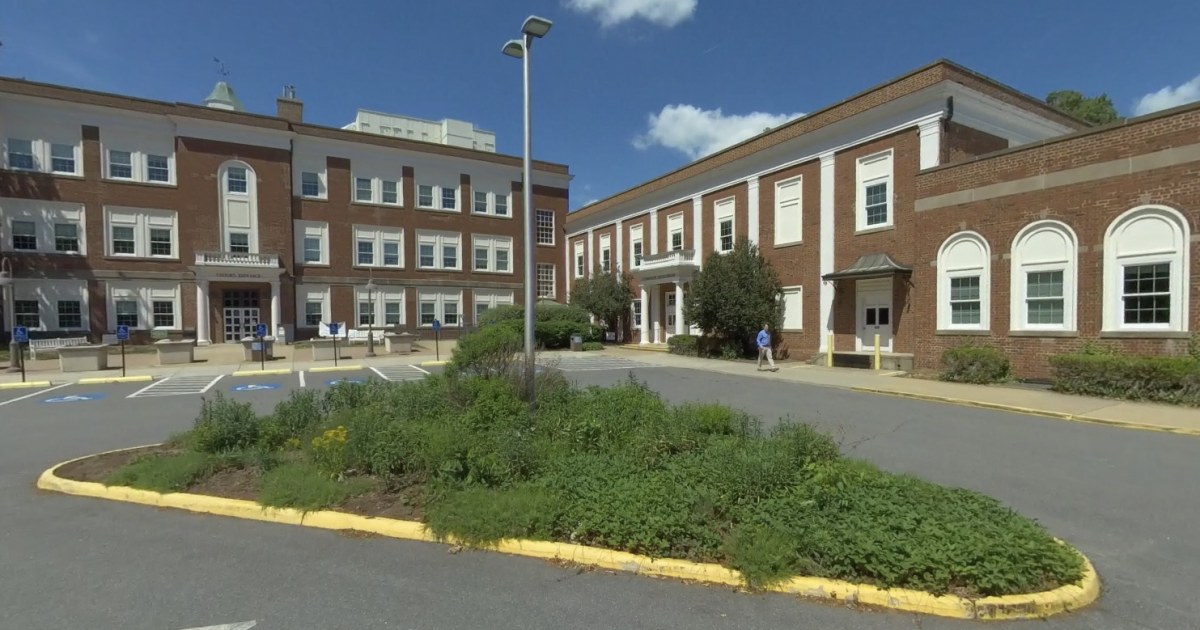
Va. Schools Close Through Thanksgiving Break After 500 Staff Missed Child Abuse Registry Review, Acting Superintendent Says
Albemarle County Public Schools announced Wednesday it would close all 29 schools through Thanksgiving break after discovering more...

Las Vegas Thanksgiving Restaurant Guide: Menus & Prices From $26 to $150
Thanksgiving dinner at a Las Vegas restaurant will cost anywhere from $26 to $150 per person this year,...