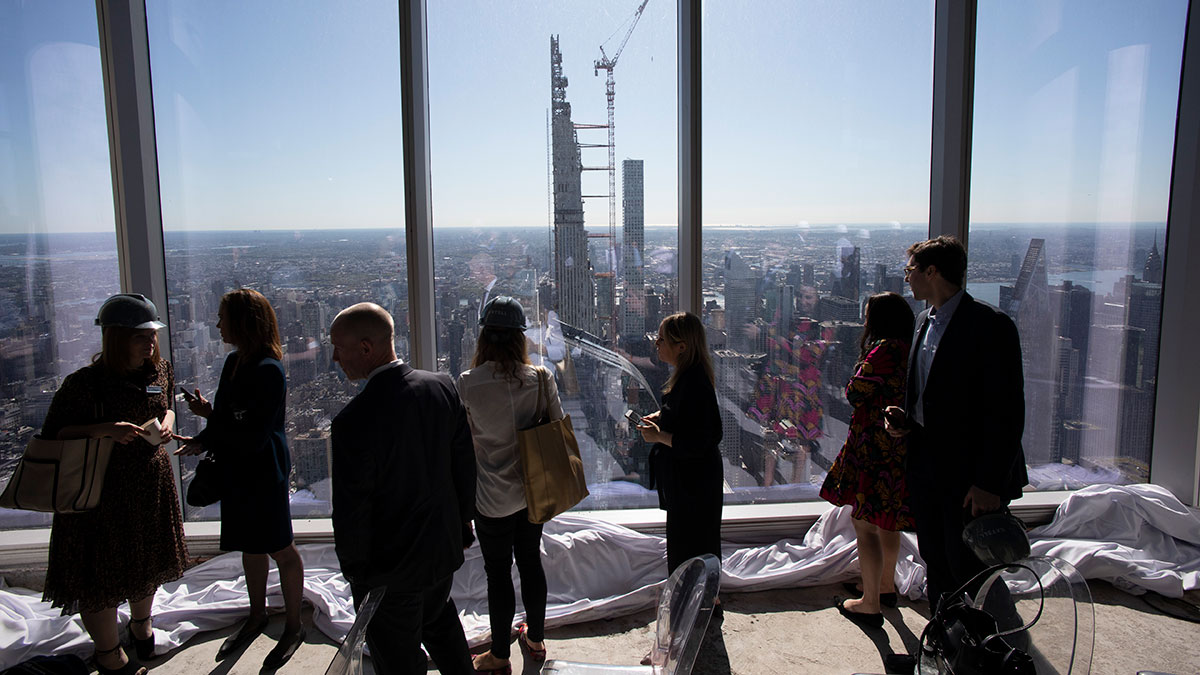
New York’s flagship government-owned grocery is slated for Park Avenue, a $30 million project Mayor Zohran Mamdani has promoted as a fix for rising food prices, City Journal reported.
The store, funded at taxpayer expense and paying no rent, will be run by a private operator required to pass savings to customers. But the arrangement removes a high-value parcel from competing uses — apartments, offices, or other stores that might employ thousands — while land-use restrictions elsewhere keep grocery sites scarce and expensive, according to the analysis by Adam Lehodey.
Even after a dip in the first quarter of 2026, retail theft still exceeds pre-pandemic levels, driving up security expenses and discouraging new market entrants.
A PLUTO database analysis cited by City Journal finds that only 42 percent of New York City rests on privately owned land subject to market forces. Another 24 percent is allocated to streets and rights-of-way, 16 percent to parks, 7 percent to tax-exempt institutions, and 10 percent to other public property including NYCHA housing and state and federal facilities.
A three-dimensional view shows 38 percent of the city’s total housing stock shielded from market exposure — 1,430,374 units subject to rent stabilization, taxpayer subsidies, or public housing designation.
Private owners use permitted capacity more fully: they are about 6 percent more likely to build to the maximum allowed, the analysis found. Rules make transfers difficult or impossible; even when they occur, constraints prevent prices from adjusting to new uses.
The 2023 Housing and Vacancy Survey found a median stabilized rent of $1,500 versus $2,000 for market-rate units, meaning the 62 percent in market units effectively subsidize the 38 percent in regulated units. When operating costs exceed revenue, landlords remove units from the market or declare bankruptcy.
On some of the nation’s most valuable land, about 30 percent of residents inhabit units with spare bedrooms, and only 63 percent of tenants pay on time. The agency faces an estimated $80 billion in needed maintenance and restoration, a figure likely inflated by weak accountability and corruption. In addition to capital costs subsidized at public expense, taxpayers shoulder the burden of land that could be developed more densely sitting idle.
At NYCHA’s Fulton & Elliott-Chelsea Houses, sitting on land worth $245 million, efforts are underway to redevelop more densely and add private units. Progress has been slow and impeded by legal battles. The agency could expand such developments or adopt a “right to buy” policy, as the United Kingdom did in 1980, allowing residents to purchase their homes from local councils and restoring market allocation while attracting private investment for upkeep.
State lawmakers including Julia Salazar want to reintroduce a bill enacting commercial rent stabilization citywide. Cea Weaver, appointed by Mamdani to head the Mayor’s Office to Protect Tenants, previously led an organization seeking to preclude housing from market forces entirely. Assembly member Claire Valdez, running for Congress, has called for universal rent stabilization — effectively placing the entire rental market under public control.
“Mamdani actually has the diagnosis backward: New York’s problem is not too much capitalism, but too little,” Lehodey wrote.
Keep reading

Clean Virginia: Virginia on Track for Fifth-Highest Electric Bills in 2026
Clean Virginia said Monday that Virginia is on track to have the fifth-highest residential electric bills in the...

Rising Costs Squeeze West Virginia Family Farms and Rural Economies
Rising costs are squeezing West Virginia family farms and the rural businesses that depend on them, with average...
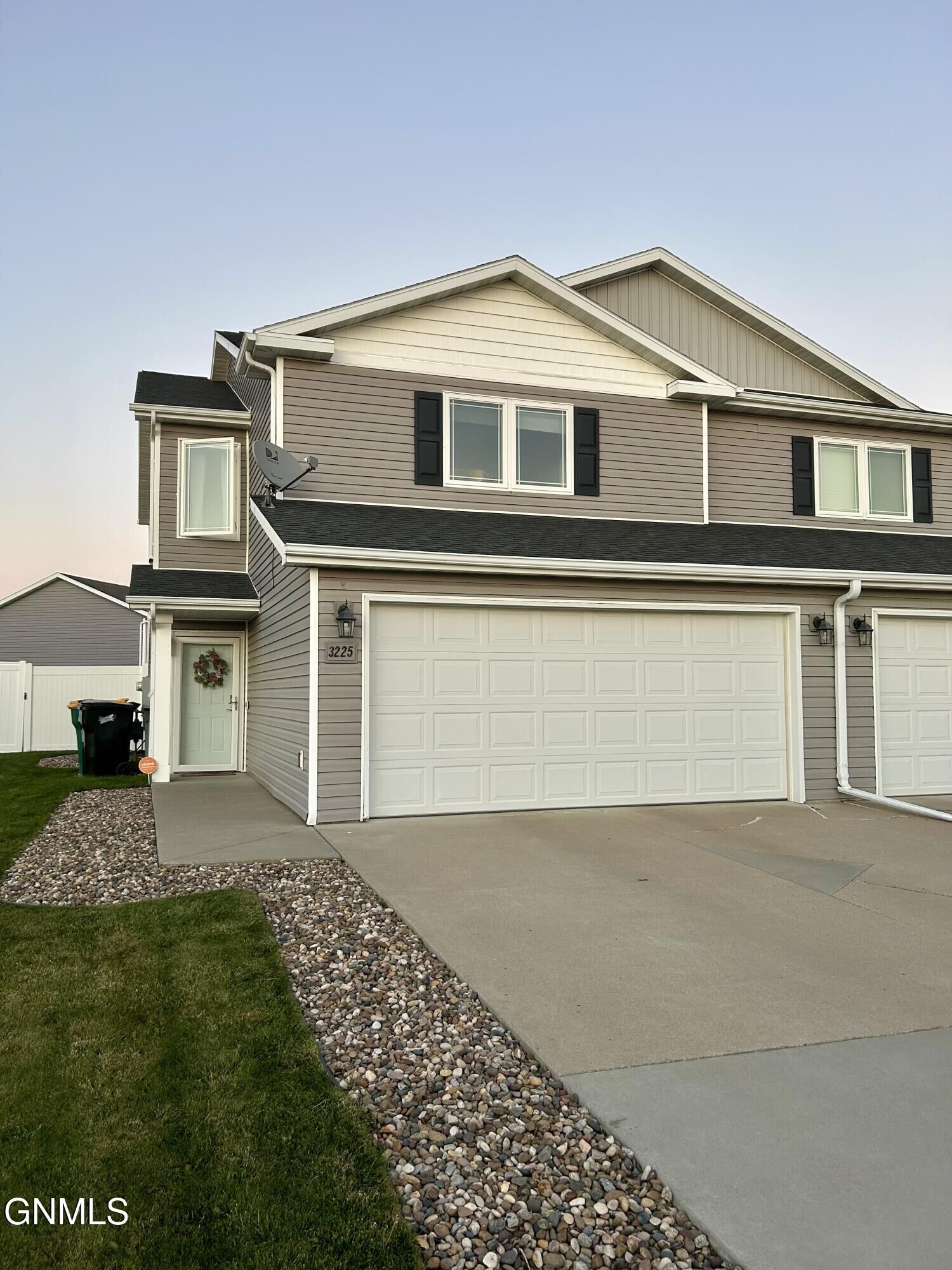
Bismarck Townhouse at 3225 Dortmund Drive Goes Pending at $320,000
A townhouse at 3225 Dortmund Drive in Bismarck moved to pending status with a contingency on October 20,...

Montlake Turkey Trot Returns Nov. 26 With All Proceeds Funding University District Food Bank
The 11th annual Montlake Turkey Trot returns to Seattle's Washington Park Arboretum on Thursday, November 26, with every...