
“Coastal flooding will be the biggest concern,” the Weather Prediction Center said in a forecast released Nov. 24.
A major nor’easter is forecast to bring soaking rain, powerful winds and significant coastal flooding to the eastern third of the country from Wednesday through Thanksgiving Day, NOAA’s Weather Prediction Center said.
The storm system off the Southeast coast will intensify Wednesday evening and track up the East Coast, the WPC said. Low-lying barrier island communities from Georgia and the Carolinas up through the Northeast face moderate to major coastal flooding for at least one to two high-tide cycles, AccuWeather reports.
The Carolinas and mid-Atlantic are forecast to receive 1 to 4 inches of rain, while southern New England could see 1 to 2 inches, the Weather Prediction Center said. AccuWeather senior meteorologist Alex Sosnowski said the rain can be heavy enough to cause flooding in poor drainage areas on streets and highways.
Coastal areas are forecast to see wind gusts exceeding 50 mph, with gusts over 45 mph reaching inland to the I-95 corridor and central Appalachians, the Weather Prediction Center said.
“Winds may get strong enough along part of the Atlantic Seaboard and the Appalachians to lead to sporadic power outages, which could be extra bad news for those preparing Thanksgiving meals,” Sosnowski said.
A narrow zone of heavy, wet snow is possible in the Midwest, assuming perfect conditions, AccuWeather said. A few inches of wet snow could fall around St. Louis and Springfield, Illinois, from Wednesday evening through Thanksgiving Day, Sosnowski said.
By Friday, parts of the Adirondacks, New England and the Midwest may see a change to a wet snow mix or snow showers on the storm’s backside.
The storm could become a “bomb cyclone” if its central pressure falls rapidly enough, meteorologists said. Nor’easters are large, intense areas of low pressure that typically develop off the East Coast during late fall, winter and early spring, the National Weather Service said.
The National Weather Service identified several notorious nor’easters from the historical record.
NOAA’s Weather Prediction Center, one of nine service centers under the National Centers for Environmental Prediction, serves as the hub for quantitative precipitation forecasting and medium-range forecasting three to eight days out, differing from local NWS offices that issue warnings and forecasts for specific counties.
The WPC also issues storm summaries on systems bringing significant rainfall and snowfall nationwide and acts as the backup office to the National Hurricane Center during communications failures.
Worth a look

North Dakota Elections Final After GOP Candidate Skips Recount in Fargo House Race
North Dakota legislative elections are final after Republican Jennifer Benson declined to request a recount in Fargo's District...
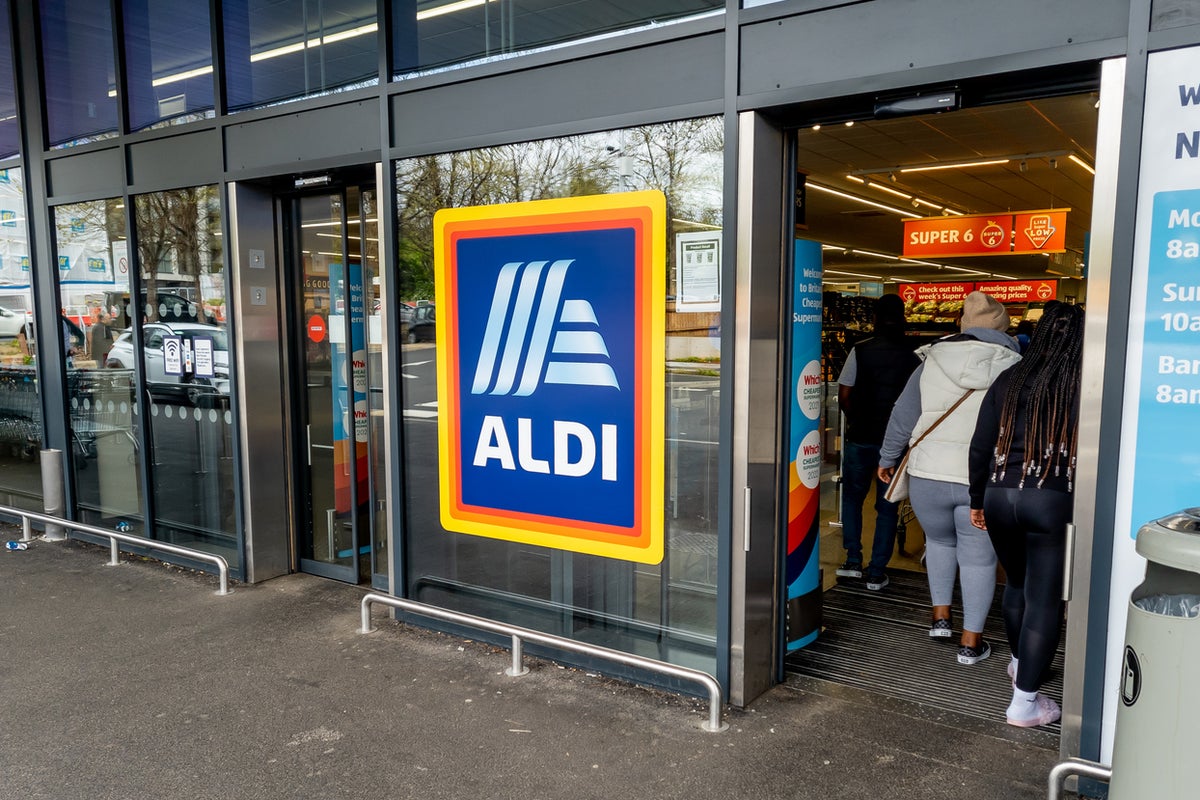
Aldi Overhauls Range to Widen Price Lead as Lidl Grows Sales Faster, FT Says
"Aldi is the only major supermarket where average prices are lower than a year ago," an Aldi spokesperson...

Northern Cheyenne President Declares Tribal Emergency Amid Leadership Dispute
Northern Cheyenne Tribal President Gene Small declared a state of tribal emergency on Nov. 23 and suspended normal...

Two Florida Men Indicted in Wire Fraud Scheme by U.S. Attorney
Two Florida men were indicted on federal wire-fraud charges Thursday as the Justice Department unveiled a nationwide surge...