
Northern Cheyenne Tribal President Gene Small declared a state of tribal emergency on Nov. 23 and suspended normal government operations after council members twice refused to attend specially called sessions, leaving the tribe unable to reliably process payroll, vendor payments and federal funding for fiscal years 2026 and 2027.
Small’s executive order took effect immediately and remains in effect until further written notice, according to NonStop Local Montana. The order cites disruption to the tribe’s financial, banking and administrative systems and prioritizes essential emergency services and winter assistance. Small said he has requested help from the Bureau of Indian Affairs, the FBI and the Interior Department’s inspector general.
The declaration follows weeks of missed council meetings amid a leadership dispute that escalated in September 2025, when eight council members voted to remove Small from office. Traditional chiefs subsequently called for those council members to be removed, creating competing claims of authority.
Court rulings have since determined the eight council members were wrongfully removed and that a later attempt to remove Small was invalid, though council members have challenged that ruling, NonStop Local Montana reports.

Small called a meeting for Nov. 13 that no council members attended, then called a special session for Nov. 17 to address general fund drawdowns for fiscal years 2026 and 2027, money from the tribe’s permanent fund and the tribal election. No council members appeared for that session either, according to NonStop Local Montana.
“We’ve been in this for a year. Everybody is sick and tired of it. Let’s come together and get this resolved. Let’s get back together and do what’s right for the people,” Small said in an interview with NonStop Local Montana.
Wisevoter, citing KULR-8 Local News reporting, confirmed the emergency declaration date of Nov. 23, 2026, and the suspension of normal operations through a written executive order effective immediately. The outlet noted the order was issued by a single official with no council votes or attendance at the two called sessions, and that tribal members may see delays or disruptions to payroll, vendor payments and federal funding while the order remains in place.
When the president and council will next convene and how the outstanding financial issues will be resolved remain unknown.
Related reading
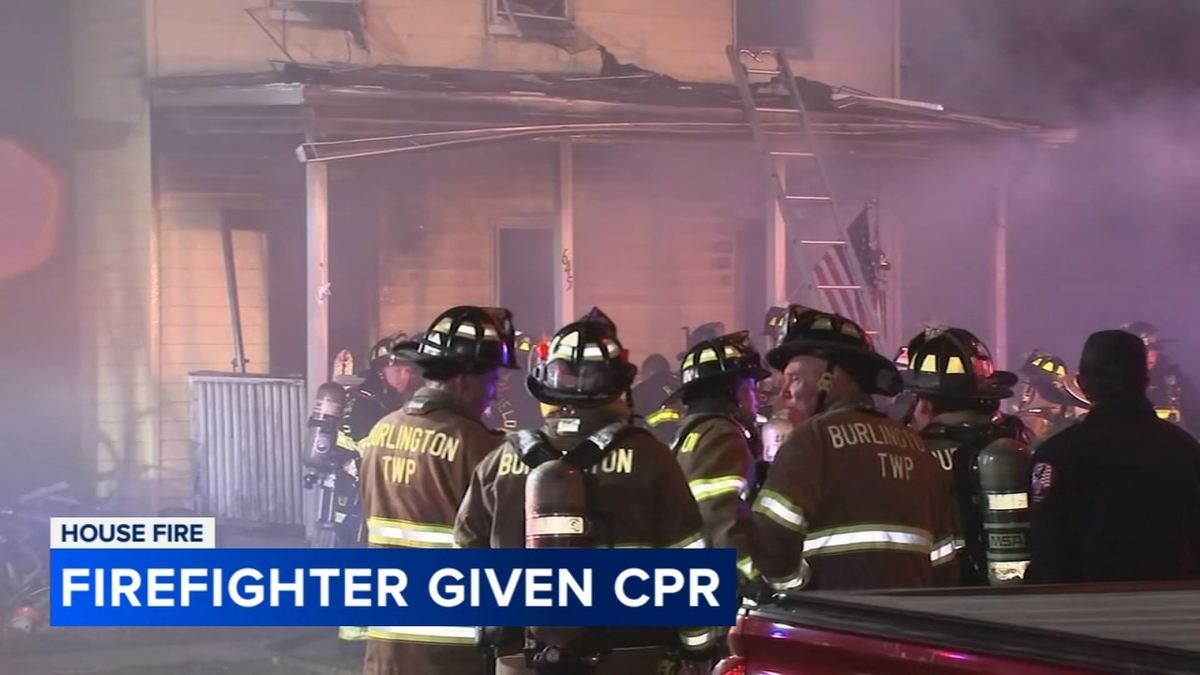
Firefighter Suffers Cardiac Arrest Battling 3-Alarm House Fire in Mansfield Township
A Mansfield Township firefighter collapsed and went into cardiac arrest while battling a three-alarm house fire late Monday...

Manchester City Host Napoli in Champions League; TV and Streaming Providers Listed
Manchester City host Napoli at the Etihad Stadium on Tuesday, 24 November, with kick-off at 20:00 UK time....

Review: The Great Departure Exposes Abuse, Oppression in Varanasi Drama
Pierre Filmon's The Great Departure presents a Varanasi-set drama that strips away romantic convention to expose domestic abuse...

Berkeley Voters Approve Measure AA to Double Soda Tax
Berkeley voters approved Measure AA in the November midterm election, doubling the city's tax on sugar-sweetened beverages from...