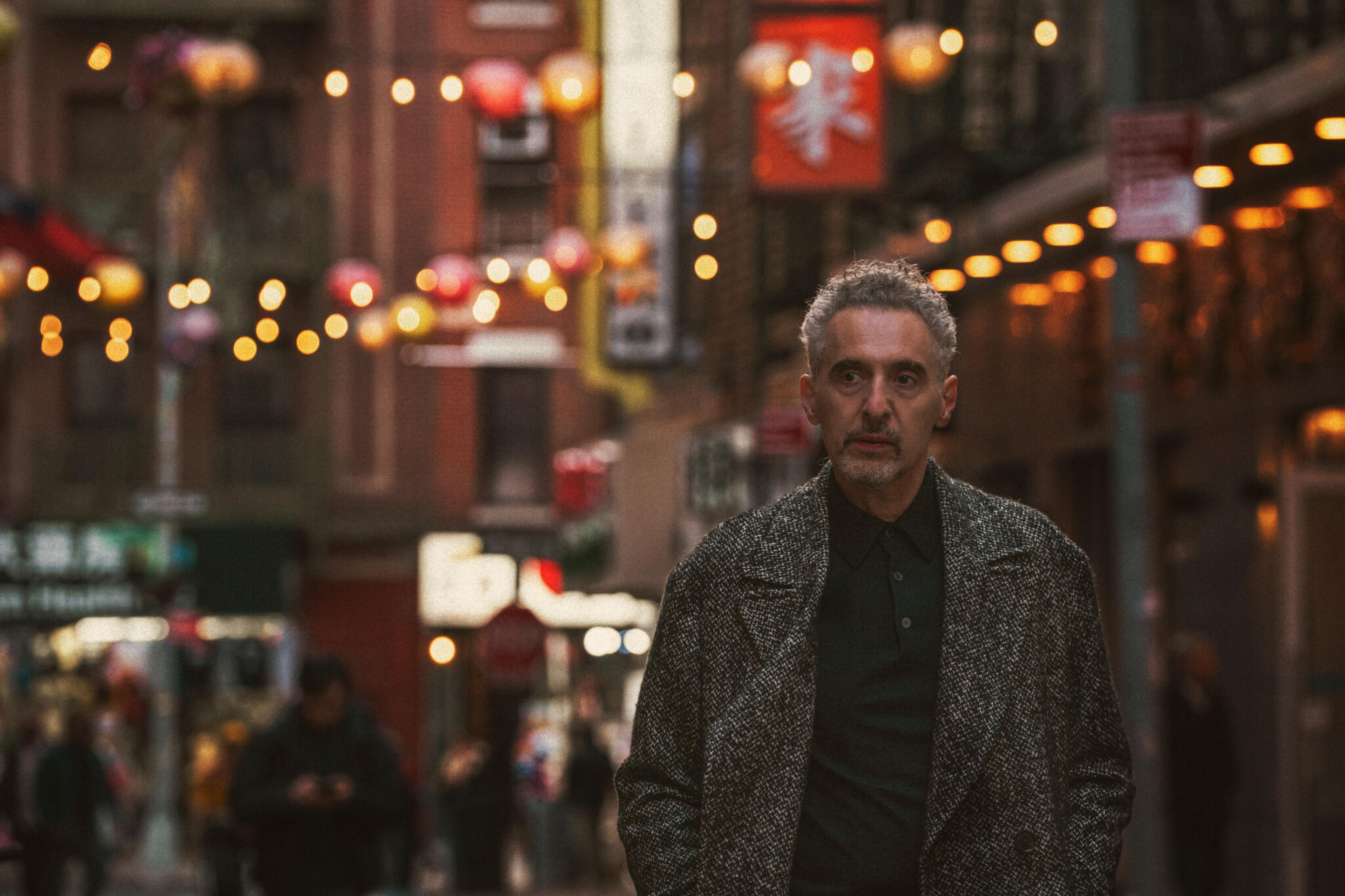
Writer-director Noah Segan is bringing a wistful, analog crime caper to the big screen with “The Only Living Pickpocket in New York,” a film that serves as both a character study and a love letter to the vanished era of 1990s independent cinema. Opening in theaters on Thursday, Oct. 29, the movie stars New York icons John Turturro, Steve Buscemi, and Giancarlo Esposito as small time crooks realizing that the world has passed them by.
The film functions as a deliberate throwback, not just in its storytelling but in its physical construction. Shot on 35mm film using vintage lenses originally utilized by Gordon Willis for “The Godfather,” the movie captures a New York City in a state of constant metamorphosis—a place where century-old architecture now houses Airbnbs and vape shops. It is a narrative about the friction between the tactile world of the past and the frictionless, jargon-heavy reality of the present.
Analog criminals in a digital city
John Turturro leads the film as Harry Lehman, a man who still makes a meager living lifting wallets and watches on crowded subway cars. The irony of Harry’s profession is the central tension of his life: he is a master of a craft in a world where people no longer carry cash. Harry spends his time doting on his bedridden wife in a pre-war Bronx apartment where the elevator is perpetually broken, symbolizing a life stuck in a loop of decay.
The plot pivots when Harry swipes a USB cryptocurrency locker from a wealthy, Ivy League-educated youth. This collision of worlds—the old-school street grifter and the new-school digital asset holder—propels Harry through all five boroughs in a single afternoon. While the plot mechanics are described as somewhat janky, the film prioritizes atmosphere over precision, focusing on the “irascible eccentrics” who populate the city’s fringes.
Director Noah Segan welcomes the New York audience to THE ONLY LIVING PICKPOCKET IN NEW YORK at #NYFF64! pic.twitter.com/yOApNqSCKv
Harry’s primary connection to the underworld is Steve Buscemi, who plays a grumpy pawn shop owner. The generational divide is highlighted within their own circles; while Buscemi’s character struggles to sell stolen microwaves for $40, his granddaughter has found far more lucrative success in the realm of online fraud.
The return of the New York character actor
For audiences familiar with the 1990s indie boom, the casting is a calculated salute to the muse-like relationship between the Coen brothers, Spike Lee, and their favorite New York stalwarts. Turturro, 69, delivers a performance that blends the madcap energy of “Barton Fink” with a softer, more romantic melancholy. One standout sequence features Harry disco dancing alone to Odyssey’s 1977 hit “Native New Yorker,” a moment of private joy amidst a fading existence.
The film also reunites Turturro with his “Do the Right Thing” counterpart, Giancarlo Esposito. Esposito plays a veteran police detective being forced into retirement. In a reversal of their typical cinematic roles, the cop and the criminal have spent so many decades circling one another that their antagonism has evolved into a mutual, tender affection. They are the last two men standing from a version of the city that no longer exists.
Noah Segan’s elegiac caper comedy is a loving throwback to a long-gone era of indie film, featuring a story of small time crooks realizing that the world has passed them by.

The cost of urban metamorphosis
Beyond the comedy of elderly men struggling with technology—such as mistaking the marketplace Etsy for something called “Estee”—the film addresses the psychological toll of gentrification and aging. It posits that the world becomes unrecognizable as we grow older, a transition that can feel like a slow erasure of one’s identity.
The “janky” nature of the plot mirrors the fragmented lives of the protagonists; they are not polished heroes, but remnants.
The production does encounter a brief stumble toward the end with a cameo from a “Hollywood royalty” actress who disrupts the carefully cultivated authenticity of the New York character actor ensemble. Yet, the film recovers its footing in its final moments.
The closing image of the movie is a gleaming skyline dominated by the One World Trade Center tower. It serves as a final, sharp reminder that while individuals like Harry Lehman may be left behind, the city itself is perpetually reborn, indifferent to the people it outgrows.

Pat McAfee says he hates University of Utah after ‘College GameDay’ video – LA Times
Pat McAfee Puts University of Utah in His Crosshairs After Social Media Video In a tense fallout that...

Franklin Web Printing Empowers The Contributor for Nearly Two Decades
For nearly two decades, a partnership has turned the act of printing a newspaper into a vehicle for...
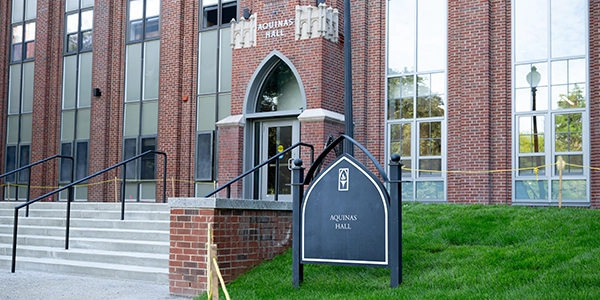
Aquinas Hall Undergoes Major Renovation at Providence College
Built in 1933 as Providence College's first residence hall and just the second building on campus, Aquinas Hall...

Green Bay Packers missed passing opportunities defined Week 7 game
A handful of missed passing opportunities defined the Green Bay Packers' Week 7 performance against the Detroit Lions,...