
Millions of registered voters in the United States frequently abstain from elections, creating a gap in representation that can decide the outcome of closely fought contests. In the 2024 national elections, 10 percent of registered voters—roughly 18 million people—did not cast ballots, according to Arnold Oliver, Professor Emeritus of Political Science at Heidelberg University in Tiffin, Ohio.
The mathematical weight of non-voting
The scale of voter abstention often outweighs the margin of victory in high-stakes races. In a closely contested election decided by two million votes, the 18 million registered citizens who stayed home represent a decisive block of untapped influence. This trend persists despite the historical cost of securing the franchise, which Oliver notes was won through struggle against autocratic royals and oligarchs who relied on violence to maintain power.
The stakes are not merely national. While the Electoral College’s winner-take-all system can make individual presidential votes feel negligible in certain states, local governance operates on much thinner margins. Votes for school, park, health and safety levies, and local offices often determine the immediate quality of life for residents.
“If your vote did not matter, they would not work to keep you away from the polls.”
Barriers to the ballot box
Cynicism toward the political class is a primary driver of voter apathy. Many citizens view politicians as narcissistic or corrupt, believing that all candidates are essentially the same. Oliver argues that while some politicians are indeed sociopaths, at least a third are reasonably honest and worth supporting, placing the burden of research on the voter to identify them.
Beyond psychological barriers, systemic hurdles actively discourage participation. These include:
- Onerous registration procedures that complicate the sign-up process.
- Long lines at polling stations.
- The influence of billionaire dark money in political campaigns.
- “Horse race” journalism that avoids issues.
- Polarizing negative advertisements designed by consultants to induce fear and cynicism.
The debt of the franchise
The right to vote in the U.S. was not granted uniformly. Women and minorities were excluded for long periods and faced sacrifice to achieve the voting franchise. By participating in elections, current voters exercise a right that previous generations paid for with their lives.

The claim that politicians in general are corrupt and “all the same” is countered by the visible differences between the two major U.S. political parties. Choosing not to vote does not result in a neutral outcome; rather, it enables the bad guys to maintain power by default.
With freedom comes the responsibility of civic maintenance. Voting serves as the primary mechanism to support those working to dismantle the very barriers—such as hate media and registration hurdles—that keep other citizens away from the polls.
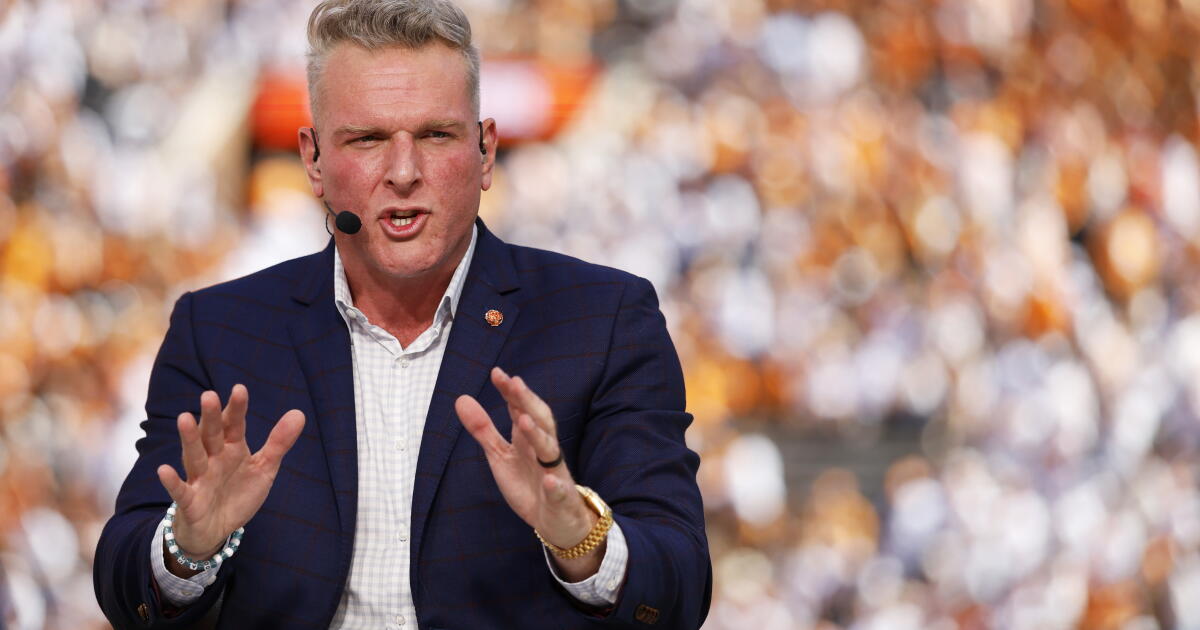
Pat McAfee says he hates University of Utah after ‘College GameDay’ video – LA Times
Pat McAfee Puts University of Utah in His Crosshairs After Social Media Video In a tense fallout that...

Franklin Web Printing Empowers The Contributor for Nearly Two Decades
For nearly two decades, a partnership has turned the act of printing a newspaper into a vehicle for...
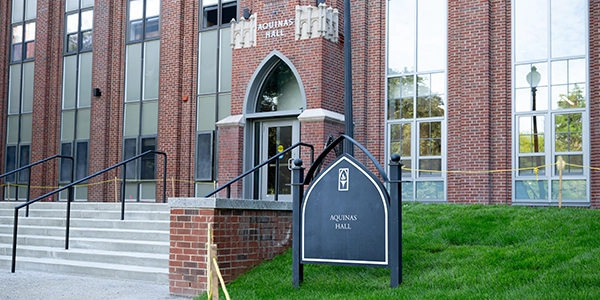
Aquinas Hall Undergoes Major Renovation at Providence College
Built in 1933 as Providence College's first residence hall and just the second building on campus, Aquinas Hall...

Green Bay Packers missed passing opportunities defined Week 7 game
A handful of missed passing opportunities defined the Green Bay Packers' Week 7 performance against the Detroit Lions,...