North Dakota received $206 million in a second round of federal funding for the Rural Health Transformation Program, building on the $200 million awarded last year. The state secured the largest dollar increase of any state in the nation for this year’s award.
North Dakota’s Year 2 funding of $206 million was announced as part of a $10 billion federal investment for all 50 states. The state received the largest dollar increase from Year 1 to Year 2 of any state, securing more than $206 million from the Centers for Medicare & Medicaid Services (CMS), an increase of $7.44 million, or 3.74%, over its nearly $199 million Year 1 award, the North Dakota Department of Health and Human Services reported.
What are the funds for?
The funds are part of the Rural Health Transformation Program (RHTP), a $50 billion initiative authorized by the One Big Beautiful Bill Act to support rural communities in every state. The University of North Dakota Center for Rural Health is managing the awards to sub-grantees.
How is the money being used?
Funds from Year 1 have gone toward expanding opportunities for medical residents to complete their residencies in rural areas and expanding pathway programs for middle and high school students. These programs connect students from rural communities with training and shadowing experiences, as college and medical school admissions increasingly look for such experience.
“Not everyone has that opportunity, so that’s one of the things we’re looking at,” said Jacob Warren, Center for Rural Health Director. “How do we give students those opportunities who don’t necessarily have them locally?”
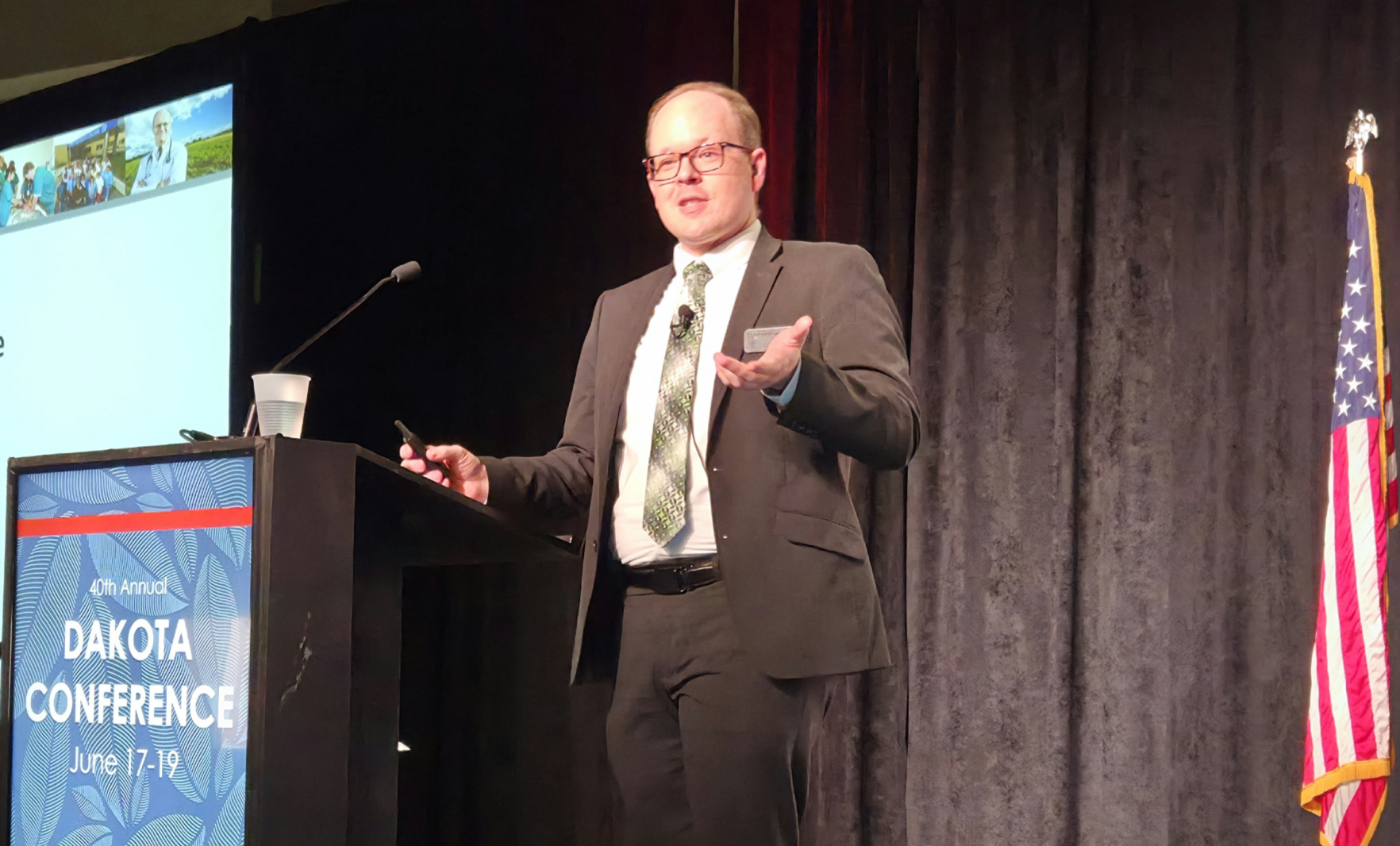
Money is also funding an online community health worker training program. To become certified, individuals may need to complete a 200-hour internship, and the center will help them find placements, Warren said.
What is the goal of the program?
The funds are focused on sustainable impact, Warren said. They are meant to act as seed funding to get programs running or to make sustainable changes, like purchasing equipment such as an MRI machine. The funds are focused on sustainable impact, Warren said.
“It creates this amazing unprecedented opportunity to take a step back and say, ‘At this moment we have the funds we need to do a lot of these things that we know need to be done in the state,’” Warren said.
Kelly Armstrong said. Kelly Armstrong. “We’ve listened, learned and strengthened how the program operates.”
“Receiving the largest funding increase of any state in the nation is a strong sign we’re headed in the right direction,” he said. “Now we’re focused on putting those investments to work and making a real difference for North Dakotans.”
What’s next for North Dakota?
“We’re in the home stretch, final stretch,” he said. “This $206 million award builds on the progress North Dakota has made so far under the Rural Health Transformation Program and will unlock more opportunities to build a continuum of care across our state,” said Senator John Hoeven. “Rural hospitals are essential to our communities, and the Rural Health Transformation Program is an investment in their future,” said Senator Kevin Cramer.
“The Trump Administration’s $50 billion Rural Health Transformation Program gives states the resources and flexibility to bring care closer to home and build stronger, more sustainable health care systems for their rural communities,” said CMS Administrator Dr. Mehmet Oz. “As the program enters its second year, this next round of funding will help North Dakota build on the progress made in Year 1 and continue working toward lasting improvements in access, quality, and health outcomes for rural communities.”
“North Dakota has taken a thoughtful, strategic approach to making the most of this historic investment in rural healthcare,” said Gov. Kelly Armstrong. “We’ve listened, learned and strengthened how the program operates.”
“We accomplished a lot in our first year, and we’re building on that momentum to bring even more expertise and resources to the table,” said HHS Commissioner Conner Swanson. Now we’re focused on putting those investments to work and making a real difference for North Dakotans.”
Related reading

Louisiana Menhaden Season Ends, Supports 2,000 Jobs and Family Ties
Louisiana's menhaden fishing season ended Nov. 1 when the last boats tied up in Empire and Abbeville, closing...

Eugene Airport Overstated Economic Impact of $450M Expansion With Double Counting, Report Finds
Eugene Airport officials overstated the economic benefits of a proposed $450 million expansion by combining overlapping measures that...

Brew Crew Ball: Brewers’ Senzatela Deal Has Up to $3M in Start Incentives
The Milwaukee Brewers re‑signed right‑hander Antonio Senzatela to a one‑year contract for 2027 that includes up to $3 million...

Job Outcomes Drive Enrollment Surge at Maritime, Aviation, Nursing Schools
Students and families are choosing colleges based on proven job placement and earnings data, driving enrollment surges at...