Northbay Health has officially established its first Internal Medicine Residency Program, a move designed to train the next generation of physicians within the diverse communities of Solano County and the surrounding region. The program aims to prepare residents for a rapidly changing medical landscape by emphasizing clinical depth, adaptability, and the ethical integration of emerging technologies. By focusing on both inpatient and ambulatory medicine, the initiative seeks to create a continuum of care that addresses population health and long-term patient relationships.
The program is structured around small, highly focused cohorts, with ten residents admitted to each class. This limited size is intended to facilitate close faculty engagement and provide individualized learning opportunities. Through an academic affiliation with Touro University California, Northbay Health residents will participate in a broader community of scholars and health professionals, integrating scholarship and quality improvement into their daily clinical training.
As the medical field evolves, the curriculum places a specific emphasis on the intersection of technology and patient care. According to Northbay Health, residents will be trained to engage with new clinical tools while critically evaluating their limitations and the ethical implications they pose to clinical decision-making. This approach aims to build physicians who are not just practitioners, but leaders capable of navigating the complexities of modern healthcare.
Training Models and Regional Medical Education
While Northbay Health is establishing its inaugural class, other established institutions provide a template for how residency programs impact regional medical ecosystems. For instance, the Jacobs School of Medicine and Biomedical Sciences at the University at Buffalo utilizes a large-scale model to provide wide-ranging experience. According to reporting from medicine.buffalo.edu, their program leverages a diversity of training sites, ranging from large hospitals to small clinics, to develop adaptable clinical skills.
𝗡𝗘𝗪 𝗜𝗡𝗧𝗘𝗥𝗡𝗔𝗟 𝗠𝗘𝗗𝗜𝗖𝗜𝗡𝗘 𝗥𝗘𝗦𝗜𝗗𝗘𝗡𝗖𝗬 𝗣𝗥𝗢𝗚𝗥𝗔𝗠 𝗔𝗟𝗘𝗥𝗧! Great opportunity for Residency Applicants, including IMGs! NorthBay Health in Northern California has launched its ACGME-accredited Internal Medicine Residency Program, offering 10… pic.twitter.com/Fr3v10F6WB
The differences in scale between these programs highlight the various ways medical education can serve a community. While Northbay Health focuses on a smaller, more intimate cohort to foster specific intellectual character, larger programs like those at the University at Buffalo emphasize volume and diverse rotations. The Buffalo-based program, for example, sees a significant portion of its graduates remain in the local area; medicine.buffalo.edu reports that more than 50 percent of their residents enter practice or academic careers in the Buffalo region after completion.
Educational standards and faculty roles remain a central pillar across these different models. At the University at Buffalo, faculty members are ABIM-certified, clinically active physicians who provide direct observation and feedback at the bedside. The institution also maintains a commitment to formalizing teaching expertise through a Faculty Educator Program, ensuring that curriculum revisions are driven by resident feedback and exam performance.
The stakes for these programs extend beyond the classroom and into the economic and social stability of the regions they serve. By training physicians locally, health systems can address specific demographic needs and bolster the healthcare workforce. The ability of a residency program to retain its talent—as seen in the Buffalo model—serves as a primary indicator of both the quality of training and the professional satisfaction offered by the surrounding community.
For those entering the field, the choice of residency often dictates the trajectory of their specialized career. At the University at Buffalo, more than 60 percent of residents proceed to fellowships, with approximately 45 percent matching to fellowships specifically within the University at Buffalo system. This creates a pipeline of specialized expertise that feeds directly back into the local medical infrastructure.
Northbay Health is seeking a specific profile of physician to help shape its new culture: individuals who are described as curious, reflective, and collaborative. As the inaugural classes begin their work, they carry the responsibility of establishing the intellectual foundations of a program that will eventually serve the Solano County region for decades.
Worth a look
- Oldest Louisiana Creole recordings found in Indiana archive
- No. 11 Louisville wins 84-70 over Chattanooga in Flory Bidunga debut
- The Paycheck Protection Program was created to save American jobs, not to enrich those who aren’t (world-today-news.com)
- Lifestyle Program Achieves 54% Type 2 Diabetes Remission in Young Adults (archyde.com)

Oldest Louisiana Creole recordings found in Indiana archive
Rediscovered Aluminum Discs Yield Oldest Known Recordings of Louisiana Creole More than 90 years after a linguist carried...

No. 11 Louisville wins 84-70 over Chattanooga in Flory Bidunga debut
Flory Bidunga dominates debut as No. 11 Louisville holds off Chattanooga 84-70 Flory Bidunga scored 16 points in...
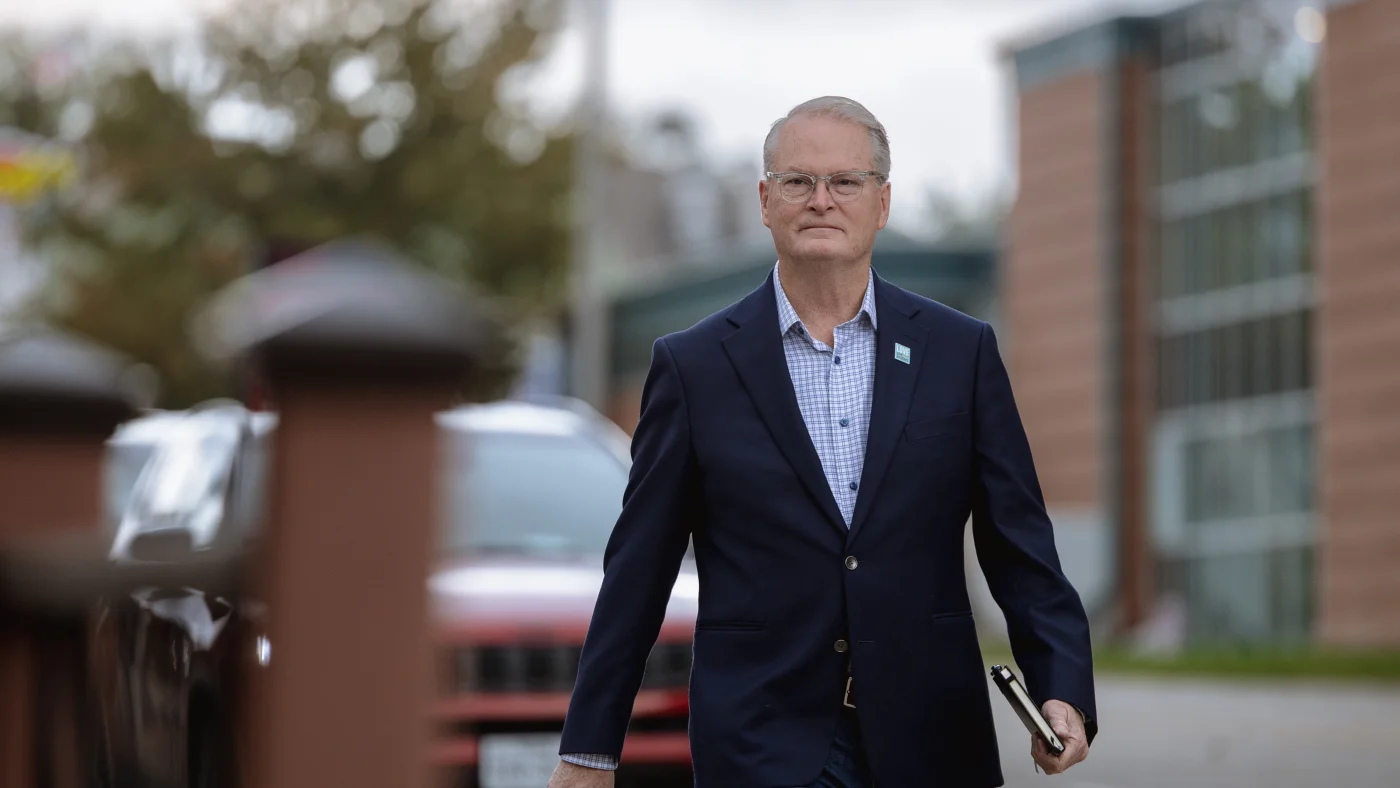
Adam Hamilton elected as first Democratic Kansas Senator in Nearly a Century
Kansas Elects Adam Hamilton as First Democratic Senator in Nearly a Century Kansans have broken a 94-year political...
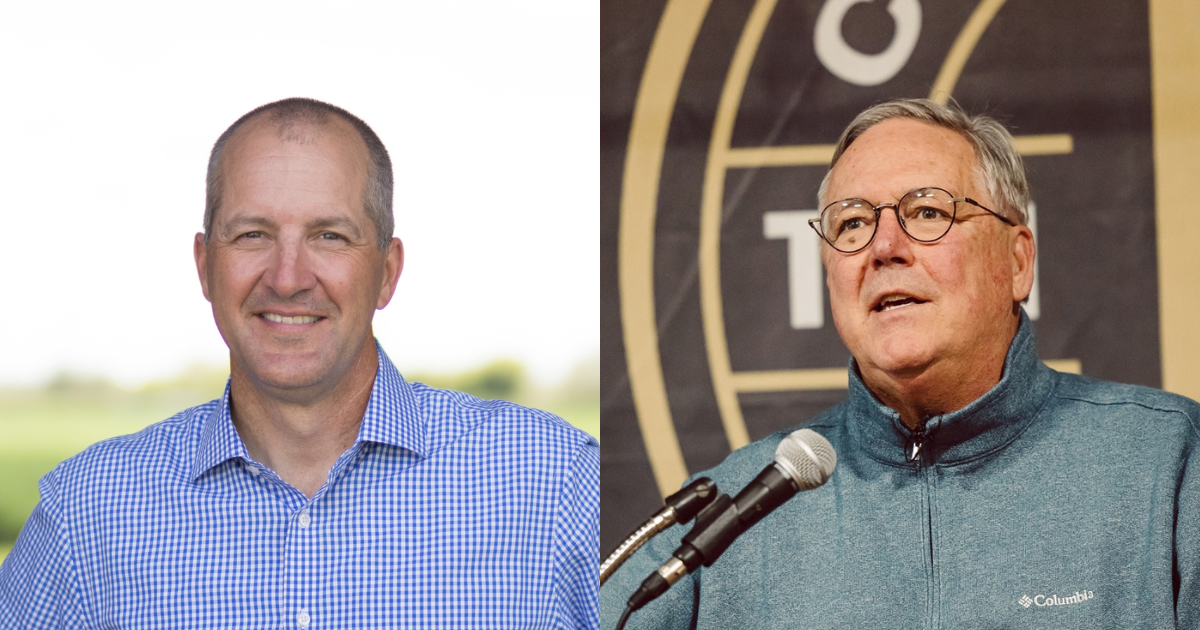
Iowa Secretary of Agriculture Race: Water Quality and Regulation Take Center Stage
Water Quality Takes Center Stage in Iowa Agriculture Race Iowa’s water quality has become a defining flashpoint in...