Northeast North Dakota corn growers are harvesting a disappointing 2026 crop after a wet spring gave way to severe summer drought, Agweek reported.
Four inches of rain fell soon after planting near Neche, followed by two more deluges exceeding three inches each. Then the tap shut off. “Late June, July and August were hot and abnormally dry,” said Kaysie Wagner, who farms 400 corn acres with her husband Bill and serves on the North Dakota Corn Growers Association board. “But then in August, the heat turned on and everything dried out.”
The U.S. Drought Monitor map from Sept. 1 placed much of eastern North Dakota in varying drought stages, with a pocket of the Red River Valley in “extreme drought.” September rains arrived too late for corn, though they helped soybeans green up, Agweek reported.
“It’s not what we had hoped,” Wagner told Agweek. “We’re thankful for what we have. It could have been a lot worse.”
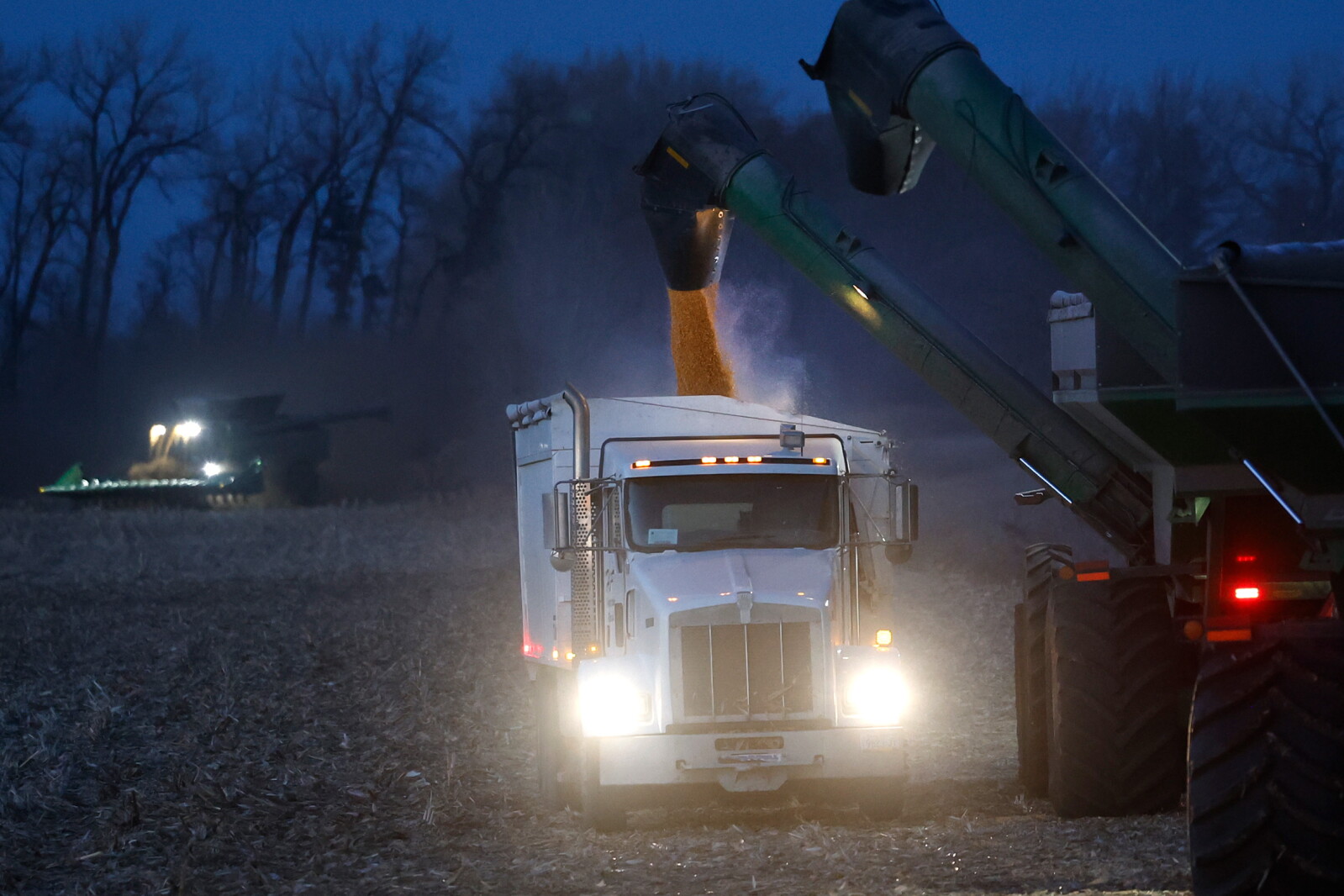
At Hoverson Farms near Larimore, Casey Hoverson said yields are “down substantially” — roughly a third below 2025. “It didn’t rain in our part of the state for all of June and July — right when we needed it,” he said. “Prices are down and yields are down, that’s the main problem. And inputs are up.”
Jill Murphy, NDSU Extension ag agent in Traill County, described fields where corn never tasseled, meaning no pollination and no ears. “The plant is going to focus on self-growth before it focuses on reproduction,” she told Agweek. In July she expected producers to ask, “Does anybody need some silage corn?” Instead, some were “pleasantly surprised at how our corn looks” given mid-season fears.
Traci Trostad, Extension agent in Nelson County, said reduced ear volume and kernel size will cut yields, especially in southern Nelson County. Late rains “definitely weren’t timely enough,” she told Agweek. “If anything, they helped it not go backwards, but we didn’t get enough to make it go forward.”
North Dakota Agriculture Commissioner Doug Goehring said he expects wide yield fluctuations statewide, with some areas showing “disturbing yields.” Yet the North Dakota Corn Growers Association estimates 4.45 million corn acres planted this year — down slightly from 2025’s 4.5 million but well above 2022’s 2.6 million. Last year’s 711 million-bushel harvest set a state record.
“The truth is, the world needs it,” said association executive director Brenda Elmer. “There is demand, and we’re really good at it here in the Midwest.”
U.S. Drought Monitor archives show only a sliver of North Dakota along the Montana border reported dry conditions on May 5, Agweek reported. By June 16, north-central areas and parts of the Red River Valley began drying up, and the July 14 map placed Traill County in moderate drought with abnormally dry conditions valley-wide.
An Aug. 6 update designated much of the valley in severe drought, and the Aug. 27 map showed the entire northeast corner and northwest Minnesota in moderate to severe drought, Agweek reported. A pocket around southern Grand Forks and Traill counties reached extreme drought before September rains arrived.
Harvest progress remains on schedule. As of Nov. 15, North Dakota corn harvest was 89% complete — ahead of last year’s 78% and near the five-year average, according to the National Agricultural Statistics Service. Minnesota stood at 93%, slightly behind its 97% five-year average.
Keep reading

Boy, 3, Dies After Choking on Food at Greater Manchester Nursery, Inquest Hears
A three‑year‑old boy died on 5 November after choking on a bowl of food at Cosy Toes Nursery...
Mississippi Band of Choctaw Indians Only Federally Recognized Tribe in State; 13 Others Have Historical Ties
Only one federally recognized tribe operates in Mississippi today, while 13 others with historical ties were forced to...

Americans Scale Back Thanksgiving as Farm Bureau Estimates Dinner Costs Up 6%
Americans are scaling back Thanksgiving plans as food, travel and household costs push the average price of a...

Ursuline, Steubenville Meet in Division III Semifinal Rematch
Ursuline and Steubenville meet Friday night in a Division III state semifinal rematch of an October thriller the...