
Somalia’s cabinet approved sweeping electoral law changes on Tuesday, adopting a closed-list system and a 10 percent national party threshold.
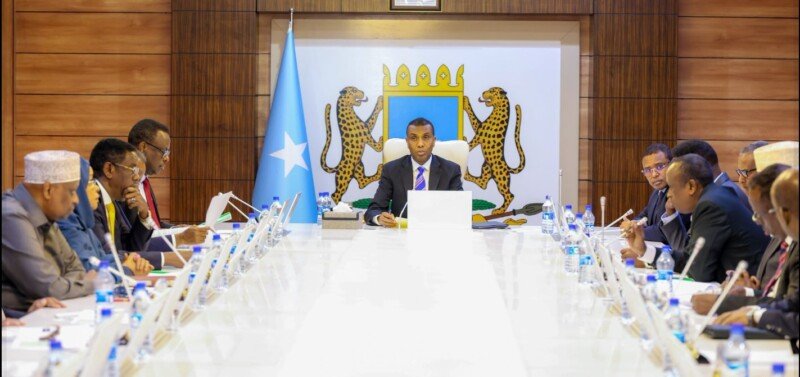
The government says the changes align pre-constitution statutes with the revised Federal Constitution. Under the new framework, citizens would directly elect local councils, federal member state assemblies, and both houses of the Federal Parliament. Those bodies would then choose the president, district commissioners, and other senior officials.
- Closed-list system: voters choose party lists, not individual candidates.
- 10 percent vote threshold for national party recognition.
- Parliamentary elections scheduled for April 15, 2027; presidential vote for May 15, 2027.
Closed-List System and 10% Threshold Reshape Competition
The closed-list provision is the most consequential change. Party leaders determine candidate rankings; voters cannot express preference for individuals. The 10 percent threshold would reduce the number of organizations entitled to contest elections as national parties, consolidating the field around larger entities.
The Somali Future Council has demanded international mediation before participating in any electoral process.
Cabinet Acts Without a Functioning Parliament
The timing is inseparable from a broader institutional crisis. The cabinet’s amendments must still pass through Parliament to become law.
Museveni Talks Precede Mediation Track
The cabinet moved the day after President Mohamud returned from talks with Uganda’s President Yoweri Museveni in Entebbe. Multiple reports indicated Museveni had agreed to help convene inclusive negotiations in Mogadishu between the federal government and the opposition, including the Somali Future Council. Opposition figures publicly welcomed the prospect; Villa Somalia has been more ambiguous, at times denying formal mediation was accepted.
shifts gears and appears to be intent on subverting prospects for dialogue and a deal with the opposition… even before they start.
Abdi, opposition commentator
Abdi described the cabinet’s move as an attempt to entrench rules that would position the ruling party as the outright winner “by dint of the majority of parliamentary seats under a ‘closed-list system.’” He called it another act of bad faith “primarily designed to thwart” the Uganda-backed initiative, concluding that Mohamud is “playing to prevail by foul means” and that “nothing short of full-throttle coercive diplomacy can modify his behaviour and calculations.”
Government Statement Details Alignment and Technical Powers
Prime Minister Hamza Abdi Barre’s office said the amendments bring electoral statutes into line with the revised Constitution and authorise the National Independent Electoral and Boundaries Commission to set technical procedures for voter registration and voting, according to a statement reported by HOL.
The statement was signed by Federal Government spokesperson Abdinasir Ahmed Bashir, who also serves as Director of Information and Public Relations at the Office of the Prime Minister, People Daily notes.

FTLSomalia adds that the commission would be guided by a constitutional provision requiring authorities to facilitate public participation in elections.
Analyst Warns Changes Favor Ruling Party
Horn of Africa analyst Rashid Abdi told Somali Guardian the closed-list system and 10 percent threshold are designed to tilt the field toward President Hassan Sheikh Mohamud's Justice and Solidarity Party and its allies in a fragmented political environment where several federal member states remain outside the government's framework.
The cabinet approved the amendments one day after the Chief Justice ordered Parliament to suspend work and the day after President Mohamud returned from talks with Uganda’s President Yoweri Museveni in Entebbe, where Museveni reportedly agreed to help convene inclusive negotiations between the government and opposition, including the Somali Future Council, Somali Guardian reports.
OHCHR Office Agreement Approved
The electoral commission has scheduled parliamentary elections for April 15, 2027, and a presidential election for May 15, 2027. It extended the deadline for political organizations to submit registration documents from November 22 to November 30.
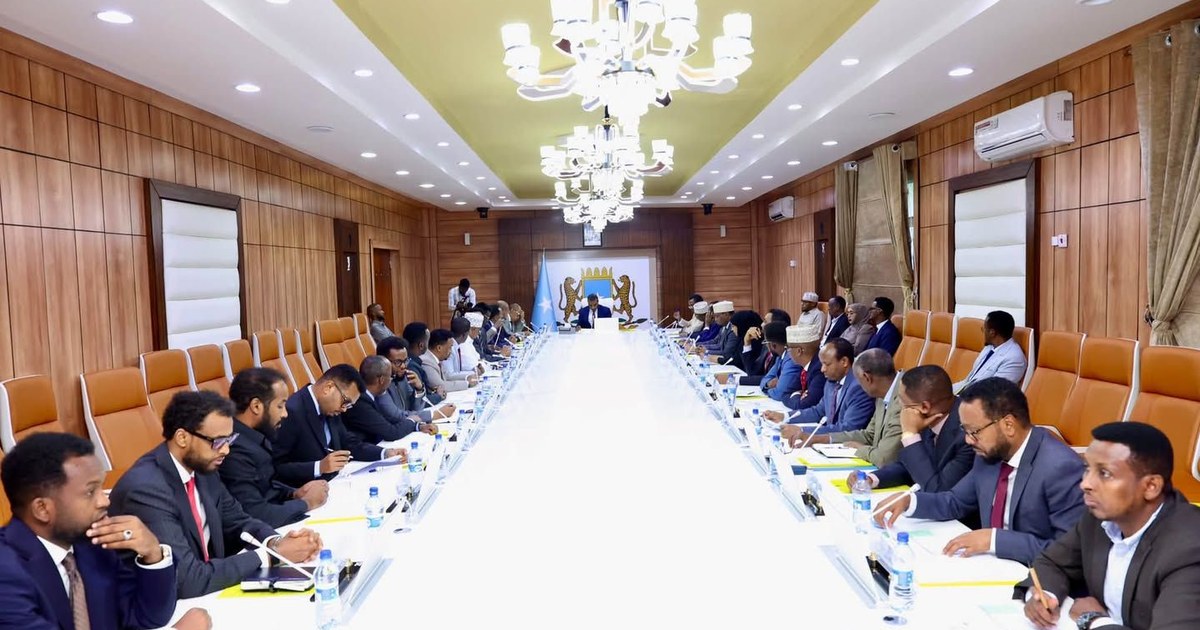
The amendments require approval by both houses of parliament — a body the Chief Justice has ordered to cease functioning. Security remains a constraint: the government is fighting al-Shabaab with African Union support, and large parts of the countryside remain outside state control.
The Somali Future Council, an opposition coalition formed in October 2025 that unites leaders from Puntland and Jubaland with former federal officials, has demanded international mediation before participating in any electoral process.
Its secretary, Abdullahi Abukar Haji (Arab), a former Minister of Education, was identified in October 2026 by Hiiraan Online, while Mohamed Adan Jimale (Koofi), a former Director of Somalia’s Immigration and Citizenship Agency, has represented the council publicly, also being described as its secretary in some reports.
The council opposed the National Independent Electoral and Boundaries Commission’s October 2026 timetable for the 2027 elections, arguing it was announced without sufficient consultation among major political stakeholders.
The question is no longer whether an electoral framework will be written.
Worth a look
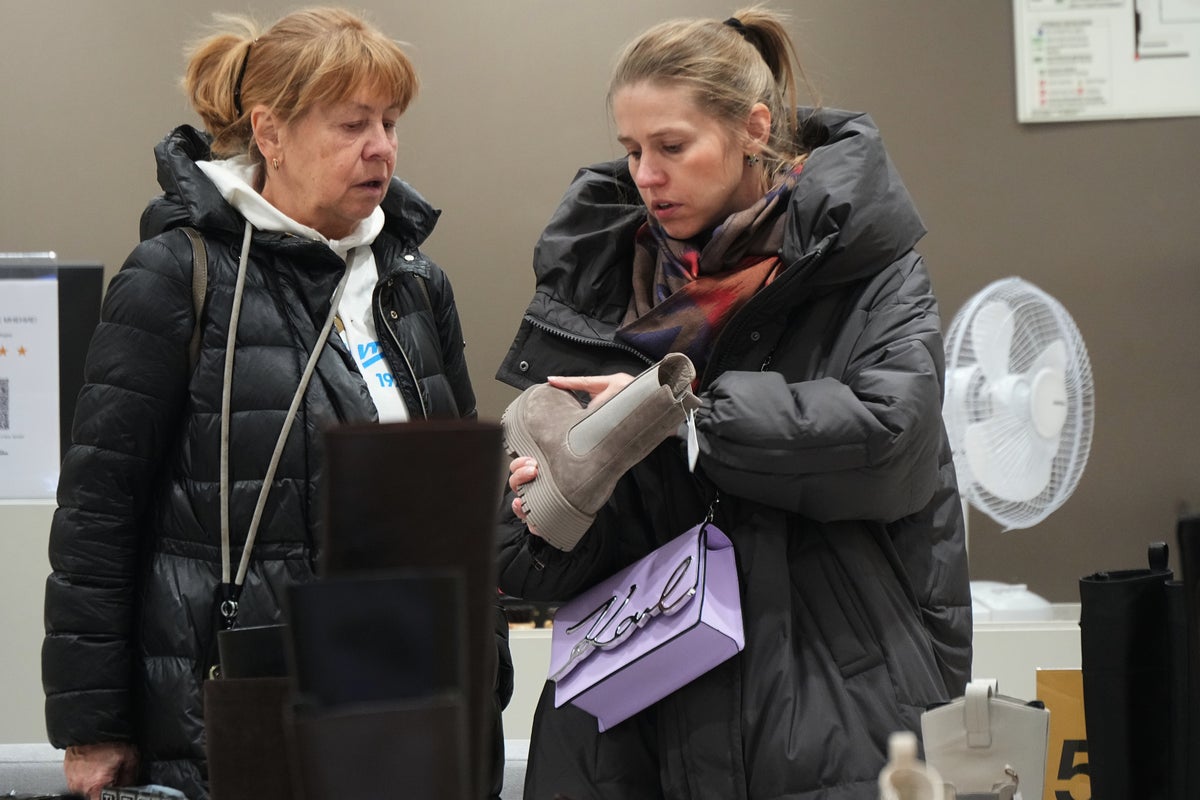
Russia’s Lower House Approves Tax Hikes to Fund War Spending
Russia's lower house of parliament approved a three-year federal budget Tuesday that directs 17.15 trillion rubles — roughly...
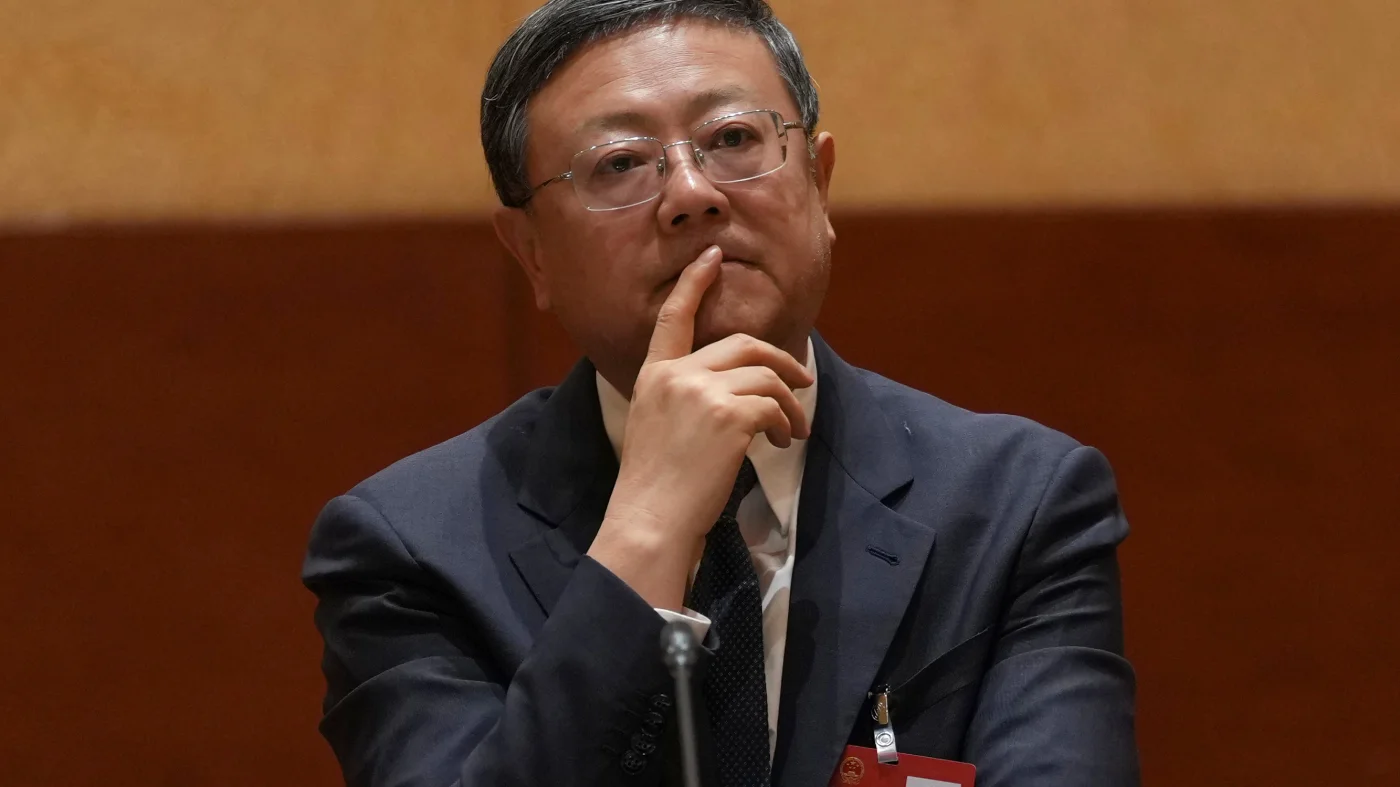
China Probes Fourth Politburo Member Chen Jining Since 2025
China's anti-corruption watchdog announced Tuesday it is investigating Chen Jining, the Communist Party secretary of Shanghai and a...

Colombian Forces Rescue All Hostages, Kill Gunman in Supermarket Siege
Colombian security forces stormed an Éxito supermarket in Cartagena early Wednesday, ending a day-long siege that began when...

Libyan Army Vows Retaliation After Two Officers Die in Drone Strike
Two Libyan naval officers died Tuesday from wounds sustained in a Sunday Ukrainian drone strike on a Russian...