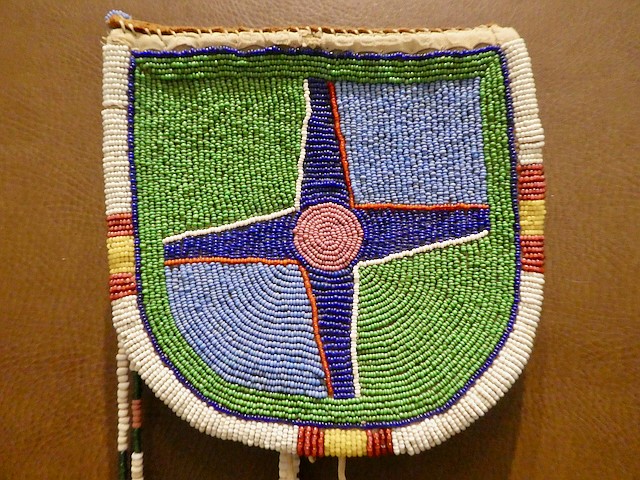
The Northwest Montana History Museum will reopen its renovated permanent exhibit “On a Passing Frontier” with a reception from 5 to 6:30 p.m. on Wednesday, Dec. 9.
The exhibit focuses on Northwest Montana’s earliest history, people and artifacts.
Tribal consultants, dozens of museum staffers and volunteers, and deep dives into archives and research brought the exhibit to life, funded in part by the Montana 250 Commission. New features include a mural by Beth Vallieres, updated lighting, a new tipi, and multimedia elements such as a language station where visitors can hear native languages spoken.
Displays feature lithics, beadwork, a children’s activity with traditional and medicinal plants, and commissioned and original pieces from the collection. Tools such as a Clovis-era projectile point, along with images and artifacts, reflect life in the rugged, fertile area and reveal the bounty and challenges of early residents.
The exhibit also includes information related to Frank Bird Linderman, who collected and translated tribal stories for a wider audience. His books, including biographies of Plenty Coups and Pretty Shield, remain bestsellers in the museum bookstore.
“They hunted with bow and arrow, constructed traps for trout, and spear fished for salmon. Nothing was wasted; lodges and clothing were primarily made with skins and hides from game animals.”
Museum exhibition text
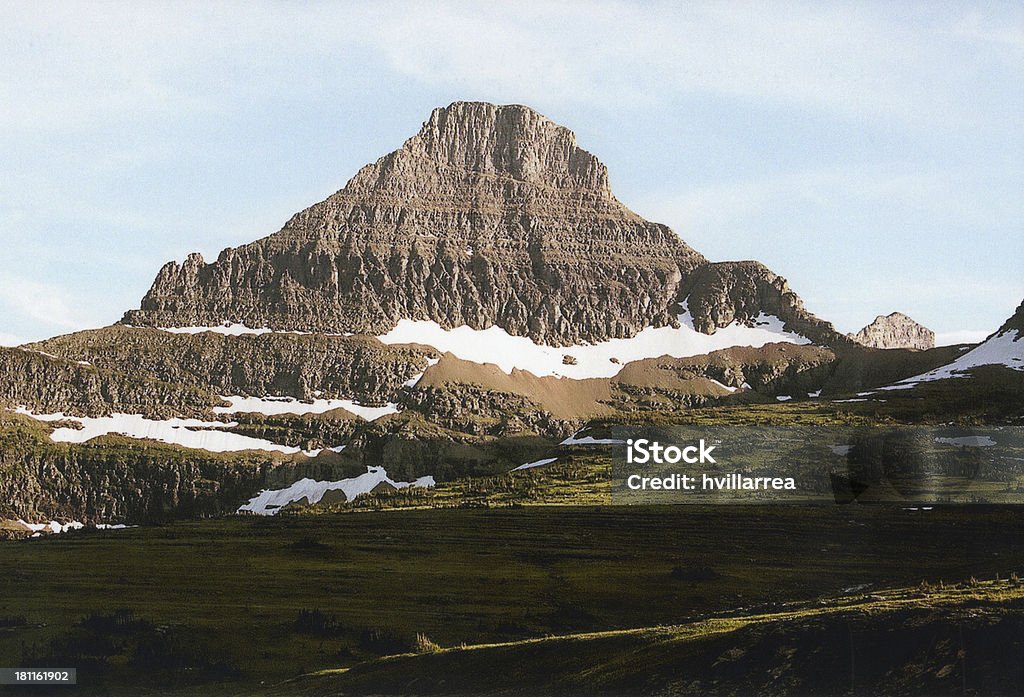
“The world of the American tribes changed a great deal amid contact with immigrants and settlers. By preserving, remembering, and sharing these cultures that shaped what is now Northwest Montana, we do our part to ensure that the traditions and values remain alive today and into the future.”
Museum exhibition text
“As the 19th century progressed, the Flathead Valley (which was the last place in the lower 48 states to be permanently settled) began to attract more and more people, first with trading and trapping, and later with the lumber and mining industries.”
The Northwest Montana History Museum reopens its renovated “On a Passing Frontier” exhibit with a reception from 5 to 6:30 p.m. Wednesday, Dec. 9, featuring new displays on Frank Bird Linderman, who lived as a trapper among the Bitterroot Salish and Kutenai tribes on Flathead Lake from 1885 to 1891, mastering Plains Indian sign language and earning names like “Sign-talker” and “Iron Tooth.”
The exhibit highlights Linderman’s later significance as a state legislator from Madison County in 1902 and 1904 and as an advocate who supported the 1916 establishment of the Rocky Boy Indian Reservation for landless Ojibwe and Cree; his books, including biographies of Plenty Coups and Pretty Shield, remain bestsellers in the museum bookstore.
Museum exhibition text
Frank Bird Linderman is perhaps the best example of the “Old West Montana” personified. He evolved as the state did, constantly shifting his profession and lifestyle to keep pace with the growing territory (Linderman’s arrival predated the state of Montana).
Today, Frank Bird Linderman is best remembered for his work with western American Indian tribes: personally, professionally, and politically. Linderman understood the importance of collecting and recording these stories and traditions, and he made this passion his life’s work. As he did so, Linderman himself became an important fixture in Montana’s history.
Museum exhibition text
Worth a look

Huntsville Wastewater Plant Upgrade Delayed to March, Four Months Late
The Huntsville Water Commission learned Nov. 19 that the city's $7.5 million wastewater plant upgrade will finish in...

Trey Lyles’ Intangibles Fuel Timberwolves’ NBA-Best Defense and 13-5 Start
Trey Lyles leads all active Timberwolves players with a plus-108 net rating through 339 minutes this season, Star...

US Sues Georgia Over Civil Rights; Case Reassigned to Judge Ross After Recusal
The United States filed a civil rights complaint against the State of Georgia on Aug. 23, 2016, initiating...
Michigan Abandons Trev Alberts AD Pursuit Over Title IX Deposition Remarks
The Michigan Wolverines abandoned their pursuit of Trev Alberts as athletic director on Tuesday, capping a turbulent search...