Norway is reversing nearly two decades of rapid technology adoption in schools, bringing back textbooks and printed materials to address declining reading and writing skills among students.
The country’s rethinking of new technologies extends beyond classrooms, with plans to restrict social media and temporarily ban smart glasses in public places.
Norway’s Digitalization Minister Torgeir Micaelsen told AFP that “There is reason to believe that the introduction of screens in schools happened too quickly, before we had sufficient knowledge about their effects and about what constitutes good pedagogical use of digital devices.”
For almost 20 years, Norway pushed computers and tablets in classrooms, a trend strengthened during COVID, and starting in 2023, primary schools in Oslo were supposed to equip every pupil with a digital device.
In 2024, third-grade teacher Pal Ludvig Finstad temporarily put tablets away for his struggling pupils, receiving a written warning from the school administration.
Finstad told the newspaper Klassekampen in 2024, “My pedagogical assessment was that, at that point, the pupils needed a new approach, and that it was urgent.”

Primary school principal Silje Ween told AFP, “The screen itself is not the problem. It’s the way it’s used, when the tool becomes more important than the content.”
Oslo municipality has since dropped its requirement for one device per pupil in primary schools, allowing schools more leeway in choosing teaching tools.
Screen Use Findings
A Norwegian commission examining screen usage in 2024 emphasized that students generally comprehend lengthy texts better when reading them on paper.
In the 2025 PISA survey, Norwegian students registered scores beneath the OECD average across reading comprehension, mathematics and science, marking the first time since 2006 they were below the average in all three subjects simultaneously; the widespread presence of screens was cited as a possible source of distraction.
Norwegian authorities have recommended regulating cellphone use in schools and introducing artificial intelligence into the school curriculum only gradually, and the government is seeking to enshrine access to printed textbooks in law.
Social Media Restrictions
In 2024, Norway announced intentions to limit social media use to safeguard its youth, with the government anticipating the submission of a bill by the year’s end that will prohibit “harmful” platforms such as TikTok, Snapchat and the gaming platform Roblox for children under the age of 16.
Citing risks to privacy, the government also wants to temporarily ban the use of smart glasses equipped with cameras in public places such as parks, beaches and schools.
Call for European Action
Christer Hyggen, a sociologist and researcher at OsloMet University, suggested that “Not so long ago, we put the development of digital infrastructure on the same level as the invention of electricity. In our haste, we may have forgotten to regulate,” and contended that the measures Norway has introduced to date are “superficial” when contrasted with more profound issues, including the addictive design of digital services, targeted marketing and the profiling of children and youths.
Hyggen suggested that “the paradigm shift can only happen at a larger level: that of Europe.”
Meaningful change requires action at the European level.
Keep reading

Fresno State Defeated Colorado State 49-42 Securing Bowl Eligibility
Fresno State defeated Colorado State 49-42 on Saturday night in Fresno, securing bowl eligibility for the sixth consecutive...

Britt’s Donuts Extends Holiday Hours in Carolina Beach for Two Weekends in December
Britt's Donuts, an iconic seasonal business in Carolina Beach operating since 1939, is extending its hours for the...

NYC Lands at Bottom of US City Expense Study, Says Achieve
Raising a family in New York City demands nearly $147,000 a year in rent and childcare costs alone,...
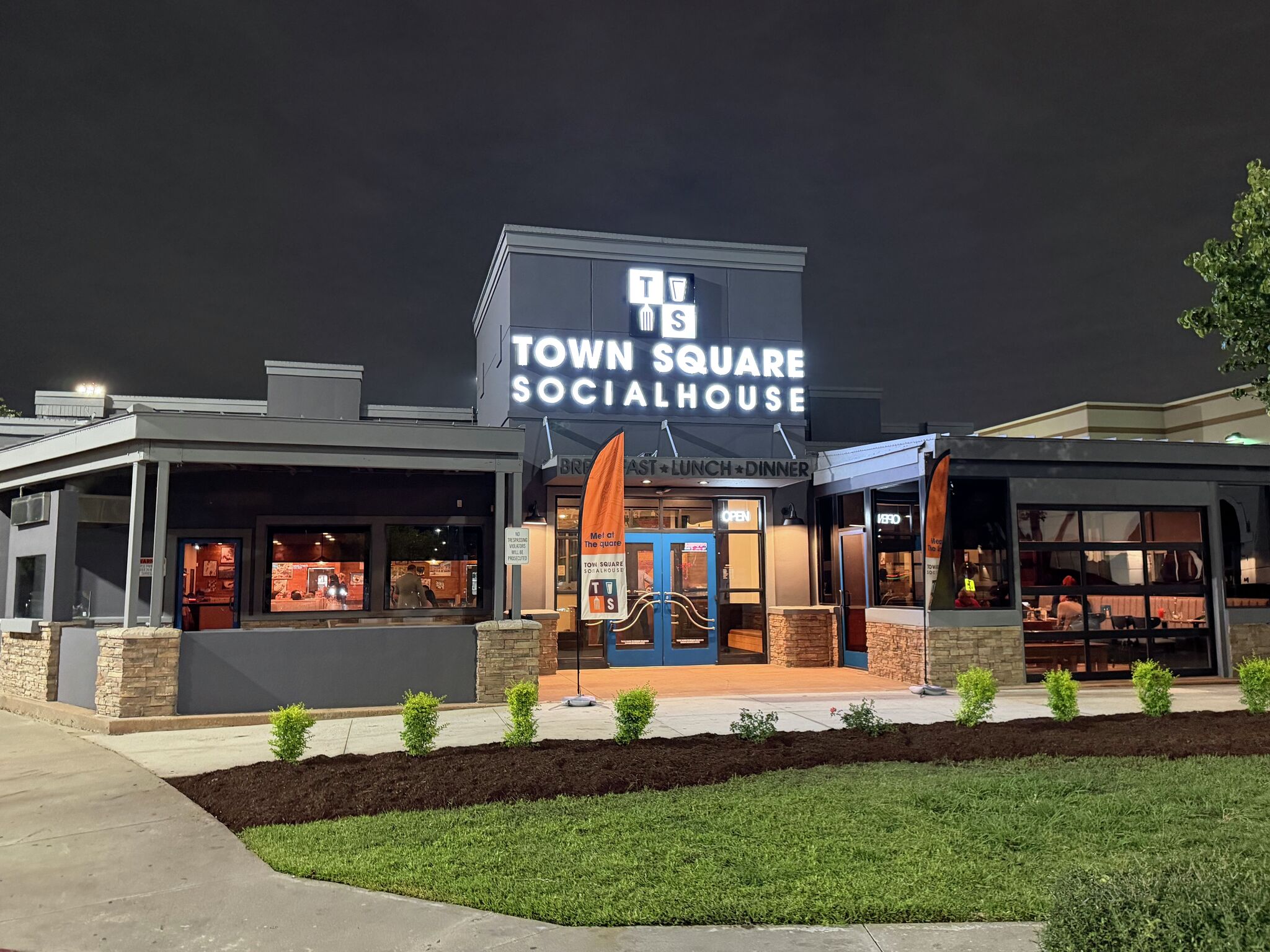
Town Square Socialhouse New Willowbrook Restaurant Opens in Houston
“In a world where we spend so much time looking at screens, we built Town Square Socialhouse around...