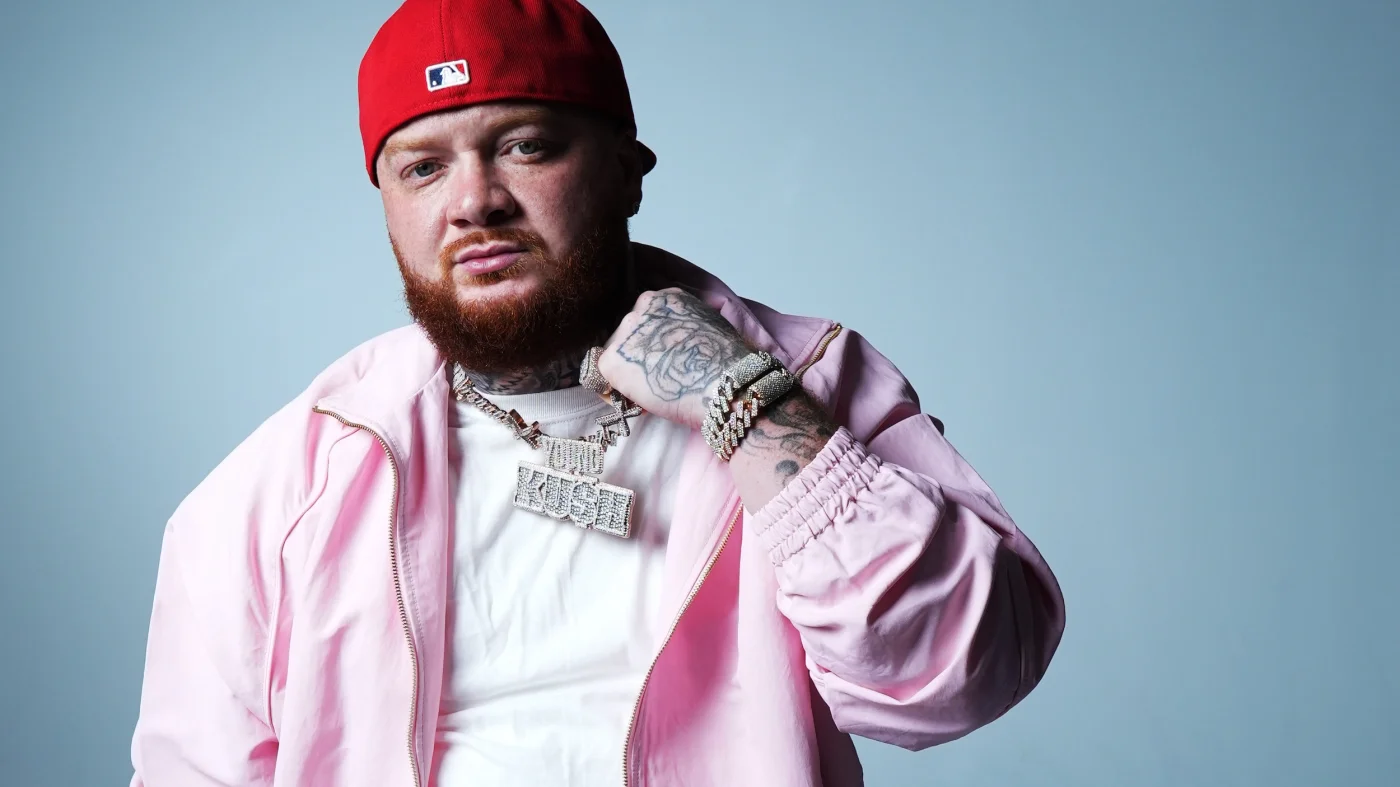
Belly Gang Kushington’s album Good Dope Sell Itself arrives as Atlanta street rap confronts an authenticity crisis accelerated by the YSL RICO trial, NPR reported.
The biracial rapper, raised by his Black father’s family after his white mother left, has long faced questions about his Blackness because of his complexion. “So many people calling me white / So many people calling me Black,” he raps on “No Jewelry.”
A 50-minute YouTube video with streamer BenDaDonnn visiting his father captures the tension: Pops steps outside in a black tee and socks and tells the crew, “You’se a straight-up character… Y’all gotta get the f** out.” On The Breakfast Club* this year, Kushington rejected the idea he performs a stereotype.
“Am I leaning into a Black stereotype? Hell naw… I’m just being me. Being authentic me,” said Pops.
Jon Caramanica of The New York Times calls Kushington a trap literalist; NPR describes him as a trap revivalist reestablishing the genre’s core tensions.
His throwback sound recalls early Jeezy, but where Jeezy became a motivational speaker, Kushington centers vulnerability — trap ballads to exes, the streets, and the dead. The album drops the same week as solo projects from Offset and Lil Baby, each addressing the authenticity debate from a different angle.
Offset’s GMFU features Gunna, Young Thug’s former co-defendant, while Thug has not publicly extended an olive branch.

The crisis traces to November 2025, when 21 Savage tweeted “f the streets” in the YSL trial’s aftermath. Young Thug and G Herbo supported the sentiment; Fivio Foreign and NBA YoungBoy pushed back. “The streets keep me movie[sic] and keep me and mines good,” Fivio Foreign posted on X, calling cap on artists distancing themselves. He later told DJ Akademiks, “It’s all show… It’s all smoke and mirrors.” 21 Savage appears on Kushington’s lead single “WTF Goin” rapping, “I ain’t just no rapper / f n****, I’ll shoot you,” a line NPR reads as spinning the metaphorical block rather than a flat retraction.
Last year, Metro Boomin and Jermaine Dupri released compilation albums — Metro Boomin Represents: A Futuristic Summa and Magic City — that leaned on Atlanta’s past rather than chasing mass appeal.
“For his sake, he plays his role by coloring inside the lines,” NPR writes. “Might sound like a trap, but there’s freedom in respecting the boundaries and choosing how to move within them.”

Providence Mayor-Elect Morales Names Nelson-Davies COO, Wood Chief of Staff, Lindberg CFO
Providence Mayor-elect David Morales named three senior staff appointments Monday, installing Economic Progress Institute Executive Director Weayonnoh Nelson-Davies...

COTA Study of Former Greyhound Site Could Revive Downtown Columbus Bus Terminal
Columbus bus riders have waited on Mound Street without shelter, restrooms or real-time information since the downtown terminal...

Maryland Matters Contest Produces Three Top Scorers, Four Total Winners
Anne Zmuda, the vice president of government relations at the Maryland Food Bank; Henry Snurr, the deputy caucus...

50 Best Nashville Holiday Gifts Under $50
StyleBlueprint has rounded up 50 Nashville holiday gifts priced at $50 or less, spanning home decor, clothing, food...