
The National Weather Service in Sacramento updated a flood advisory at 11:20 a.m. The NWS Sacramento CA released an updated flood advisory at 11:20 a.m. on Wednesday in effect until 1:15 p.m., for Butte, Glenn, Shasta and Tehama counties, as excessive rainfall continues to overwhelm urban areas and small streams, the Sacramento Bee reported.
Minor flooding is occurring in low-lying spots and areas with poor drainage, the service said. “Turn around, don’t drown when encountering flooded roads. Most flood deaths occur in vehicles,” the advisory warned. Officials urged anyone who sees flooding to report it to local emergency services or law enforcement and ask them to pass the information to the National Weather Service when it is safe to do so.
“As little as 12 inches of rushing water can carry off most vehicles,” the service said in its safety guidance. Six inches of moving water can knock an adult off their feet. Drivers who encounter a flooded road should make a U-turn and find an alternate route; driving through deep water can also disable a vehicle’s mechanical and electrical systems.
Hydroplaning remains a major hazard on highways where water pools faster than tires can channel it away. Speed, water depth and worn tread are the three main factors.
If a vehicle begins to hydroplane, drivers should ease off the accelerator, steer into the skid, wait for the tires to regain contact with the pavement and then gently straighten the wheels. Brake normally if the car has anti-lock brakes; pump the brakes gently if it does not.

For residents and campers in flood-prone, low-lying areas, the service recommends moving to higher ground immediately and following any evacuation orders without delay. If time allows, lock the home, disconnect utilities and appliances, and avoid basements or rooms where electrical outlets or cords are submerged. Sparks, buzzing, crackling or popping sounds mean electricity may be in the water — evacuate at once.
The advisory expires at 1:15 p.m., though additional updates are possible if rainfall rates increase or creeks rise further.
Keep reading
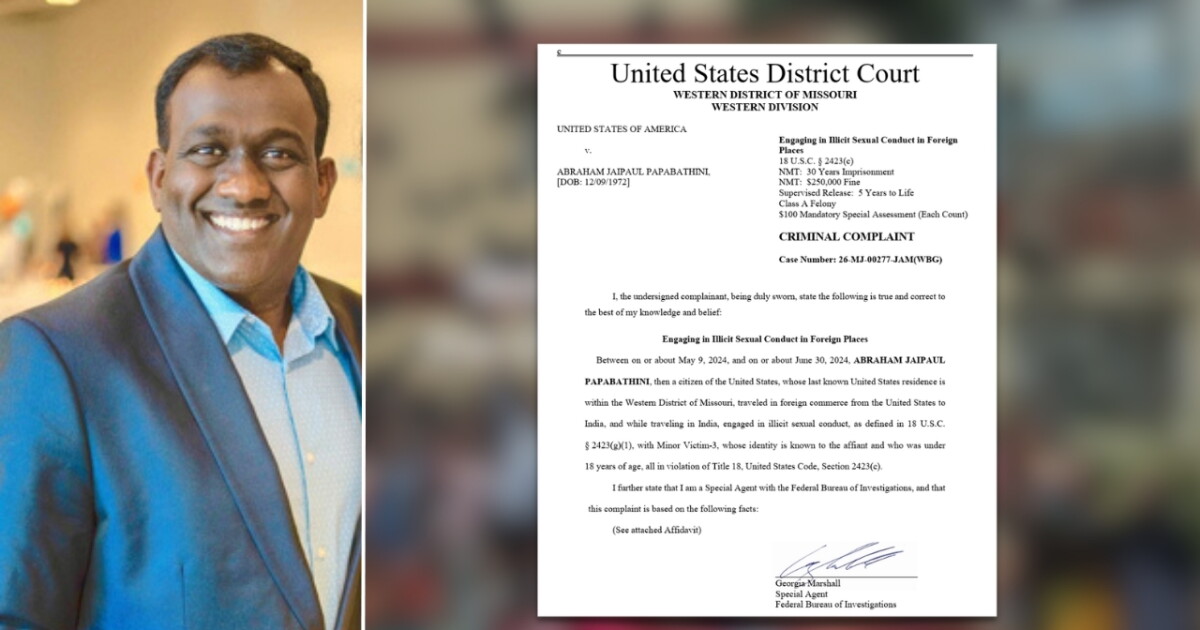
Kansas City Nonprofit President Indicted for Illicit Sexual Conduct with Minors in India
A Kansas City nonprofit president who built an organization around rescuing children from Indian slums was indicted on...

Alaska, Hawaiian Offer Double Atmos Rewards Points for Hawaii Flights; Saver X Fares Excluded
Alaska and Hawaiian Airlines are offering double Atmos Rewards points for flights to Hawaii during two periods this...
How to Vet Indiana Nursing Homes: Reports, Complaints and Red Flags
Indiana has 75 nursing homes flagged with serious deficiencies and $4.14 million in paid fines, according to state...

Boise State Freshman Rasean Jones Erupts for 230 Yards, 3 TDs in Win Over Oregon State
Boise State freshman Rasean Jones put together one of the most dominant receiving performances in program history Saturday...