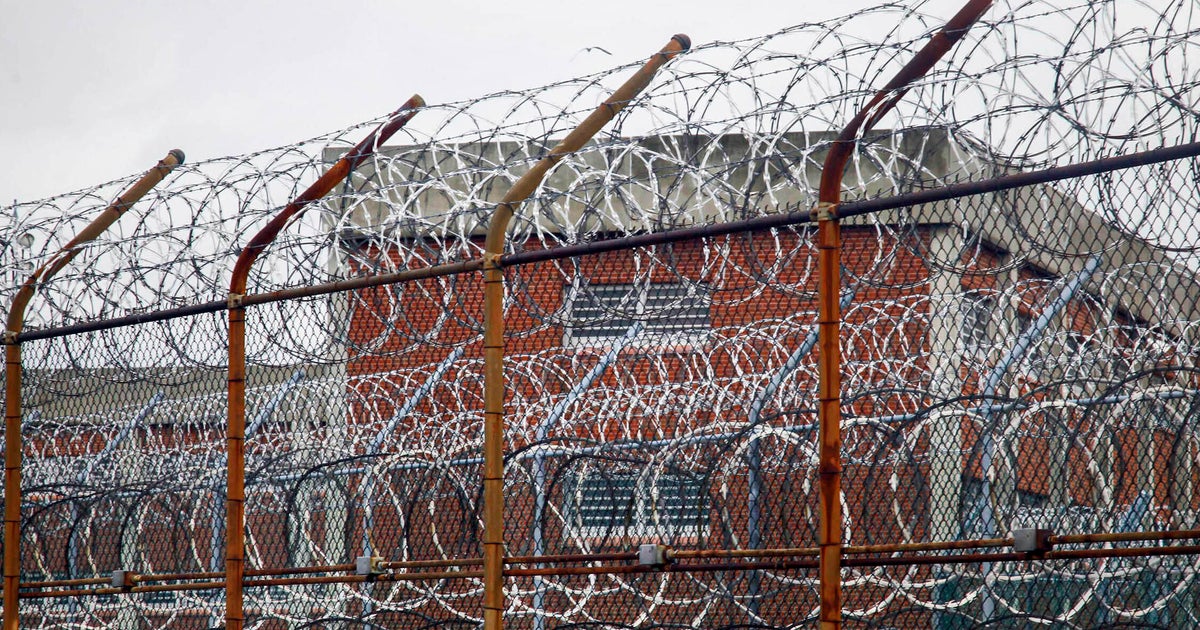
New York City Mayor Zohran Mamdani announced Friday a plan to shut down the Rikers Island jail complex by 2032, pushing the closure five years past the legal deadline the City Council set in 2019.
The mayor framed the delay as the cost of doing the job right after years of stagnation under his predecessor, Eric Adams. “The call to close Rikers has echoed across our city for decades. Work has begun to do so, then stopped, then started once again,” Mamdani said at a City Hall news conference.
“What will make this chapter different is our commitment to see it through.” The administration closed one Rikers facility earlier this year, but the rest of the complex remains open.
The strategy hinges on shrinking the jail population from roughly 6,700 people currently in custody to a little over 4,000 — low enough to fit into four new borough-based facilities designed to hold about 4,100 beds total. The first replacement jail in Brooklyn is not expected to open until 2029, followed by the Bronx and Queens in 2031 and Manhattan in 2032.
“At Rikers, out of sight, out of mind is the norm for both people in our custody and our staff.”
said Department of Correction Commissioner Stanley Richards, the first formerly incarcerated person to lead the department. Richards, who was once held at Rikers himself, said unnecessary pretrial detention can “increase the likelihood of eviction, job loss, and ultimately, rearrest in the future, while case delay harms victims calling for justice.”
Assaults at Rikers happen at eight times the rate of similar jails and detainees are held nearly four times longer than the national average.
Administration proposes $146 million investment for diversion and court reforms
Bridging the gap between today’s census and the new jails’ capacity requires a $146 million investment next fiscal year. The funding splits toward diversion: $50 million for job training, education, mental health counseling and drug treatment inside the jails, and another $76 million for community programs and supervision to keep more people out of custody while they await trial.
The administration also plans to restore an online bail payment system and speed up evidence exchange to clear court backlogs.
“We’ll work across city agencies to speed up the exchange of evidence and address court backlogs. We do not want any New Yorker to spend a day longer in detention than necessary,” Mamdani said. The Vera Institute of Justice tracks at least nine deaths in Department of Correction custody so far this year, a grim backdrop to the urgency.
Community group criticizes Brooklyn jail construction plan
Not everyone greeted the timeline with relief. Jan Lee, founder of Neighbors United Below Canal, said the plan fails to address residents’ concerns about the Brooklyn site.
“It still allows nighttime drilling, still sends heavy trucks through our narrow streets after dark, and still puts the burden of the City’s construction schedule on our elderly neighbors and families living just feet from the site,” Lee said. The City Council must pass new legislation to extend the 2027 deadline; Speaker Julie Menin praised the plan Friday, saying “we are finally getting back on track.”

Federal oversight remains
The complex has been under federal oversight for years. Last year, a federal judge removed the facility from the city’s direct control and appointed an outside manager to implement reforms.
Mamdani’s administration said it will work with the federal monitor, the Board of Correction and the Council to write the new deadline into law. The mayor’s office also pledged to plan for the future reuse of the 413-acre island once the jails are gone.
The next step is a City Council vote on the revised timeline. Until then, Rikers stays open.
Related reading

JPMorgan Chase, Visa, Mastercard Confirm Third-Party Vendor Cyberattack Exposing Customer Data
JPMorgan Chase, Visa and Mastercard confirmed Thursday that a cyberattack on shared third-party vendors may have exposed customer...

Aeneas Sweeps DSBF Final in Career-Best 1:54 at Bally’s Dover
Aeneas turned a $110,000 Delaware Standardbred Breeders' Fund final into a clinic on pocket patience Thursday night, stalking...

Dr. Seuss’s How the Grinch Stole Christmas! Musical Opens Dec. 11 in Helena; Resale Tickets Start at $1,679
Dr. Seuss's How the Grinch Stole Christmas! The Musical opens a six-performance run at the Helena Civic Center...

Las Vegas Police Swarm GTA Mansion After Swatting Call
Las Vegas police swarmed a Grand Theft Auto-themed mansion Wednesday night after a swatting call interrupted a live...