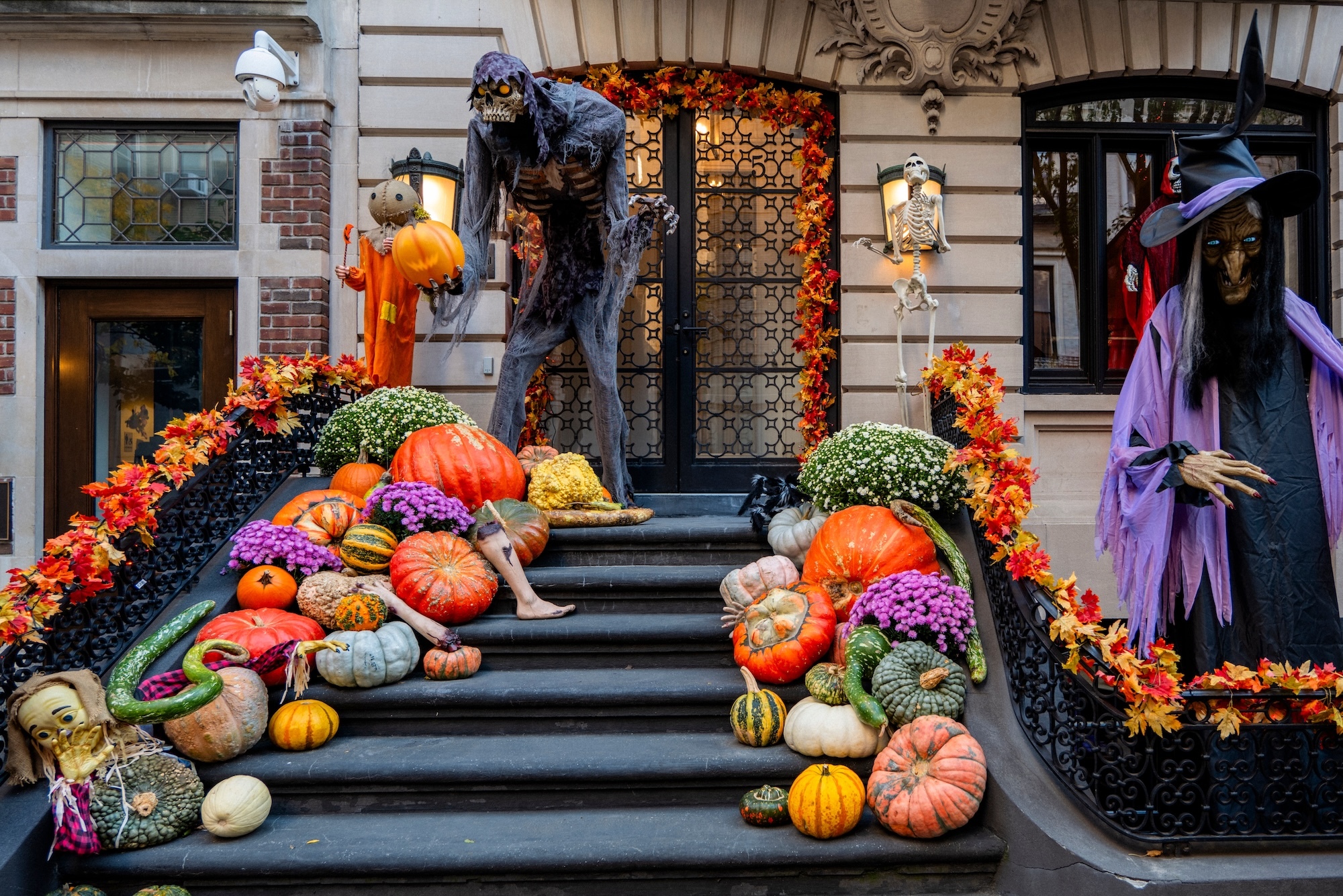
New York City is officially the best place in America to celebrate Halloween in 2026, according to a comprehensive study by WalletHub. The city secured the top spot among 100 of the nation’s most populous cities with a commanding score of 71.22 out of 100, comfortably beating out Los Angeles, which trailed as the runner-up with a score of 61.11.
This isn’t just a win for the “Big Apple” ego; it’s a reflection of how urban density transforms a holiday. While other cities rely on sprawling suburbs for trick-or-treating, New York uses its walkability and retail density to create a high-efficiency sugar-gathering machine. For the millions of people who treat the city as their playground, this ranking confirms that the infrastructure of NYC is uniquely calibrated for the spooky season.
The Math Behind the Magic
The WalletHub analysis didn’t just look at the “vibe” of the city. It weighed 20 different metrics across three primary pillars: trick-or-treater friendliness, Halloween fun, and weather. According to WalletHub, the trick-or-treater friendliness category carried the most weight, accounting for 60 of the 100 possible points. New York placed second nationally in this category, driven largely by its status as the most densely populated city in the U.S. and its third-highest walkability score.
In practical terms, this means more doors and less distance.
When it comes to the “fun” factor, the city is a retail powerhouse. New York tied with Honolulu and Las Vegas for the most candy and chocolate stores per capita, and SecretNYC reports the city ranked first for Halloween costume stores per capita. Whether it’s a last-minute panic buy or a niche prop search, the sheer volume of available shops gives New Yorkers a distinct home-field advantage.
Comparing the Top Contenders
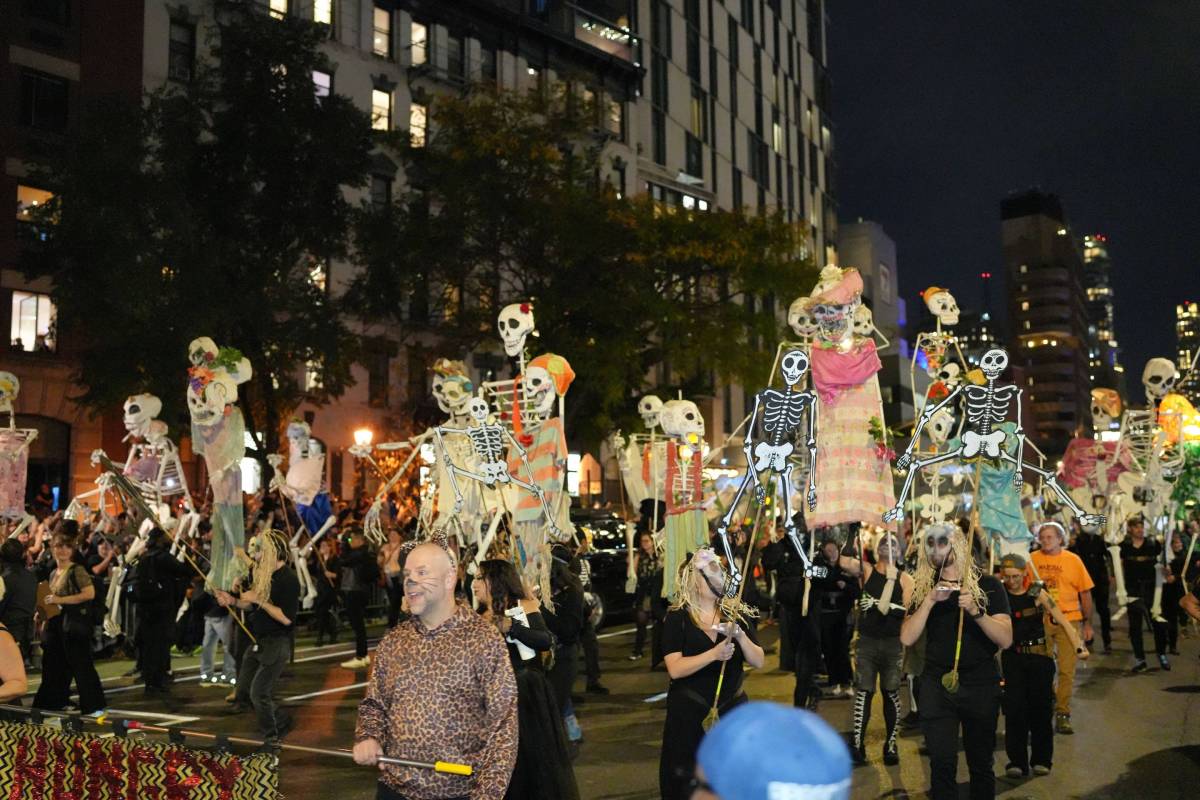
While New York took the crown, the competition showed that different cities offer different versions of the “perfect” Halloween. Jersey City, for instance, finished third overall and actually beat New York by taking the number one spot for trick-or-treater friendliness. This suggests that while NYC has the most resources, the immediate neighborhood feel across the Hudson might be even more welcoming for families.
| City | Overall Rank | Key Strength |
|---|---|---|
| New York, NY | 1 | Costume/Candy Density & Walkability |
| Los Angeles, CA | 2 | Prop Houses & Theme Park Haunts |
| Jersey City, NJ | 3 | Trick-or-Treater Friendliness |
| Las Vegas, NV | 4 | Candy Stores per Capita |
The data also reveals a sharp divide across the country. While the Northeast and West Coast dominate the top 10, cities like Memphis, Baton Rouge, and Birmingham landed at the very bottom of the list. According to WalletHub, Memphis ranked 100th, the lowest of all cities studied.
Americans Project $13.1 Billion in Halloween Spending
There is a massive economic engine driving these rankings. Americans are projected to spend a staggering $13.1 billion on Halloween expenses this year. This spending isn’t just about candy; it’s a significant boost for small businesses, from the independent costume boutiques in Manhattan to the themed pop-ups appearing in every borough.
However, the “best city” title comes with real-world frictions. To determine safety, WalletHub looked at crime rates and pedestrian fatality rates.
“The best cities for Halloween are those that provide the safest conditions for celebrating, along with an abundance of activities, Halloween-related stores and good weather,” said WalletHub Analyst Chip Lupo.
New York’s Achilles’ heel in the study was the weather, where it ranked a mediocre 29th. But for most New Yorkers, a bit of autumn chill is a small price to pay for the ability to turn a public sidewalk into a high-fashion runway.
Cultural Commitment Fuels New York City Rankings
Numbers can track the number of movie theaters per capita (where NYC ranks second) or the frequency of Google searches for “Halloween parties” (where NYC leads the nation), but they struggle to capture the cultural willingness of a New Yorker to commit to a bit.
The question that remains is whether this “best city” status is sustainable as the cost of living continues to push families out of the dense urban cores that made the city win in the first place. If the population density that fuels the “trick-or-treater friendliness” score begins to shift, will the crown eventually move to the burgeoning hubs of New Jersey or beyond?
Keep reading

Akron voters to decide on rental fees and criminal history measures
Akron voters will decide on two ballot measures that would ban rental application fees, allow security deposits to...

Deer crashes through Winston-Salem laundromat front window
A buck crashed through the front window of the Wishy Washy Laundry on South Main Street in Winston-Salem,...
Oklahoma City Thunder name starters for game against Dallas Mavericks
The Oklahoma City Thunder will start Shai Gilgeous-Alexander, Ajay Mitchell, Jared McCain, Kenrich Williams, and Isaiah Hartenstein tonight...
North Dakota DOT offers Uber and Lyft vouchers for safe Halloween rides
The North Dakota Department of Transportation is offering $10 ride vouchers for Uber and Lyft from Oct. 29–31...