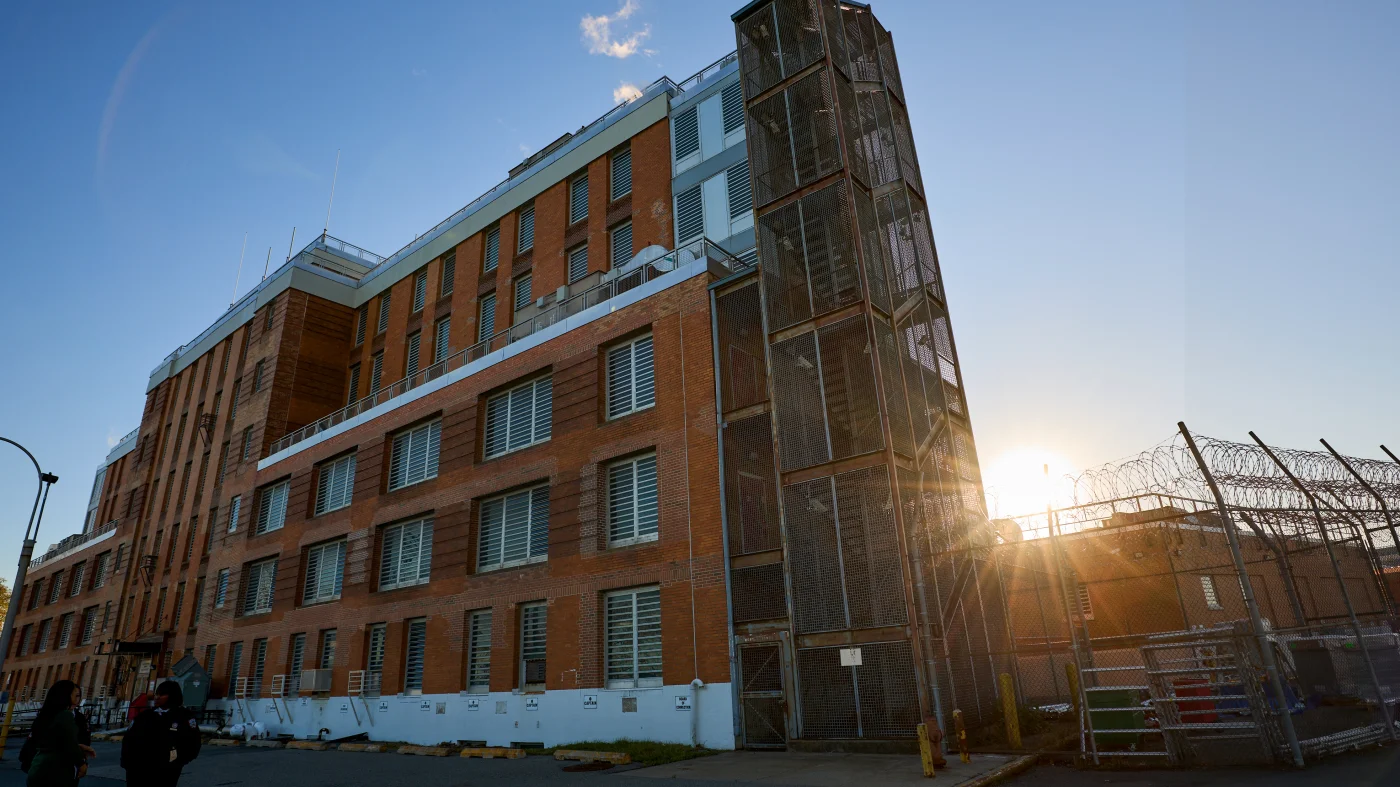
On November 20, 2026, New York City officials in New York released a road map to close the Rikers Island jail complex and shift detainees to smaller borough-based facilities, NPR reported.
“It is long past time to close what’s been a moral stain on our city,” Mayor Zohran Mamdani told NPR. “We cannot simply accept conventional public safety methods purely because that is how things have always been done.”
The city’s main pre-trial detention center has faced decades of abuse and neglect reports, sitting on a former garbage dump in the East River with dismal conditions and crumbling infrastructure. Inmates have filed multiple lawsuits accusing guards of excessive force, sexual assault, and high rates of violence.
A federal judge last year described the violence at Rikers as an unconstitutional danger for staff and detainees alike. Over fifty individuals have lost their lives under the supervision of the New York City Department of Correction since 2022, with the vast majority of these fatalities taking place at Rikers amid cases involving suicides, physical assaults, and unresponsive detainees.
New Blueprint Follows 2019 Council Plan to Close Rikers by 2027
The new blueprint arrives after the New York City Council approved a plan in 2019 to shutter Rikers by 2027 and build four smaller jails in Brooklyn, Manhattan, Queens, and the Bronx. Although city officials acknowledge they will miss that initial deadline, Mamdani insists his administration possesses the momentum to deliver results.

The administration plans to begin demolishing a lockup on Rikers Island next year, starting with the nearly century-old North Infirmary Command, The City Reporter has learned. The facility closed in June following deadly medical emergencies and major operational failures, including a February 2023 death where correction and medical staff failed to meet minimum supervision standards.
The construction schedule for the replacement facilities spans several years:
- 2027: Demolition of the North Infirmary Command begins.
- 2029: The Brooklyn detention facility is expected to be completed.
- 2031: The Bronx and Queens facilities are slated to follow.
- 2032: The final replacement jail in Manhattan is scheduled for completion.
The four new facilities will offer increased access to natural light, fresh air, and expanded space for recreation, education, and vocational training. Together, they are designed to hold about 4,500 people, well below the roughly 6,651 individuals held at Rikers as of Wednesday, according to figures reported by The City Reporter.
Rising Jail Stays and Court Delays Complicate Rikers Closure
Reducing the number of people behind bars remains the primary obstacle to closing Rikers for good. According to findings from the city’s most recent Mayor’s Management Report highlighted by The City Reporter, the mean duration of confinement inside municipal correctional facilities rose to 116 days during the 2026 fiscal year, marking an increase from 87 days recorded during the prior year.
Nearly a quarter of people in Correction Department custody have been held for more than a year, with some spending three years or longer awaiting trial.
Chief Administrative Judge Joseph Zayas of the New York State Unified Court System told NPR that processing evidence during discovery and administering mental health assessments contribute to prolonged stays. “The only way to solve this backlog problem is to hit each of these things. The sum of all of the efforts will help,” Zayas said.
Meanwhile, federal authorities stripped the city of its authority over Rikers last year, placing operations under a remediation manager. That official and Department of Correction Commissioner Stanley Richards traveled to Germany earlier this year to observe European correctional models centered on human dignity.
Christopher Watler, recently appointed chair of the New York City Board of Correction, reflected on anonymous phone calls from detainees detailing black mold and denied medications, contrasting those realities with international systems.
Rikers Island sits on a former garbage dump in the East River between the Bronx and Queens, connected by a single bridge opened in 1966. The island grew from under 100 acres to more than 400 largely through convict labor hauling ashes for landfill. It is named for Abraham Rycken, who took possession in 1664. The complex comprises ten jails and, in 2015, held an average daily population of 10,000 people with a budget of $860 million.
“New York City’s a great city. Our jail system isn’t great,” Watler told NPR. “It’s a broken thing. But how do you repair broken things?”

Hawaiian Humpback Whale Numbers Drop Sharply Since 2008 Peak, Study Finds
A comprehensive population study reveals that Hawaiian humpback whale numbers have dropped significantly since 2008, raising new questions...

Proposed Luxury Resort and Golf Course at Gilbert Regional Park Faces Existing Construction Contracts
A luxury resort and championship golf course could transform Gilbert Regional Park, though millions of taxpayer dollars are...

Denver Redirects Millions From Bike, Pedestrian Projects to Parking Operations
Denver has redirected millions of dollars meant for bike, pedestrian, and transit projects toward car-centric uses. When drivers...

Massachusetts Trial Court to Celebrate National Adoption Day With 116 Adoptions Scheduled
On Friday, November 20, 2026, the Massachusetts Trial Court will celebrate National Adoption Day in courthouses across the...