
“Stephens and I are here in the name of open dialogue, in the name of free inquiry, in the name of constructive conversations, which is what we try to model in the Times,” Frank Bruni said.
USC President Beong-Soo Kim hosted New York Times opinion writers Frank Bruni and Bret Stephens for a conversation on democracy and the midterm elections at Ginsburg Hall on Monday, Annenberg Media reported. The event marked part of the USC Open Dialogue Project, bringing together campus voices and prominent national commentators following the recent midterm contests.
Before stepping onto the panel, Bruni and Stephens sat down with student journalists to discuss why open conversation matters in a fractured political climate. The writers hold a weekly dialogue on current affairs for The New York Times, focusing on bridging divides rather than manufacturing outrage.
Online interactions reduce opponents to impersonal abstractions, Bruni told Annenberg Media during the student session. “It’s really easy to hate people who you only know in caricature,” he said.
Stephens echoed that sentiment, criticizing social media algorithms built specifically for outrage. He explained that he and Bruni deliberately steer clear of digital vitriol. “We’re not providing that clickbait-y fodder for people to get angry about and to be their worst selves about,” Stephens said.
Despite the severe polarization visible online, Stephens maintained that everyday citizens still hunger for civility and normal discourse. “People want this more than you would know, simply by inhabiting a purely digital life,” he told the student reporters.
Turning to the midterms, the pair reflected on what the election outcomes signal for the resilience of American democracy. Stephens expressed relief, arguing that the results defied pessimistic forecasts of institutional decay.
“I think what it says is that the reports on the death of democracy were badly exaggerated,” Stephens said. “Reasonably, thoughtful people were genuinely alarmed that we were slipping into an authoritarian age.”
Bruni admitted he shared those deep concerns prior to the ballots being cast. While cautioning against reading too much into a single election cycle, he argued that the results pierce through a polluted information ecosystem.
“It turns out that people can actually still understand what is happening to them in their societies, even through all of that corruption, even through the slop, the AI, the deepfakes, all of that,” Bruni said.
To safeguard that public understanding, Stephens said universities must foster diverse discourse. Campuses must remain places that protect varied perspectives rather than insulating minds from discomfort.
“Safe spaces for thought, not safe spaces from thought,” Stephens said. “That’s what a great school should do.”
Related reading

Connect to Providence: Mayor Smiley Calls Transition to Morales Smooth – WJAR
Providence Mayor Brett Smiley announced on Tuesday that he does not intend to enforce a voter-approved divestment measure...
U.S. Postal Service Reports Fiscal Year 2026 Results – Pennsylvania newsroom
The U.S. Postal Service announced its financial results for the 2026 fiscal year on September 30, reporting a...
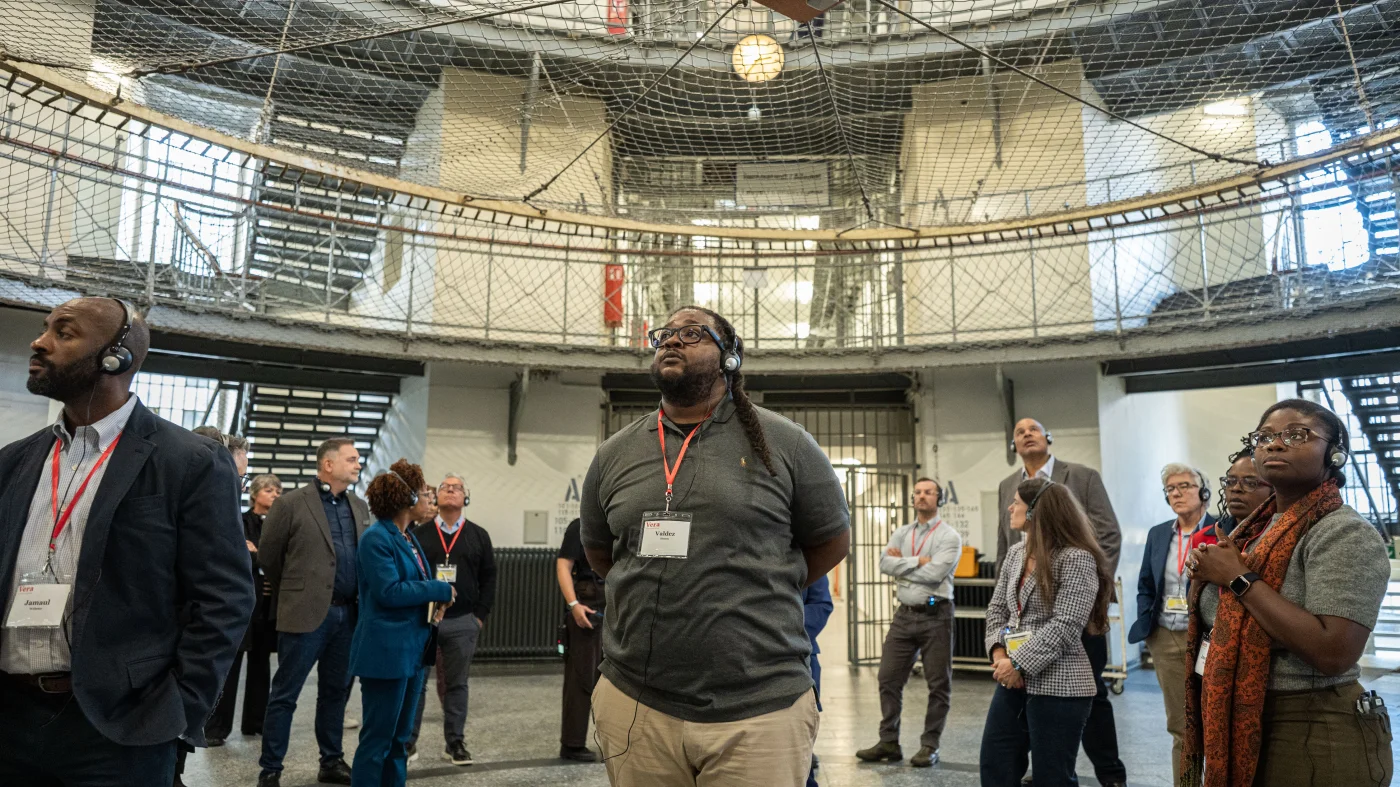
U.S. Officials Look to European Prison Models to Drive Criminal Justice Reform
A group of key New York City criminal justice officials spent time this October inside Berlin’s Tegel Prison,...

Kia Sorento PHEV and Hyundai Santa Fe HEV Offer Different Hybrid Paths
The Kia Sorento PHEV and the Hyundai Santa Fe HEV offer two distinct electrification strategies for seven-seat family...