
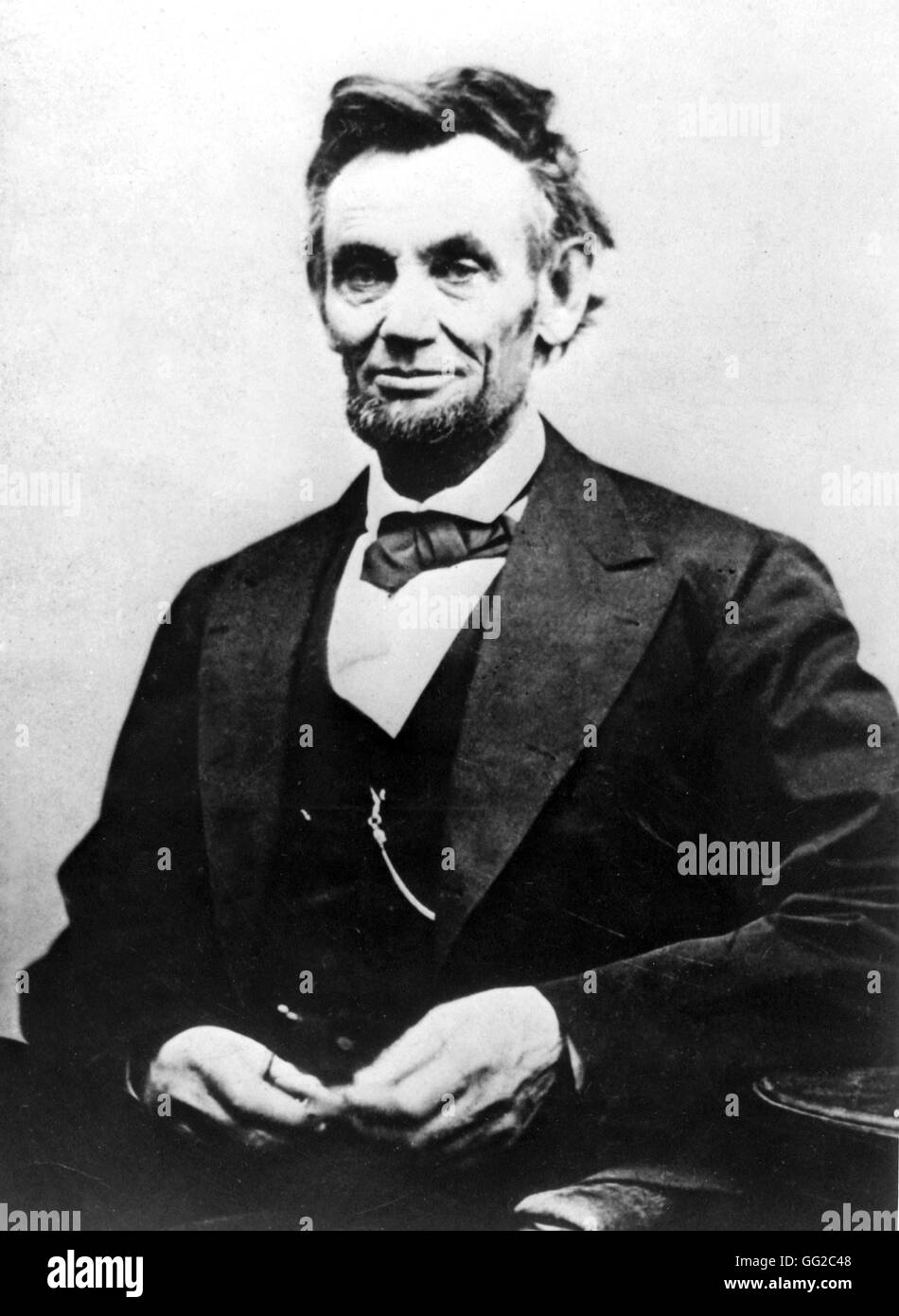
An Oberlin College student production staged this past week used the creation of Disney’s Abraham Lincoln animatronic to interrogate the price of creative ambition, The Oberlin Review reported.
Written and directed by College fourth-year Wesley Brubaker, The Making of Mr. Lincoln emerged from roughly eighteen months of writing backed by years of research into the Walt Disney Studios engineers who built the figure for the 1964 New York World’s Fair.
The play follows five inventors — Marc Davis, Roger Broggie, James Algar, Bob Gurr and Jack Gladish — as their initial enthusiasm for Disney’s “sunshine-filled vision of the future” curdles under relentless demands for perfection.
“I think that this play really explores the tension between desiring perfection out of art, and what art is really ultimately meant to be, which is a flawed but authentic representation of a human experience,” Eleanor Albers, a College second-year and the production’s assistant director, told The Oberlin Review.
The narrative splits in its second act, isolating Davis as the lone inventor still tethered to Disney’s orbit. Only when Disney falls hospitalized do the five men reunite, prompting Broggie to confront Davis with the reality that his continued labor no longer serves his own creative impulse.
Davis admits he has stayed for the sake of legacy — “something that generations will recognize 10, 20, or even 30 years into the future” — but the play undercuts that rationale. Audiences watch the world move on to the next innovation, leaving the perfected object behind.
Brubaker drew a pointed parallel between Davis and Disney himself. Both men began in the joy of drawing; both gradually substituted external monument-building for internal fulfillment. The production closes with Disney suffering what Brubaker called a “cruel fate”: reduced to an animatronic figure himself, the very form he imposed on Lincoln, remembered not for the experimental city or industrialist legacy he chased but as a mechanical simulacrum.
Oberlin College, founded as the Oberlin Collegiate Institute in 1833, is the oldest coeducational liberal arts college in the United States. In 1835, it became one of the first U.S. colleges to admit African Americans, and in 1837 the first to admit women. The Oberlin Conservatory of Music, part of the college, is the oldest continuously operating conservatory in the country.
“He wanted the complete opposite thing: To be remembered for this incredible city and this American industrialist legacy,” Brubaker said. “That has been his driving motivation for the whole story. To be relegated to this animatronic as, as he did to Lincoln, is a cruel fate for him.”
Keep reading

Idaho Foodbank joins Light the World Giving Machine in East Idaho
The vending machines at the ICCU Headquarters in Chubbuck don't dispense soda or snacks — they dispense weekend...
Minnesota Orders Fargo Adoption Agency to Fix Financial, Training Violations
The Minnesota Department of Children, Youth & Families has issued a correction order against Christian Adoption Services, a...

Judge Orders Regents to Clear Godfrey; NCAA Warns Arizona
"The NCAA has refused to engage with Arizona," Godfrey's attorneys wrote in an emergency motion filed Wednesday evening,...

Senior Helpers of Rhode Island Offers In-Home Care Since 2006, Emphasizes Aging in Place
Senior Helpers of Rhode Island has served the state since 2006, offering in-home care that lets older adults...