
One Columbus Police officer searched the same license plate 272 times over 13 months.
Ohio law enforcement is backing a bill to curb police misuse of Flock cameras, but a public records exemption in the proposal is facing sharp criticism. Ohio state Rep. Kevin Miller, R-Newark, is sponsoring House Bill 725, which would make abuse of license plate reader networks a fifth-degree felony.
The bill requires data to be erased after 180 days unless it’s required for an active investigation or legal proceedings, and instructs agencies to create regulations for using the data and perform periodic audits, Ohio Capital Journal reported.
- Rep. Kevin Miller sponsors House Bill 725 to make misuse of license plate readers a felony.
- Bill mandates deletion of data after 180 days unless needed for an active investigation.
- ACLU of Ohio criticizes the bill for a public records exemption on camera data.
Miller, who served with the Ohio Highway Patrol for more than 20 years, has the backing of Ohio’s prosecutors, sheriffs, police chiefs, patrolmen, and the fraternal order of police. The Ohio Mayors Alliance, the Ohio Chamber of Commerce, and the Ohio Business Roundtable are also on board, Ohio Capital Journal reported.

Supporters argue the cameras are vital for solving crimes. Retired Dublin police chief Heinz von Ekartsberg described how cameras helped solve a murder in Lorain. Columbus Division of Police Sergeant Travis Parker stated camera data has been a factor in 60% of his agency’s recent homicide arrests.
“That’s not anti-police; that’s professional policing,” Franklin County Sheriff’s Office Chief Deputy Rick Minerd said. “Give law enforcement the tools, define the playing field, protect constitutional rights, require legal process when legal process is required, and hold people accountable when they intentionally step outside those boundaries.”
Miller defended the scope of the public records exemption. “If I’m a drug dealer,” he said, “I could have my buddy file a public records request to see if my plate has been searched.”
But he floated a potential compromise in questions with representatives of Ohio’s police chiefs and sheriffs, asking if they would support an amendment to allow public records requests for the number of searches an agency conducted in a month, along with the reasoning for that search. The answers amounted to a qualified yes, Ohio Capital Journal reported.
The ACLU of Ohio, however, pushed back sharply. “What we have in Ohio is constant, warrantless mass surveillance of people that can and does reveal our whereabouts over time,” ACLU Legislative Director Gary Daniels told the House Public Safety Committee.
To Daniels, automated license plate readers are an ongoing violation of the Fourth Amendment. He noted that the U.S. Supreme Court has ruled in similar tracking cases—GPS, cell phones, and geo-fencing—that a warrant is required. The organization believes the safeguards in the bill fall far short of what’s needed.
“At a bare minimum,” Daniels said, “Ohioans should know how often their government is using (automated license plate readers), and for what reasons, as well as any number of others, inside and outside Ohio, are accessing Ohio data.”
Ohio, the nation’s seventh-most populous state with nearly 11.9 million residents, anchors the Midwest as a major manufacturing and transportation crossroads bordered by five states and Lake Erie. Its large urban centers — Columbus, Cleveland, and Cincinnati — generate dense traffic flows that make automated license plate reader networks especially pervasive, amplifying the privacy stakes for millions of daily commuters and residents.
Ohio Capital Journal Reporter Nick Evans can be followed on X or on Bluesky.
Indianapolis Veteran Faces Three-Month VA Mental Health Wait at Roudebush Hospital
Matthew King, 42, sought treatment for PTSD, anxiety and alcohol addiction after moving to Indianapolis this year to...
UK Net Migration Falls to 77,000, Lowest Since 1997 Excluding Pandemic
UK net migration fell to 77,000 in the year to June 2026, the lowest annual level since 1997...
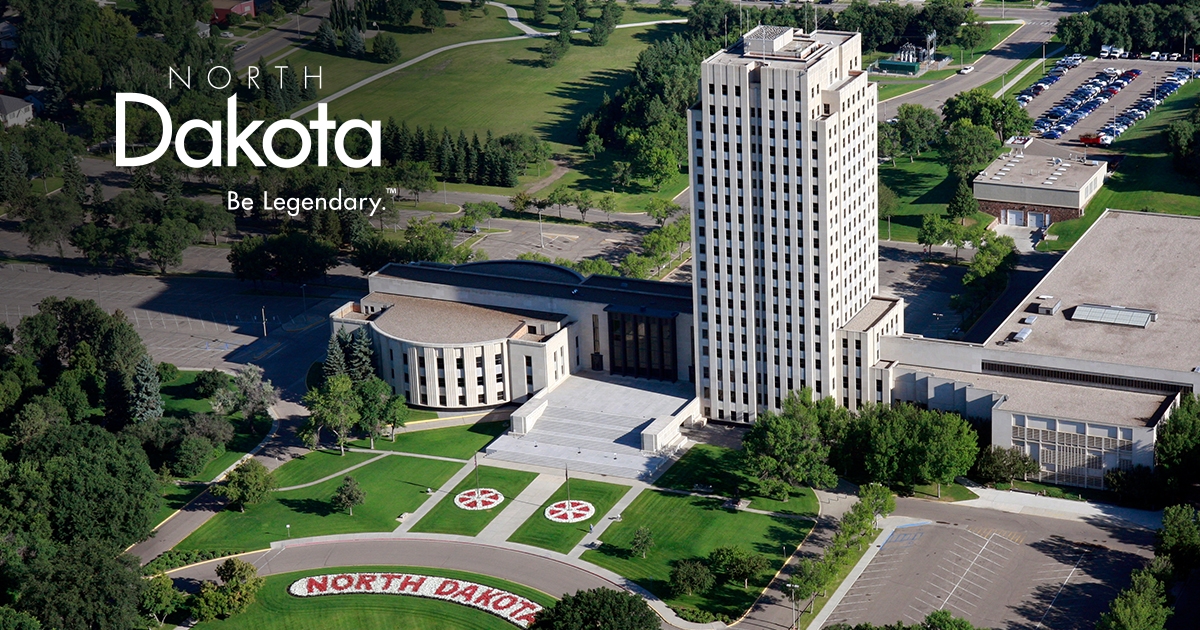
North Dakota Opens New State Laboratory Combining Public Health and Environmental Testing
North Dakota opened a $70 million, 100,000-square-foot State Laboratory on the Capitol grounds Thursday, combining public health and...

Colorado Approves Summer Phaseout of Commercial Gas-Powered Lawn Equipment to Address Ozone Pollution
Colorado's Air Quality Control Commission approved a rule Friday that will phase out most commercial gas-powered lawn equipment...