Ohio families heading to local farms this Thanksgiving weekend to select a live Christmas tree will find a wide inventory available as the holiday shopping season officially begins.
While many farms are opening their gates, experts warn that the timing of a purchase dictates how long the tree will last once brought indoors. As Ohio currently experiences milder weather and less snow, many shoppers may find this holiday week an ideal time to head outdoors to start their search.
Jeff Greig, vice president of the Ohio Christmas Tree Association, said that while the holiday weekend is a traditional start for many, those seeking the freshest possible tree should consider waiting. Shopping during this period offers customers a wider selection, but the longevity of the tree depends heavily on the specific variety chosen.
“A Norway spruce is generally a late-season tree because they’re going to drop needles a little bit faster than some of the other ones,” Greig said to wvxu.org. “If you’re after a Norway spruce, you don’t want to be putting that up at Thanksgiving.”
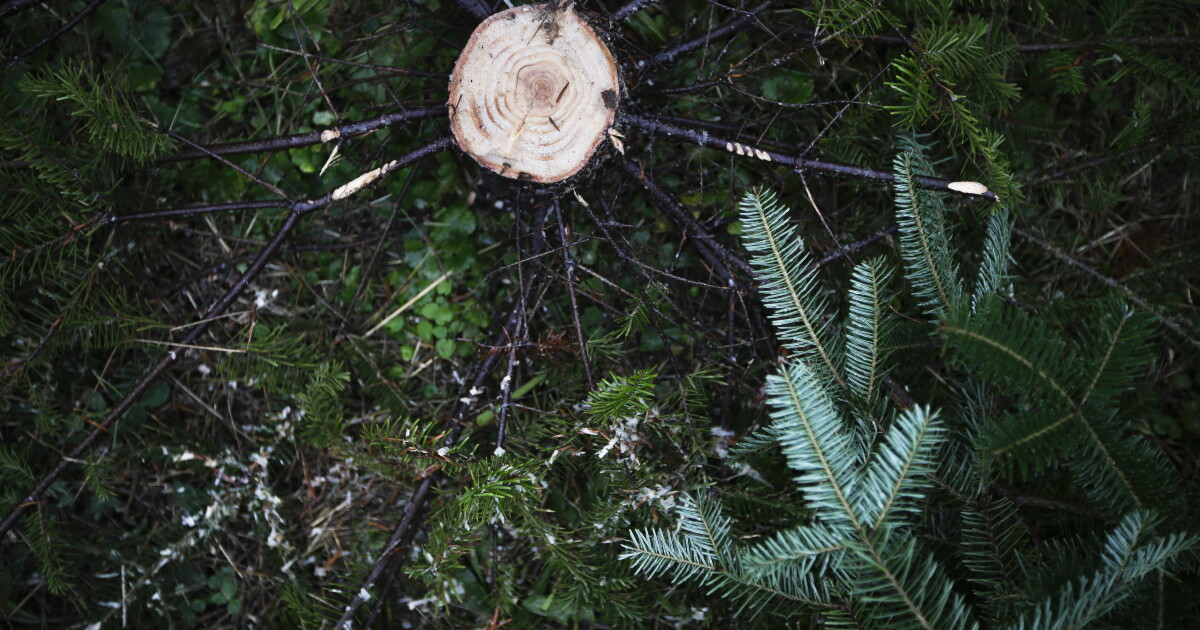
For early shoppers, Greig advised keeping trees in a shaded outdoor area and watering them periodically to maintain freshness. Direct sunlight should be avoided during this outdoor storage period. Once inside, trees must stay clear of heat sources such as fireplaces and vents. Homeowners should check the stand’s water level daily to prevent the trunk from drying out.
Proper Care and Tree Varieties
Maintenance begins the moment the tree is cut. Greig recommended placing a tree in water within approximately one hour of cutting. If more time passes, an inch should be trimmed from the bottom of the trunk before it is placed in a stand, which prevents sap from sealing the trunk and blocking water absorption. Colder weather can also assist in needle retention, as frosty nights help set the needles.
“Trees like that frosty night because it sets the needles a little bit so that they hold it a little bit better,” Greig said. “The warmer the house, the dryer the air in the house, the faster the tree might dry out a little bit more, or the more water that it needs.” Greig said.”
Market prices for live trees generally range from $10 to $17 per foot, and a seven-foot tree can cost between $80 and $100 depending on where it is purchased, according to Jeff Greig of the Ohio Christmas Tree Association.
While farms may use flat pricing or per-foot calculations, supplies for popular varieties like the Fraser fir and Canaan fir are expected to be good this season, according to Jeff Greig. Canaan firs are noted for being particularly well-suited to Ohio’s growing conditions. Scotch pine and white pine are also available at some farms, though they are currently less popular than in previous years.
Jeff Greig brings extensive industry knowledge to his role as the vice president of the Ohio Christmas Tree Association, a position he has held through his 2026 board term. His expertise is rooted in his long-standing experience as the owner of Greig Tree Farm in Ashtabula County, where he manages the complex production cycles required for holiday greenery.
Having navigated the industry for years, he understands the specific challenges of matching supply with consumer demand, noting that trees typically require seven to 10 years to reach maturity. This background informs his professional guidance on tree selection, storage, and proper maintenance to ensure customers achieve the best results with their live trees.
“We want people to be successful with their tree, and we want them to have a good experience,” Greig said. “We would rather people get their tree later rather than early.”

Louisiana Residents Sue to Void SpaceX Deal Alleging Eight Open Meetings Law Violations
“The efforts to keep the public in the dark are so extreme that after the Vermilion Parish Police...

Juneau Two-Day Itinerary: Land Day, Water Day, Closed Tram, and Real Costs
Juneau’s two-day itinerary splits the town into a land day downtown and up the valley, then a water...

Indiana State Police Warn Drivers on ‘Blackout Wednesday’ Before Thanksgiving
Indiana State Police warned drivers on Wednesday to avoid getting behind the wheel after drinking, noting that the...
Creation Entertainment Announces Supernatural Broadway Debut in Salt Lake City
Creation Entertainment has announced a debut Broadway-style performance titled SUPERNATURAL BROADWAY for Friday, November 26, 2027. The event...