
The atmosphere inside Ohio Stadium on Saturday was supposed to be a coronation, but it ended as a referendum on the state of the Buckeyes program.
After Ohio State surrendered a 14-0 lead to Oregon in a 41-28 loss, the frustration wasn’t just confined to the stands; it spilled over into a visceral, public rebuke from the very players who once defined the program’s standard.
This loss marks the team’s second defeat and its third of the 2026 season, effectively shuttering the window on any realistic College Football Playoff aspirations. According to Yahoo Sports, the performance has left the program at a 6-3 record—the first time head coach Ryan Day has lost three games in a season during his tenure in Columbus.
Former Buckeyes Demand Program Changes
The reaction from former Buckeyes was immediate and unforgiving. Social media, usually a place for alumni support, turned into a digital town square for calls to action. Tommy Schutt, a former defensive tackle, didn’t mince words in his first post in over six years: “Clean house. This is embarrassing.”
The sentiment was echoed across the spectrum of former players, many of whom pointed to a perceived erosion of the program’s identity. Michael Thomas, a standout wide receiver who transitioned to the NFL, noted the deviation from the expected standard: “We don’t sign up at Ohio State to lose back to back like that.”
Can’t allow a team to come in the shoe and be the bully that’s unacceptable and for sure not the culture. — Curtis Samuel, former Ohio State wide receiver
The frustration isn’t merely about the scoreboard; it’s about the optics of the collapse. After jumping to an early two-touchdown lead, the Buckeyes allowed Oregon to rattle off 38 unanswered points. The offensive stagnation was particularly glaring during the middle quarters, a span where star wideout Jeremiah Smith went without a catch, eventually leading to visible frustration on the sidelines.
Struggles Behind Center and on the Sideline
Critics have pointed to the game plan as a primary point of failure. Joel Klatt, providing analysis for Fox, questioned the team’s usage of elite talent, specifically regarding Jeremiah Smith, stating that the current approach “can’t be your game plan.”
Ryan Day acknowledged the gravity of the situation in his postgame comments, emphasizing that “there needs to be accountability” and that the burden of that correction rests with the coaching staff. Yet, for some observers, the problems run deeper than a single game’s play-calling.

The Debate Over Modern Expectations
The discourse has also veered into a generational critique of the current roster. Jeff Greene, a member of the 2014 national championship team, suggested that the issue reflects how the sport is changing, remarking that "the athletes are softer in 2026 and you just have to accept it."
This perspective clashes with those who believe the coaching staff is failing to maximize the current talent pool. Vaughn Broadnax, a former Ohio State fullback, pointedly shared a graphic comparing offensive rankings under former coordinator Kevin Wilson to the current era, suggesting that the team’s offensive struggles are tied directly to the current leadership.
As the program moves into a week defined by internal scrutiny, the question remains whether the current staff can stabilize a ship that appears to be taking on water. For now, the legacy of the program is being weighed against the reality of a 6-3 record and a fanbase that is running out of patience.
As former linebacker Joshua Perry noted, the sting of the current season is compounded by the personal cost to the players, particularly the loss of individual accolades that seemed well within reach just weeks ago. “The worst part of OSU having their worst season since before I played there, is that Jeremiah probably isn’t gonna win the Heisman now,” Perry wrote. “I hate that for him.”
Worth a look

Holiday Festival of Lights Returns to James Island County Park Nov 13
James Island County Park prepares for holiday season The Holiday Festival of Lights returns to James Island County...

Lawmakers Face Hegseth Impeachment Vote and Funding Deadline
“Their obsession with political theater disguised as power drives them to try to destroy their opponents,” Defense Secretary...

Bellows Falls Beats Mount Abraham 32-8 to Reach D3 State Final
The Bellows Falls Union High School football team is headed back to the state title game. Following a...
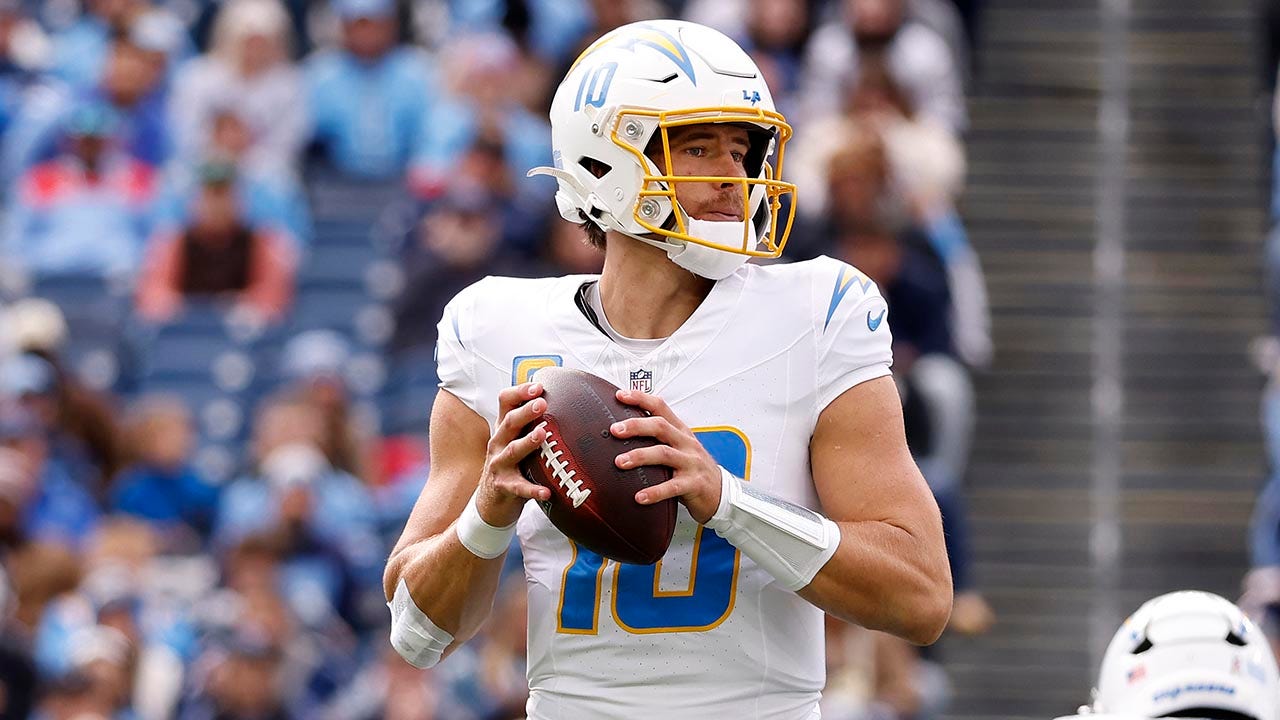
Texans vs. Chargers: Betting Markets Set Total at 40.5
Being an NFL schedule maker is an exercise in managing chaos, but even the best-laid plans can’t account...