Ohio University is increasing its Bachelor of Science in Nursing (BSN) enrollment to address the growing need for healthcare professionals while maintaining high licensure success rates.
In the spring of 2025, 203 students earned their BSN degrees through the university’s six-site program, OHIO Today reported. This cohort represents a deliberate effort to scale the nursing workforce without sacrificing the academic rigor or the hands-on clinical training that the School of Nursing provides.
The expansion follows a strategic decision made three years ago to admit more BSN students to the Athens campus. At that time, the university consistently saw more qualified applicants than the campus could accommodate. To manage this growth, the institution invested in additional faculty and resources to ensure the larger classes still received necessary student support and experiential learning opportunities.
“Our consistently strong outcomes come down to our people. We have outstanding students, and we have faculty who work incredibly hard to keep our curriculum aligned and rigorous across every one of our campus program sites,” said Char Miller, executive director of OHIO’s School of Nursing.
“Our faculty meet students where they are, and then they challenge every one of them to reach the same high standard by the time they graduate.”
Licensure pass rates exceed national benchmarks
A primary metric for evaluating nursing education quality is the performance of graduates on the NCLEX-RN, the national licensure examination required for professional practice. For three consecutive years, OHIO BSN graduates have surpassed the national first-time pass rates.
The following table outlines the aggregate pass rates for the program across all six campus sites:
| Year | OHIO BSN Pass Rate | National Pass Rate |
|---|---|---|
| 2025 | 93.6% (163 of 174) | 86.71% |
| 2024 | 97.6% (206 of 211) | 91.06% |
| 2023 | 98.5% (203 of 206) | 85.6% |
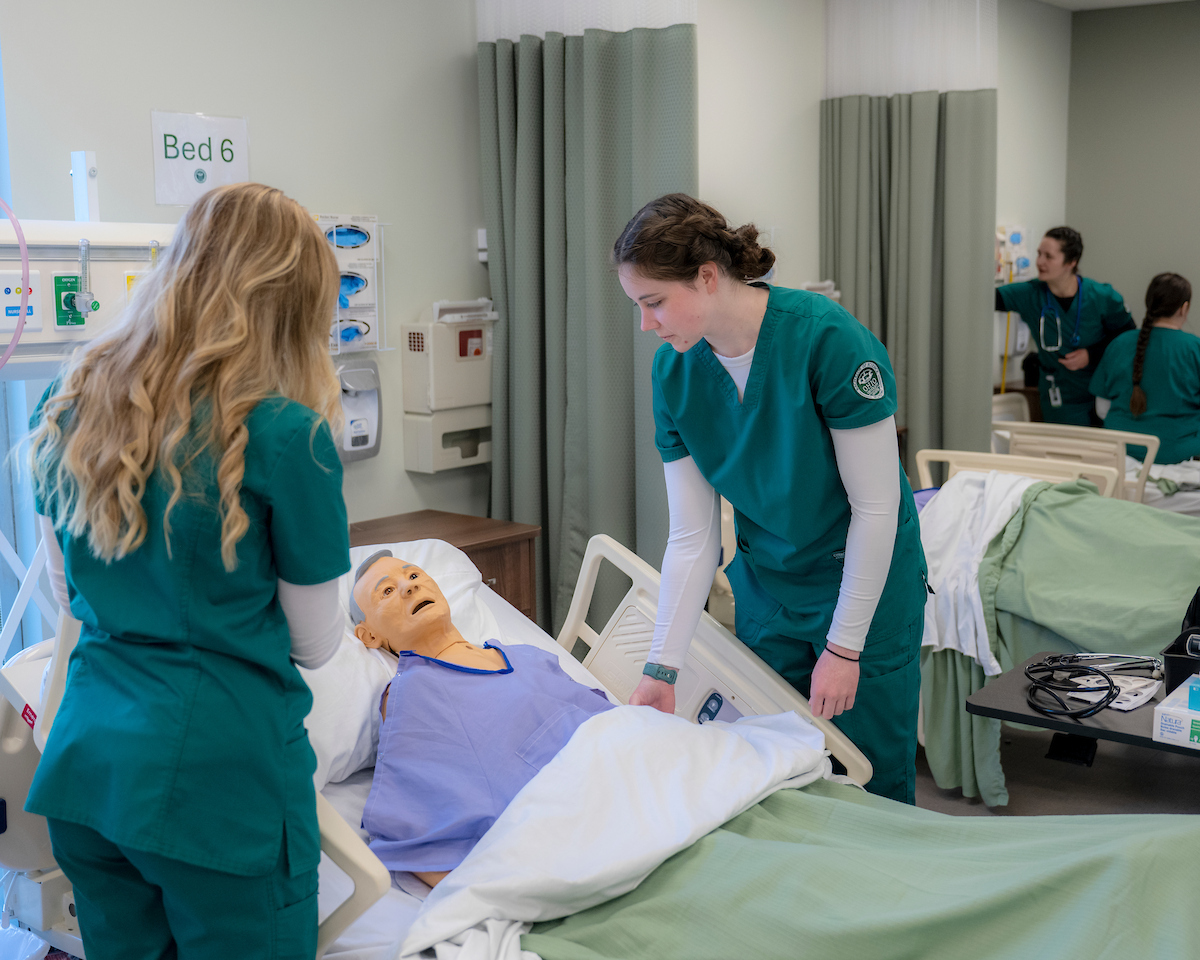
These figures suggest that the school’s model of combining classroom instruction with simulation environments and clinical experiences is effective. Students use these realistic settings to develop clinical judgment and technical skills before working directly with patients across various lifespans and backgrounds.
Regional access for Appalachian communities
The BSN program is not centralized solely in Athens. It operates across five regional campus sites: Chillicothe, Eastern, Lancaster, Southern, and Zanesville. This distributed model allows students to pursue a four-year degree closer to home, helping communities in Appalachian Ohio.
By providing local access to higher education, the program helps rural health systems “grow their own” nursing workforce. The application process is streamlined through a single multi-campus application. This allows students to be considered for all six sites simultaneously, giving them the flexibility to choose the campus that best fits their needs once they are offered admission.
The expansion of the program aims to do more than just increase the number of graduates; it seeks to expand the pipeline of highly prepared nurses into a healthcare sector that is under constant pressure to fill critical roles. Regional health systems and hospitals throughout Ohio and beyond continue to seek out these graduates for both frontline care and future leadership positions.
Related reading

Six Arrested in Anderson County Human Trafficking Investigation
Six people were arrested on Monday following a months-long human trafficking investigation targeting the owners of Imperial Grill...

North Dakota’s Rural Health Money Allocated but Details Not yet Public
North Dakota has allocated $199 million for the first year of a massive federal rural health care grant,...
Rhode Island Survey Reveals Critical Gaps in Healthcare Access
The findings, discussed during a panel moderation led by Beaudoin, reveal deep cracks in the state's healthcare infrastructure....

Blazers Go Ice-Cold Against Minnesota In Game 1 of Back-to-Back – Blazer’s Edge
The Portland Trail Blazers stumbled through a difficult 106-98 loss to the Minnesota Timberwolves on Sunday, a game...