Ohio Voters Block Data Centers in Three Towns, Sending Construction Stocks Down 21%
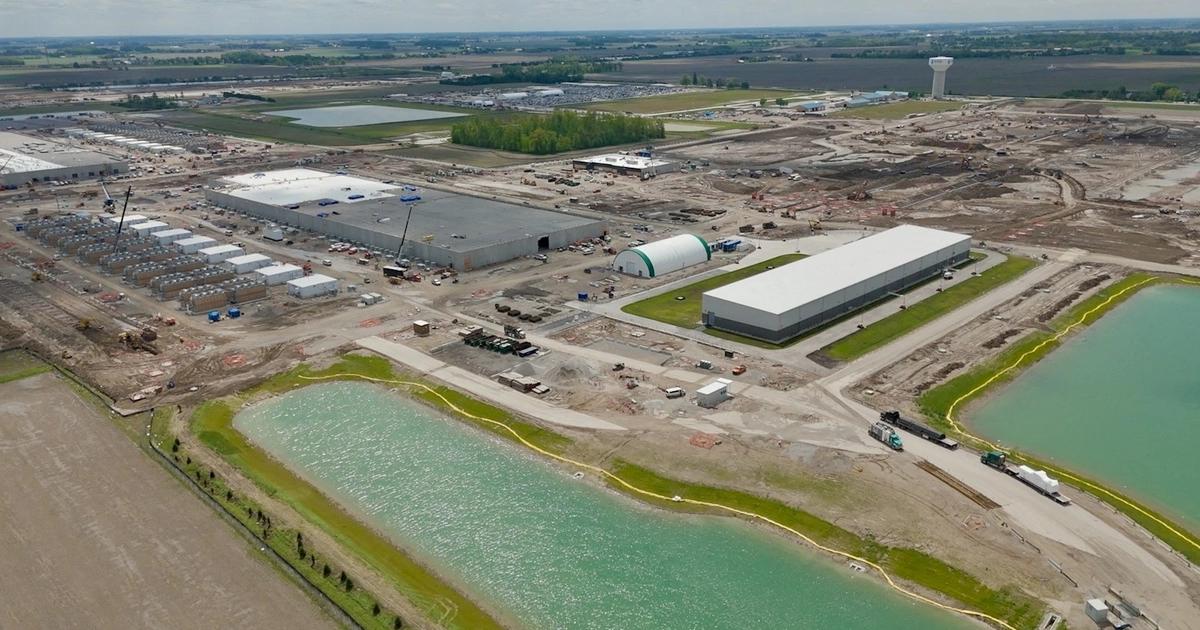
More than 40% of the nation’s planned data center capacity is located in states where governors or governors-elect have pledged or already imposed pauses on new data centers, and on Tuesday, voters in three Ohio communities approved bans or repealed a development deal. In Piqua, Trenton, and Ashville, ballot measures targeting large data centers passed, Semafor reported, with Piqua voters going so far as to recall the commissioners who backed Meta’s massive project there.
These Ohio contests belonged to a broader wave of opposition to data centers that spread nationwide through numerous ballot initiatives involving bans, moratoriums, or tighter regulations and oversight. While each vote was hyperlocal and often emotional in nature—driven by resident concerns about land use, utility costs, and neighborhood character—they could carry real financial consequences because some of the projects at stake were already in motion. Land had been purchased, agreements signed, and in some cases construction started.
Meta and Amazon Confront a New Political Reality
Last year, Meta purchased over 600 acres in Piqua for approximately $110 million and executed agreements with the city in January. Now the ban leaves the future of that investment uncertain, and the company must negotiate with a newly constituted city commission that no longer supports the project.
“We are proud of our investments in Ohio, and will work with local officials to determine the future of our investment in Piqua,” a Meta spokesperson told Semafor on Wednesday.
Less than 50 miles south in Trenton, a similar ban passed, effectively blocking Amazon’s proposed 600-acre campus on land the city had hoped to annex. The ban cuts off a project that local officials had counted on for economic development.
An Amazon spokesperson didn’t directly comment on the vote but said the company is “committed to setting a high bar for responsible data center development in Ohio, and will continue engaging communities early as we build out this important infrastructure.”
Not every project ground to a halt. Outside Columbus, in Ashville, voters repealed the village’s deal with developer EdgeConneX, but the company said its development is moving forward despite the vote, given that its permits are secured and construction is already underway. This split outcome shows how the timing of local votes matters: projects further along can continue, while earlier-stage deals face cancellation.
Wall Street Splits on Who Wins and Who Loses
Per a Cleanview analysis, over 40% of the US’ planned data center capacity is situated in states where governors or governors-elect have committed to or already enacted a pause on new data centers. That doesn’t mean the data center buildout will grind to a halt entirely, but markets are clearly pricing in a slowdown.
Shares of companies that are directly exposed to the physical buildout of data centers tanked Wednesday. Modine, a maker of data center HVACs, fell about 21%, and Sterling Infrastructure, which handles site prep and electrical work, also dropped 21%.

Hyperscaler stocks, though, soared on the news, with traders betting that restrictions will force tech giants to rein in the rapid spending that has pushed their free cash flow to negative territory.
More restrictions on data center construction also means tech giants’ compute capacity “potentially even becomes more valuable,” Morgan Stanley US Equities Strategist Andrew Pauker told Semafor.
Tuesday’s votes show that even in the heart of Ohio’s data center boom, local opposition can stop projects that have already attracted hundreds of millions of dollars in investment.
More on These Ohio

Vermont Democrats Reclaim supermajorities in House and Senate
Vermont Democrats Reclaim Veto-Proof Supermajorities in Stunning Legislative Sweep The numbers tell the story plainly: 102 to 38...

Utah has no single statewide tally of uncounted ballots the morning after the 2026 general
Utah has no single statewide tally of uncounted ballots the morning after the 2026 general election, but county...

Victoria Broderick Celebrates Surprising Congressional Win in Tennessee
"They messed around and they found out," Victoria Broderick told Axios Nashville of the Republican-led effort to redraw...

James Talarico wins Texas US Senate race against Ken Paxton
Hundreds of James Talarico supporters gathered on the patio outside the Long Center for the Performing Arts late...