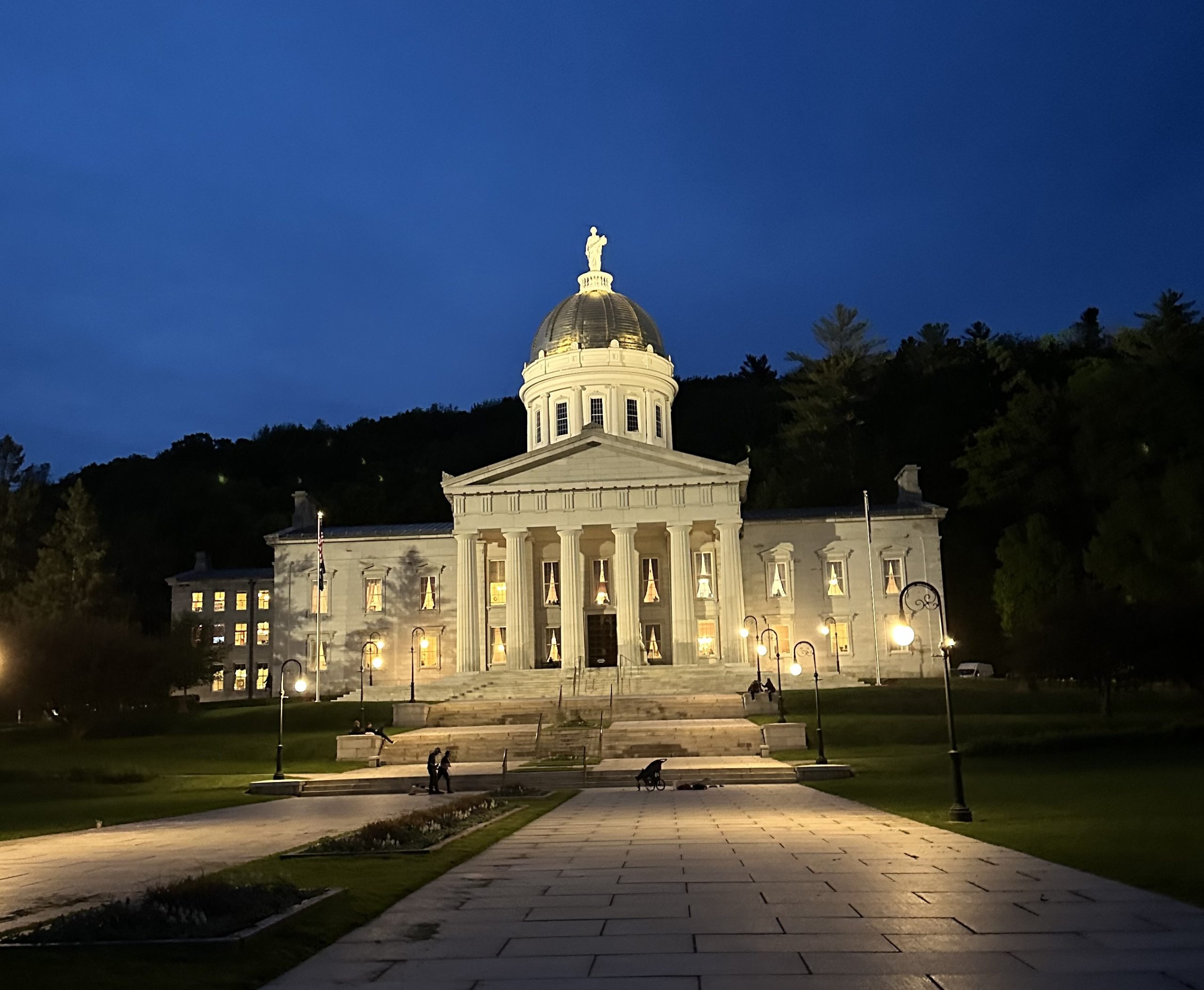
Vermont Democrats Reclaim Veto-Proof Supermajorities in Stunning Legislative Sweep
The numbers tell the story plainly: 102 to 38 in the House, 20 to 8 in the Senate. When the new session convenes in January, Democrats will hold two-thirds majorities in both chambers of the Vermont Legislature, restoring the power to override Gov. Phil Scott’s vetoes—a leverage point the party lost just two years ago. Seven Days reported the decisive Tuesday night results that returned the Statehouse to Democratic control while Scott, a Republican, secured a sixth term in the governor’s office.
This election reversed the losses Democrats suffered in 2024, when President Donald Trump’s return to the White House coincided with Republican gains that shattered the party’s supermajorities in Montpelier. Tuesday’s “blue wave” swept through the state alongside nationwide Democratic gains, wiping out nearly all of the GOP’s 2024 legislative pickups.
The Senate Flips Four Key Seats
In the 30-member Senate, Democrats will expand from 16 seats to 20, according to preliminary results from the Vermont Secretary of State’s Office, while Republicans drop from 13 to eight. The party flipped closely watched contests in Orange County, Addison County, Grand Isle County, and the Chittenden North district. In Rutland County, independent David Wolk—a former president of Castleton State College—ousted Republican Sen. Terry Williams, who had been arrested the week before on suspicion of domestic assault.
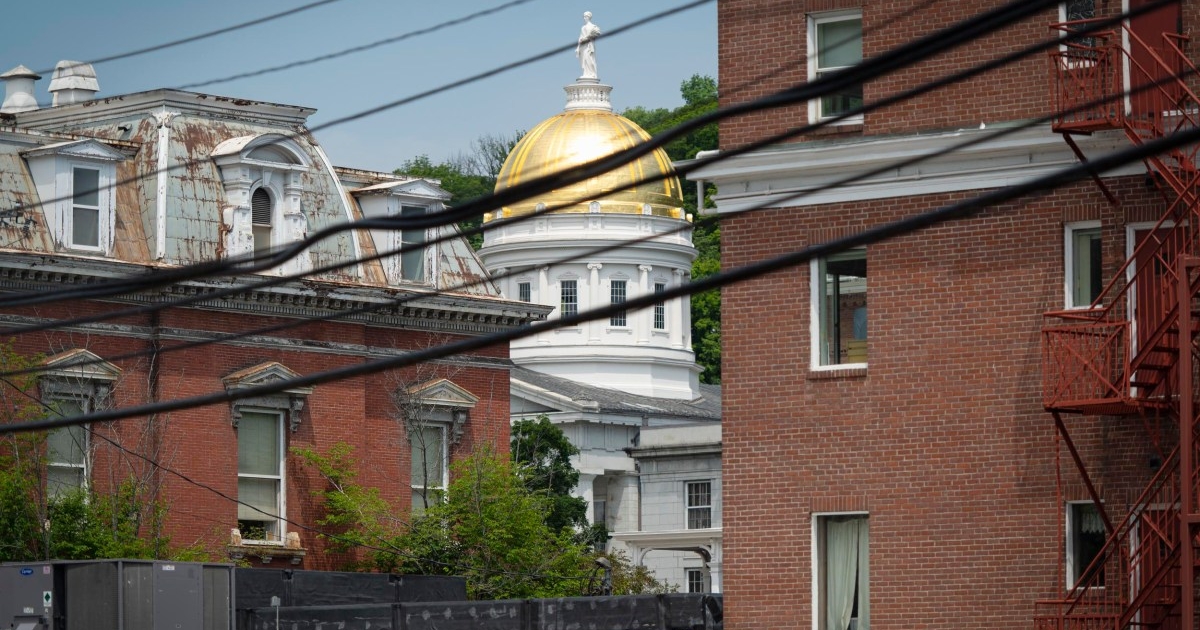
“I think jubilant is a good word,” said Liam O’Sullivan, House caucus director for the Vermont Democratic Party, reacting to the results. “The energy in the room last night was great after a tough election in 2024.”
The upper chamber will also include a Democratic lieutenant governor presiding, plus one Progressive and one independent, giving Democrats firm control. Washington County Sen. Andrew Perchlik, the Democratic chair of the Senate Appropriations Committee, described the outcome as a surprise. “I was surprised what a tsunami it really was in Vermont and across the whole country,” he told Vermont Public.
House Gains Extend Beyond Two-Thirds Threshold
The 150-member House saw Democrats grow from 87 seats to 102, well above the 100 needed to override vetoes. With seven Progressives and three independents also elected, a potential coalition of 112 lawmakers could easily overwhelm the 38 remaining Republicans. Some races remain too close to call: in Hardwick, Republican incumbent Michael Southworth led Democrat Audrey Grant by just eight votes, likely triggering a recount, while in southern Franklin County, Democrat Caroline Bright held a two-vote edge over Republican Bob Stebbins.
Burlington’s delegation shifted notably. Former city councilor Ali Dieng, a Democrat, defeated independent Dave Hartnett to join Rep. Carol Ode in the New North End. In the Chittenden-16 district, two Progressives—Trang Do and Jeffrey Peterson—prevailed, while in Chittenden-15, Democrat Ben Bosley and incumbent Progressive/Democrat Brian Cina won seats, ousting Troy Headrick, a former Progressive who ran as an independent.
Scott Survives the Wave, but His Party Doesn’t
Gov. Phil Scott stood alone as the only Republican to win a statewide race Tuesday, defeating Democrat/Progressive Amanda Janoo by a narrower margin than expected. Political observers noted that Scott’s personal popularity insulated him from the national backlash against Trump, even as down-ballot Republicans suffered. “The only person who was impervious to the tsunami was Phil Scott,” said longtime journalist Chris Graff.
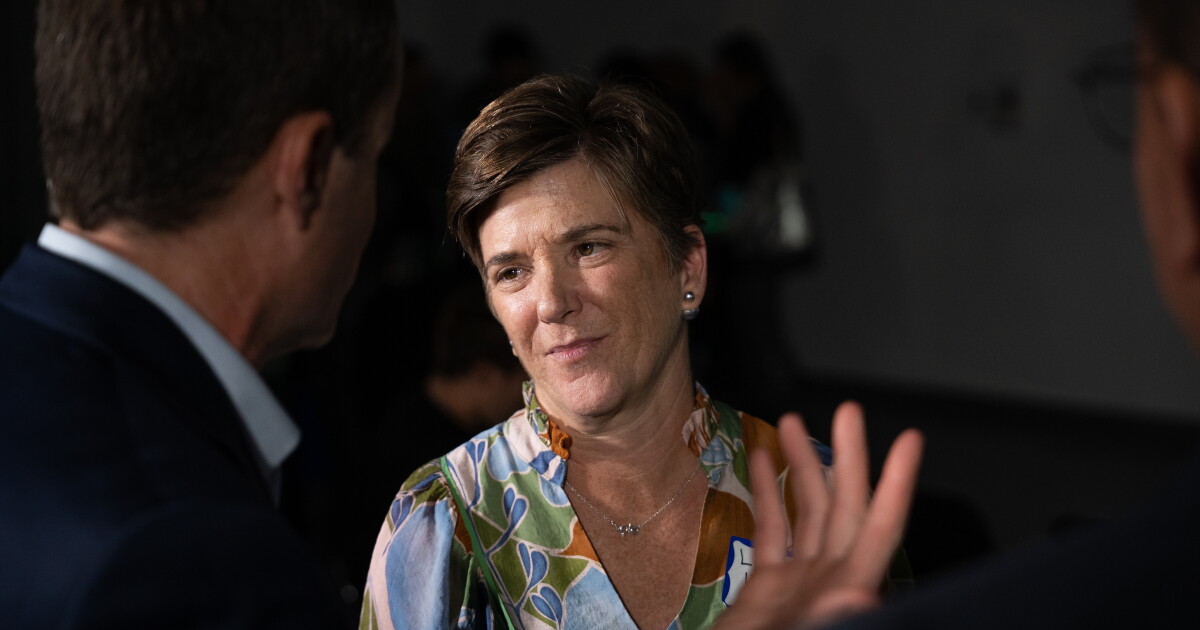
Senate Minority Leader Scott Beck, who survived his own race by fewer than 200 votes, acknowledged the shift. “The Democrats had a better night than the Republicans, especially in the Legislature,” Beck told Vermont Public. “So their voice is going to be a little bit stronger come January. That’s just the way it works.”
Republican Party Chair Paul Dame attributed the losses to voter anger at the federal administration. “Pretty much all the gains that we had the last two years are essentially wiped out,” he said. He also noted that the usual Vermont pattern—where state-level Republicans outperform federal candidates—was “completely eliminated” this cycle.
What a Veto-Proof Majority Means in January
With supermajorities secured, Democrats can now advance legislation over Scott’s objections. Perchlik indicated the caucus will revisit proposals previously blocked by veto threats, including a tax surcharge on income above $500,000 annually. “We’re definitely going to look at some things that maybe before people thought, ‘Well there’s no reason to do that because the governor will definitely veto it and we can’t override it,’” Perchlik said. “So it opens the window a little wider than it has been in the last session.”
House Majority Leader Lori Houghton, a candidate for speaker, said the veto-proof edge “gives us a lot of leeway,” though she expressed preference for tripartisan collaboration. She suggested Scott could improve relations by changing his rhetoric about legislative cooperation. “When he tells Vermonters we’re not working with him, it’s not accurate,” Houghton said.
Republican Barre Town Rep. Gina Galfetti, also running for speaker, emphasized that affordability united candidates across party lines. “Every single candidate in the state ran on affordability,” she said, noting she is already collaborating with a Progressive ally on down payment assistance legislation.
How Democrats wield this new authority remains uncertain. The Scott administration’s vetoes of data center restrictions and health care premium controls gave Democrats clear political advantages during the campaign, but governing will demand reconciling the expanded Democratic caucus’s ideological differences—ranging from moderates to Progressives—while working with a governor who still enjoys personal popularity despite his party’s legislative defeat.
Keep reading

Wyoming Highway Patrol Limits Mileage and Overtime to Offset Budget Overrun
Wyoming Department of Transportation Director Darin Westby told lawmakers at a meeting last week that the agency has...
Democrats Gain Seats in West Virginia Legislature Amid GOP Supermajorities
Democrats Gain a Dozen Seats in West Virginia Legislature as Republicans Keep Supermajorities Democrats picked up 12 seats...

UW-Platteville volleyball beats Cornell College in five sets
The University of Wisconsin-Platteville volleyball team dug out of a two-set hole and beat Cornell College 25-17, 22-25,...

Phil Scott Wins sixth term as Vermont governor defeating Amanda Janoo
Vermont Governor Phil Scott won an unprecedented sixth two-year term on Tuesday, defeating Democrat Amanda Janoo 52 to...