
McIntyre Law reported that recovering from an Uber accident in Oklahoma City means dealing with a complex web of insurance policies and liability questions. For injured riders, the convenience of a rideshare can turn into a maze of legal questions when a crash happens. McIntyre Law, a firm with over 90 years of combined legal experience and a history of recovering over $900 million for clients, is stepping in to help victims understand their options and pursue the compensation they need.
Untangling the Web: Liability in Oklahoma City Uber Crashes
Determining who is responsible after an Uber accident is rarely straightforward. The answer hinges on the driver’s status at the moment of impact and whether anyone acted unreasonably. This isn’t a simple fender-bender scenario; it’s a puzzle with several pieces that must fit together to build a clear picture of fault.
According to McIntyre Law, the responsible party—or parties—could be the Uber driver themselves. A driver who speeds, gets distracted, or violates traffic laws may cause a collision. In other cases, the blame might lie with another motorist who runs a red light, fails to yield, or drives recklessly. And in more complicated collisions, the fault could be shared between multiple drivers. Police reports, witness statements, and photographic evidence are the key pieces used to establish exactly what happened and who may be held accountable.
Oklahoma City residents are well aware of the city’s bustling streets. This leaves injured individuals to face a system designed for standard car accidents, not the unique circumstances of a gig economy vehicle.
McIntyre Law states that an experienced Oklahoma City personal injury lawyer can help sort through these issues and protect victims’ interests, and that victims deserve to focus on getting better without having to manage a complicated legal claim on their own.
The Insurance Labyrinth: Coverage Depends on the Uber App
One of the most confusing aspects of an Uber accident claim is the insurance coverage. Unlike a typical car accident where one or two policies are involved, an Uber crash can involve several layers of coverage, all depending on the driver’s status. This complexity is a primary reason why legal representation is crucial.
If the Uber driver isn’t logged into the app, their personal auto insurance generally applies. Uber’s rideshare insurance typically won’t cover the accident. However, once the driver is logged into the app but hasn’t accepted a ride request, Uber provides limited third-party liability coverage when the driver’s personal insurance doesn’t apply.
The situation changes when a driver accepts a ride request or has a passenger in the car. At that point, Uber generally provides at least $1 million in liability coverage for covered trips until the ride ends. This is a level of protection, but its application depends entirely on the specific terms of the policy and the circumstances of the crash. McIntyre Law can review the driver’s status and the relevant insurance policies to determine exactly what coverage may be available to an injured victim.
Compensation and the Clock: What You Can Recover and How Long You Have
The fallout from an Uber accident extends far beyond immediate physical injuries. Medical bills can mount as treatment continues, and the inability to work can create a cascading financial crisis. The compensation available is designed to address this entire spectrum of loss.
Depending on the severity of their injuries and the evidence supporting their claim, victims may be able to recover compensation for a wide range of damages. This includes emergency care, hospital stays, and medical treatment. It also covers physical therapy and future medical expenses. Lost wages and reduced earning ability are a critical component, as is compensation for property damage and other out-of-pocket costs. Beyond the financial, victims can also seek compensation for physical pain, emotional suffering, and the loss of enjoyment of daily activities.
However, time is a critical factor. In Oklahoma, the law imposes a deadline. Most personal injury lawsuits must be filed within two years of the injury. While some exceptions may apply, waiting can make it significantly harder to gather evidence or locate witnesses whose memories fade. Speaking with an attorney early is essential to understanding these deadlines and ensuring no unnecessary delays derail a potential claim.
For Oklahomans, the stakes are personal. An unexpected ride home shouldn’t become a financial and legal nightmare. The complexity of these cases demands expertise, and the path to recovery is often unclear without professional guidance.

It’ll affect schools and teachers and part of those families that are working in other industries
"It'll affect schools and teachers and part of those families that are working in other industries that aren't...
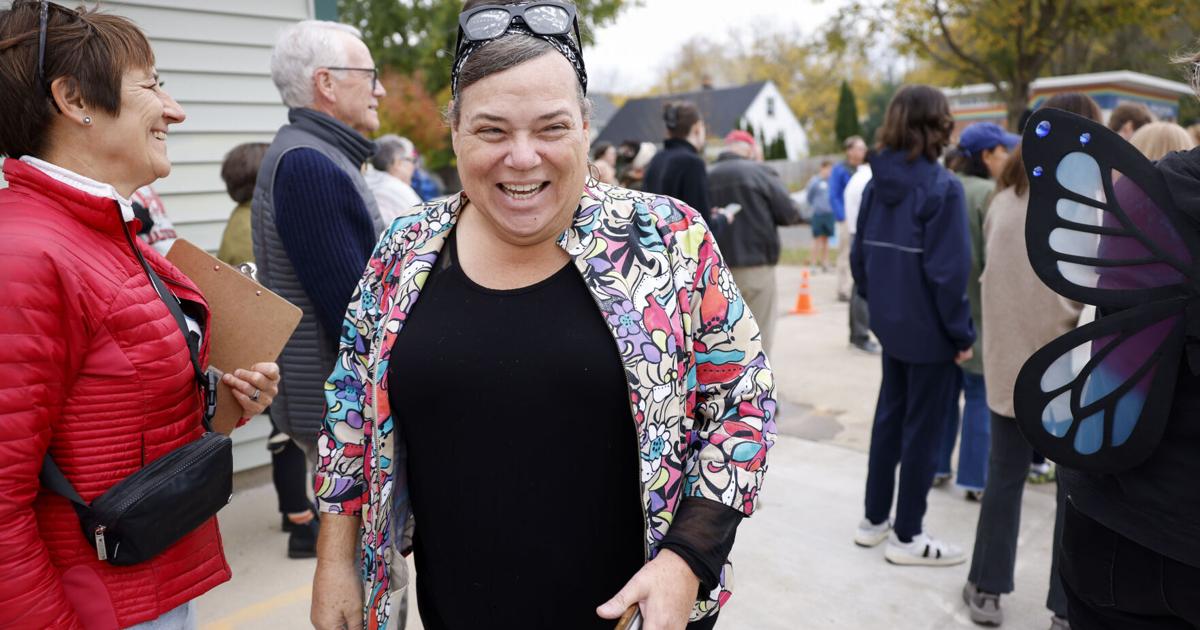
Wisconsin Elects First Transgender State Lawmaker Dina Martinez-Rutherford
Wisconsin Elects Its First Transgender Lawmaker Madison made history Tuesday night, electing Dina Nina Martinez-Rutherford as Wisconsin’s first...

WV Supreme Court upholds Charleston’s demolition of Chinese restaurant
Charleston's Demonation of Chinese Restaurant Upheld, $58K Judgment Stands Charleston can keep the money. The West Virginia Supreme...
Construction Underway on South Burlington Walk-Bike Bridge Over I-89
A $27 Million Lifeline Takes Shape: Walk-Bike Bridge Rises Over I-89 After decades of crossing a dangerous and...