Rhode Island Senate to Overhaul Rules After GOP Seats Shrink to Historic Low
The Rhode Island Senate is bracing for a fundamental rule change this January, forced by an election that left the chamber with just two Republican members.
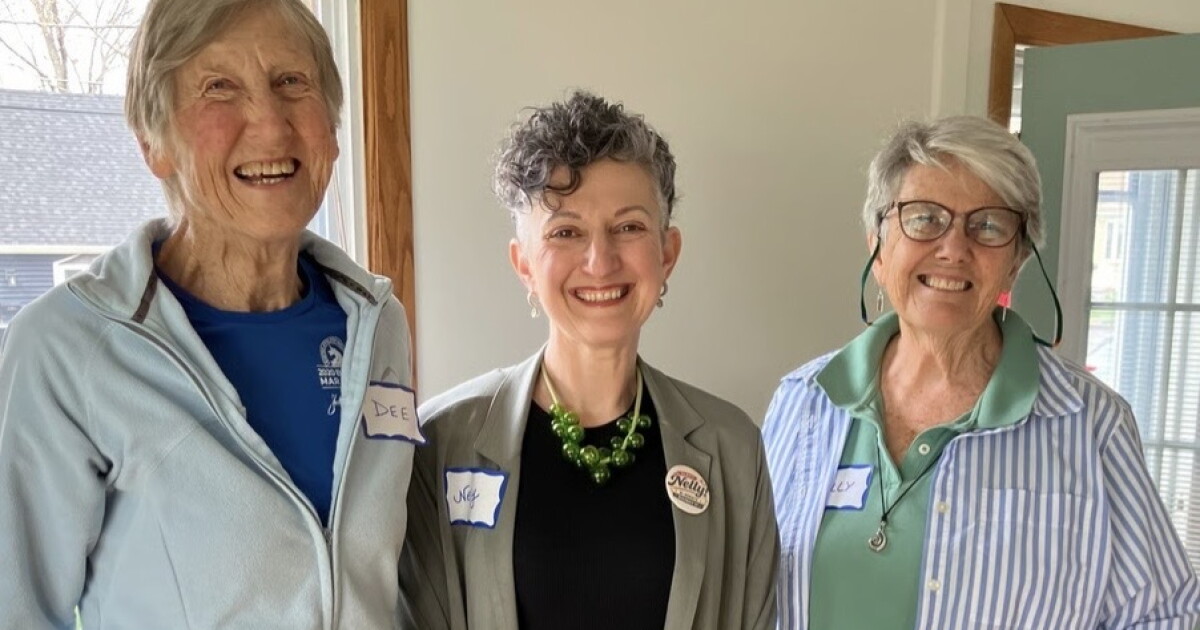
Samantha Wilcox, president of the Richmond Town Council, defeated six-term incumbent Elaine Morgan, a staunch supporter of former President Trump. Nelly Burdette, a first-generation immigrant, unseated state Sen. Thomas Paolino in Lincoln. The losses reduce the Senate Republican caucus from four to two, a historic low that hadn’t been seen since at least 1950, according to Secretary of State Gregg Amore’s office.
The Senate’s rules, which mandate a bipartisan committee structure, will have to be rewritten to reflect the new political reality. A spokesman for the chamber confirmed the outcome necessitates a change to those governing rules.
“We canvassed over 4,000 doors, we spoke with residents of all political aisles, and we were there for them,” Wilcox said in an interview.
“I think the people saw that and felt confidence in me to do this work.”
Wilcox Credits Voter Engagement
Wilcox attributes her win, in part, to the national “Blue Wave” that propelled Democrats into office. But she also credits a hyper-local, ground-level effort. Her campaign’s focus on direct voter engagement resonated deeply in her district, a strategy that stands in stark contrast to the traditional party machinery.
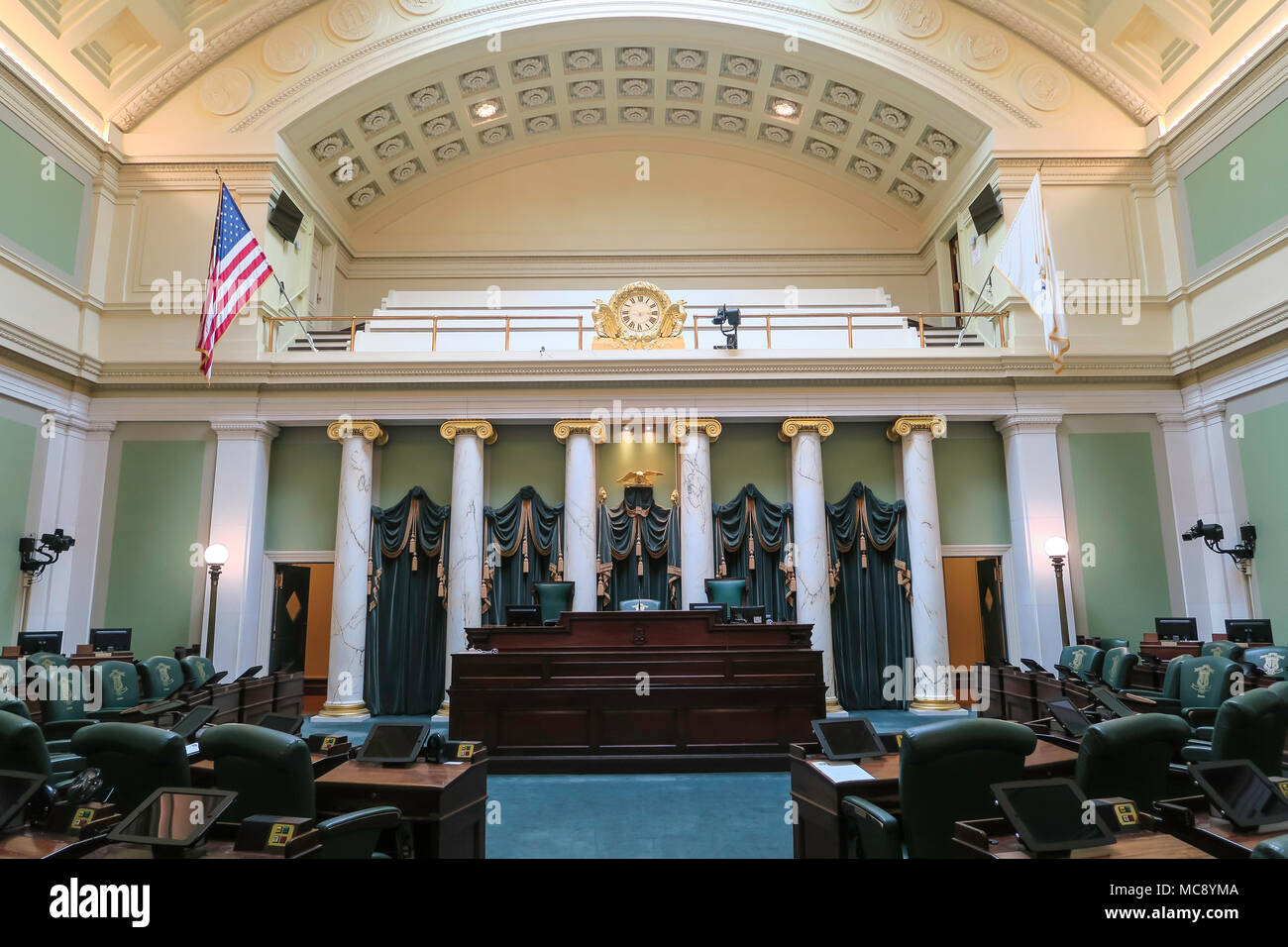
Her victory, and Burdette's, show a change in Rhode Island's political makeup. Ocean State Media’s analysis shows how the state’s House of Representatives has moved in a more progressive direction over the last decade. The Senate, once a bastion of more socially conservative Democrats, is now poised to follow suit, creating a government where near-unanimous Democratic control could redefine legislative priorities.
The change in the Senate is matched by a similar, though less dramatic, shift in the House. The number of GOP lawmakers in the 75-member chamber is set to fall from 10 to 8, with the defeats of first-term Republicans Richard Fascia of Johnston and Chris Paplauskas of Cranston. Former Mayor Allan Fung, who left the GOP to become an independent, soundly defeated Paplauskas by 10 points, capturing a seat once held by his estranged wife.
The Progressive Organizing Machine
The victories of Vega and Burdette, both first-time candidates, have been celebrated by progressive groups who see their wins as a direct result of community organizing.
In a statement, Anusha Venkataraman, state director for RI-WFP, said Vega and Burdette, a first-generation immigrant, “won because working people organized for them door by door, without waiting for the party establishment to show up. Voters are hungry for candidates who are rooted in their communities and the issues they live with every day, not in the party machine.”
Isaac Slevin, field director for Reclaim RI, echoed this sentiment, highlighting the economic anxieties that propelled their candidates to victory. He pointed to volunteers’ conversations with families whose children had graduated college but were living at home due to high housing costs and scarce jobs. “Voters want elected officials to deliver bold economic relief, and they’re rejecting Republicans and corporate Democrats who aren’t up to the task,” Slevin wrote in an email.
This focus on economic issues, coupled with a strategy of massive door-knocking, appears to have energized a segment of the electorate that previously sat out elections. In Woonsocket, Reclaim RI volunteers knocked on more than 2,000 doors in the final three weeks alone, engaging directly with voters who felt ignored by the traditional political process.

A Different Perspective on the New Direction
State Rep. Jon Brien, a conservative Democrat-turned-independent who lost his seat to Veronicka Vega, paints a different picture of the newly activated voters. He characterized some of the progressive base as “drug-addled and unserious,” telling an interviewer, “When people show up to the polls in their pajamas, reeking of marijuana, they’re not there to vote for the independent, I can tell you that.”
Brien, who predicted the state’s continued leftward shift would lead to unsustainable spending, offered a stark warning. “What I know is we’re going to run out of money,” he said.

Even some Democratic stalwarts have long argued that the state would benefit from more partisan balance. Former Rhode Island AFL-CIO President George Nee, for instance, has opined over the years that a lack of GOP representation weakens legislative discourse. Yet, the electoral calculus continues to push the state in the opposite direction.
The Local Imperative
For Samantha Wilcox, the question of the Senate’s overall partisan makeup was less important than her own ability to represent the people of her district. She noted that voters sometimes asked her, “Why do we need another Democrat?” Her response was pragmatic: “We cannot control who Providence sends as their senator. We cannot control who Foster sends as their senator. We can only control who we send, and we need someone who can represent our district effectively.”
As Rhode Island prepares for a legislative session with historic one-party dominance, the new members like Wilcox and Burdette carry the expectations of thousands of constituents they personally engaged.

It’ll affect schools and teachers and part of those families that are working in other industries
"It'll affect schools and teachers and part of those families that are working in other industries that aren't...
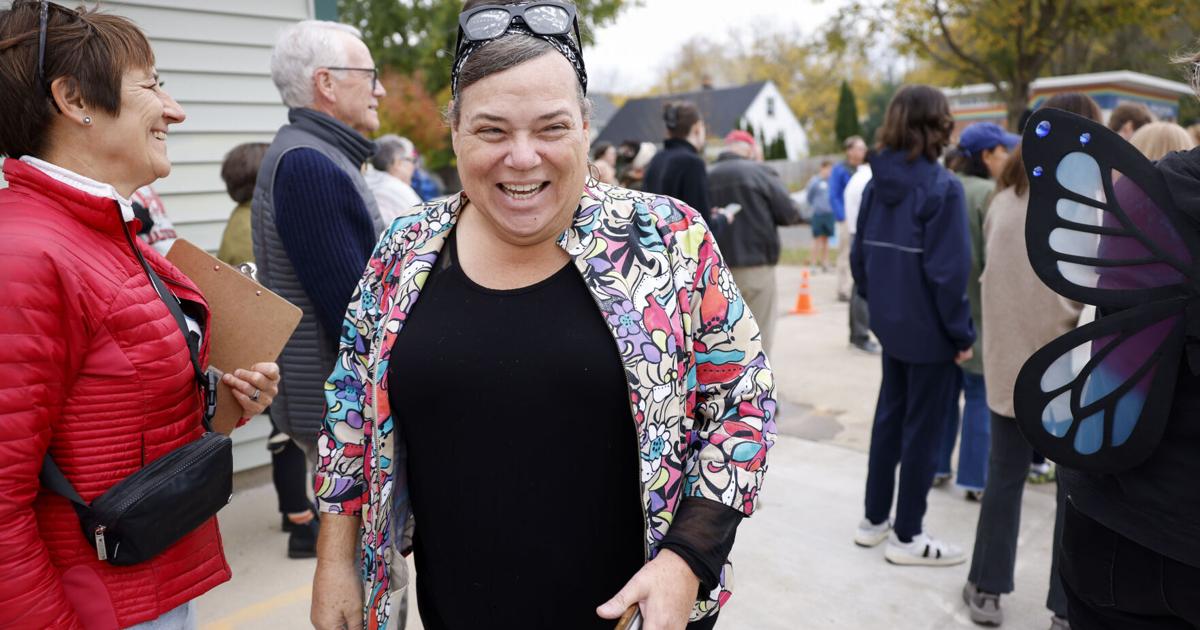
Wisconsin Elects First Transgender State Lawmaker Dina Martinez-Rutherford
Wisconsin Elects Its First Transgender Lawmaker Madison made history Tuesday night, electing Dina Nina Martinez-Rutherford as Wisconsin’s first...

WV Supreme Court upholds Charleston’s demolition of Chinese restaurant
Charleston's Demonation of Chinese Restaurant Upheld, $58K Judgment Stands Charleston can keep the money. The West Virginia Supreme...
Construction Underway on South Burlington Walk-Bike Bridge Over I-89
A $27 Million Lifeline Takes Shape: Walk-Bike Bridge Rises Over I-89 After decades of crossing a dangerous and...